
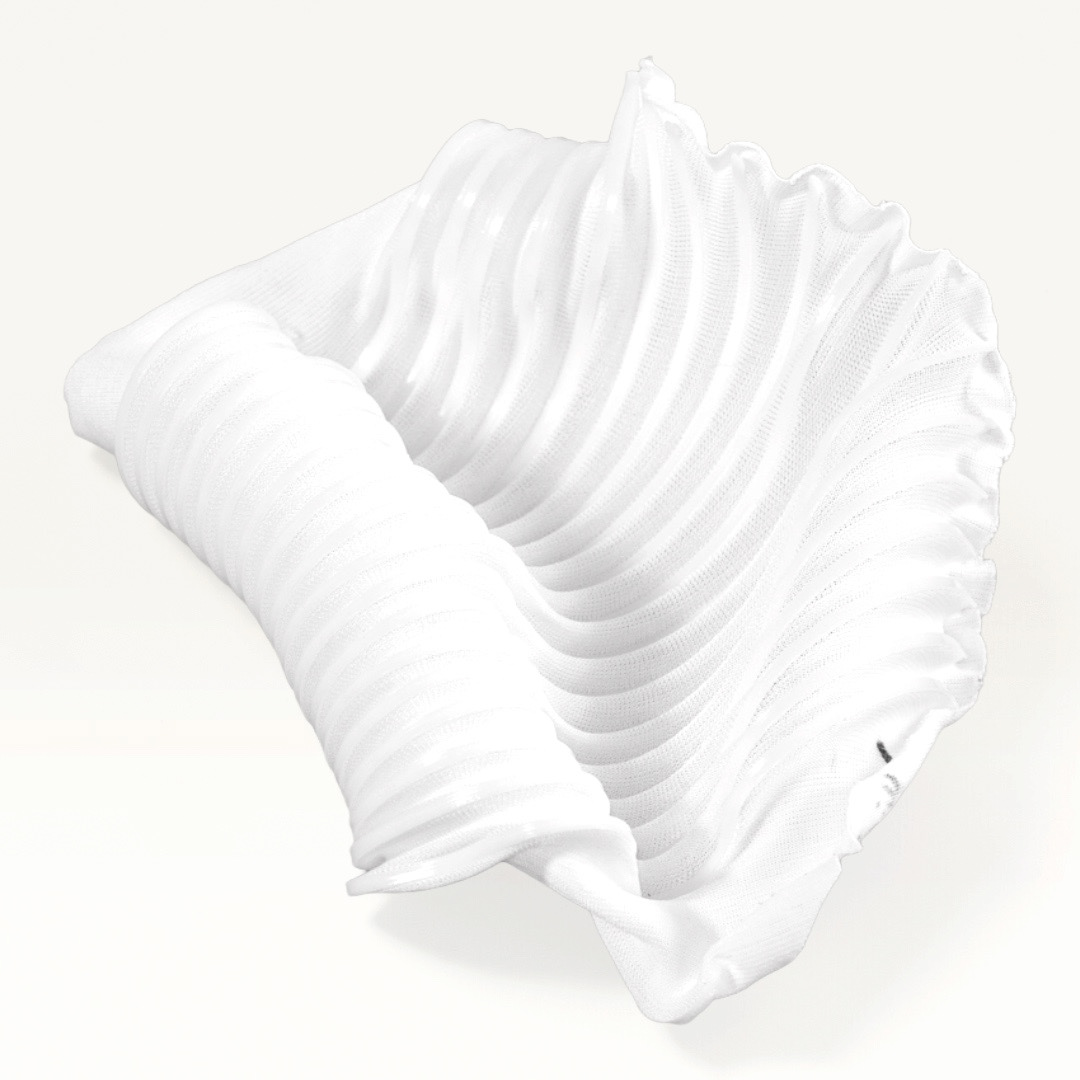
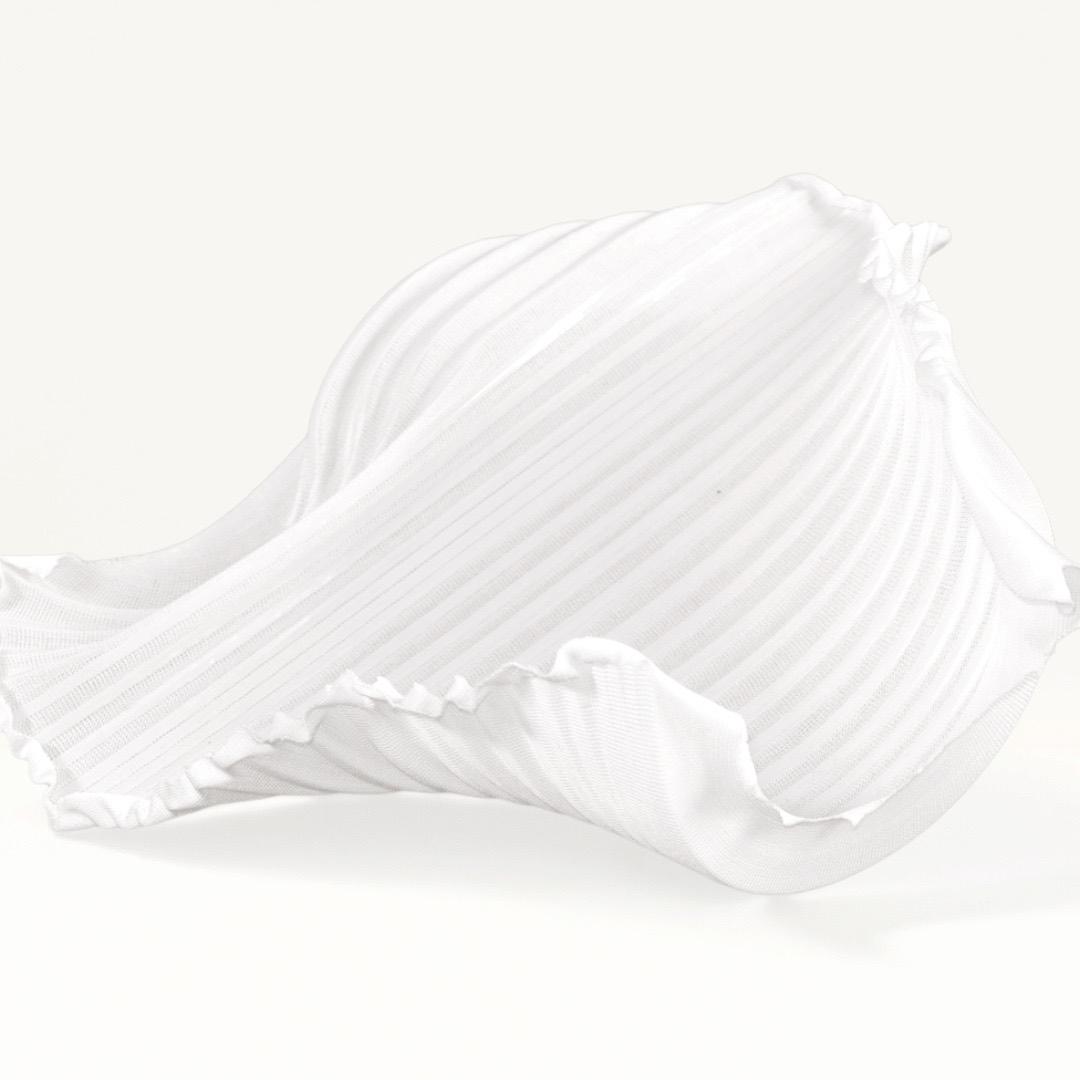
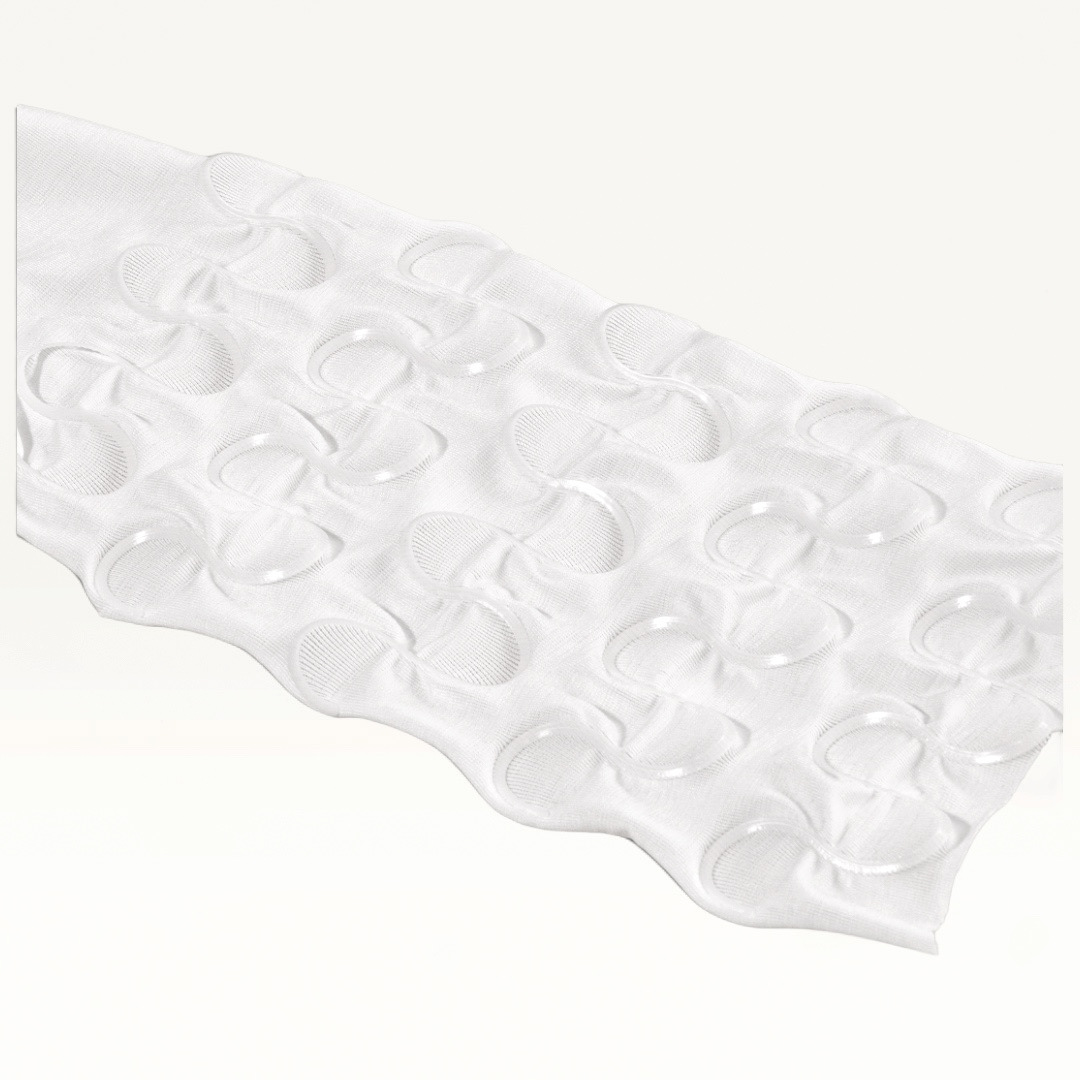
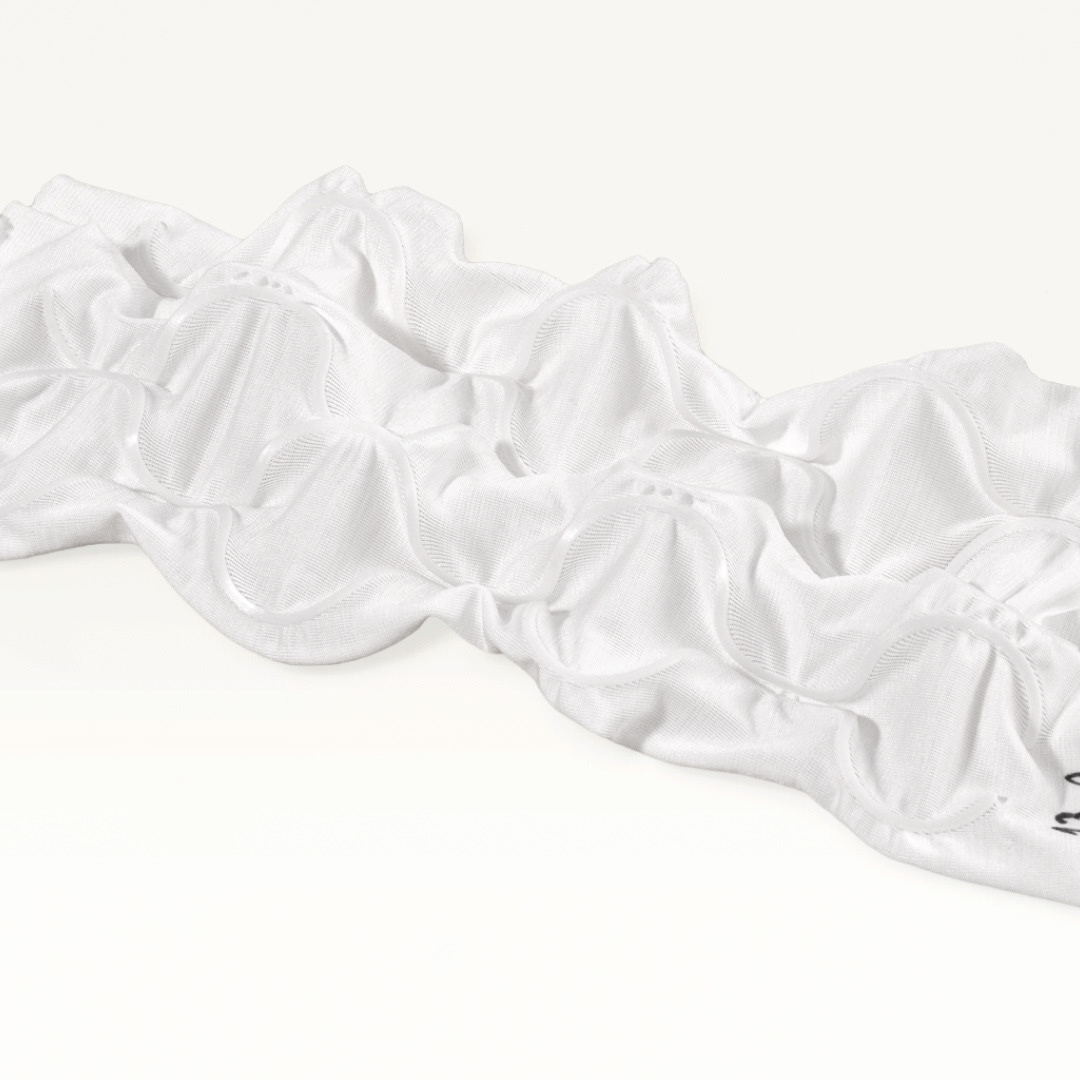
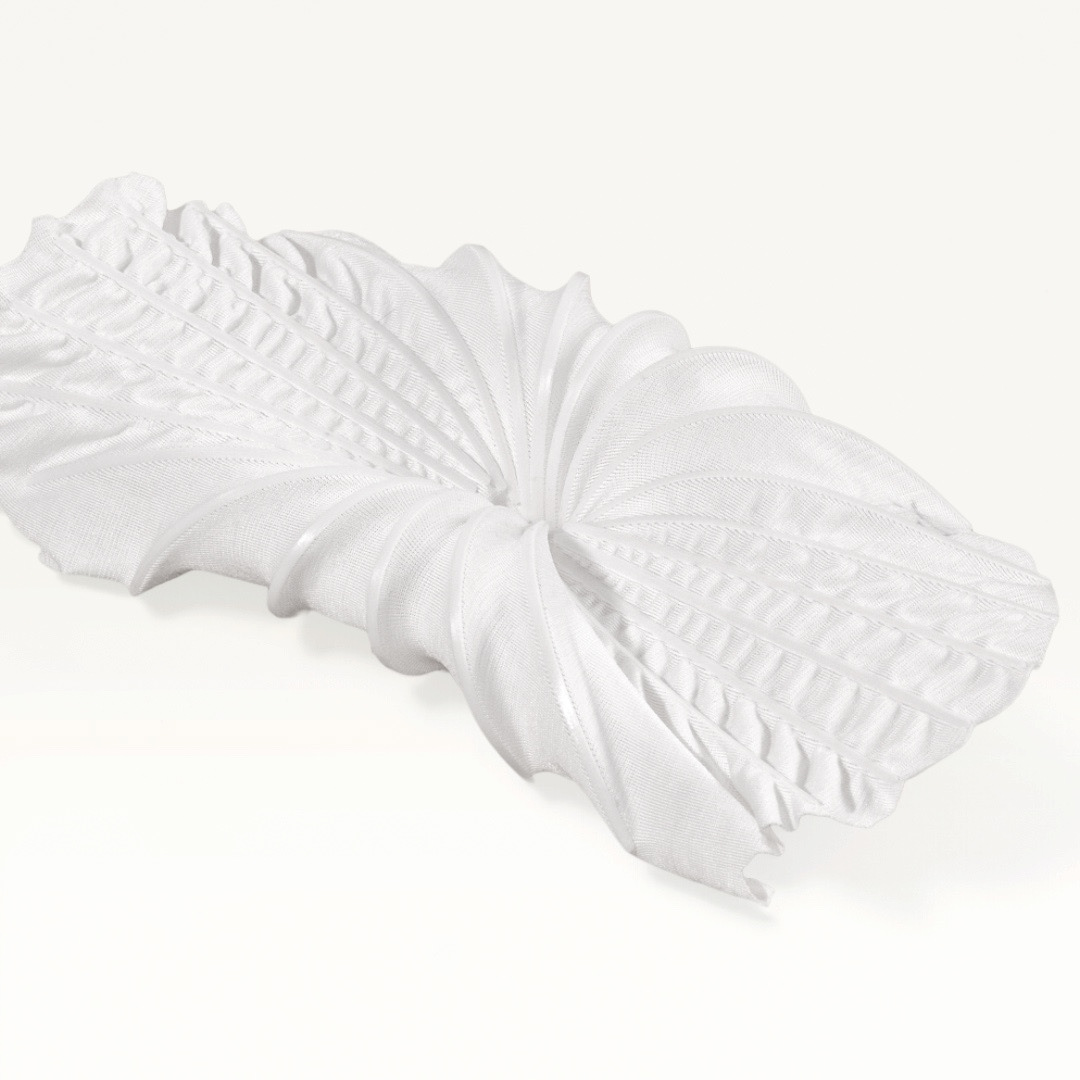
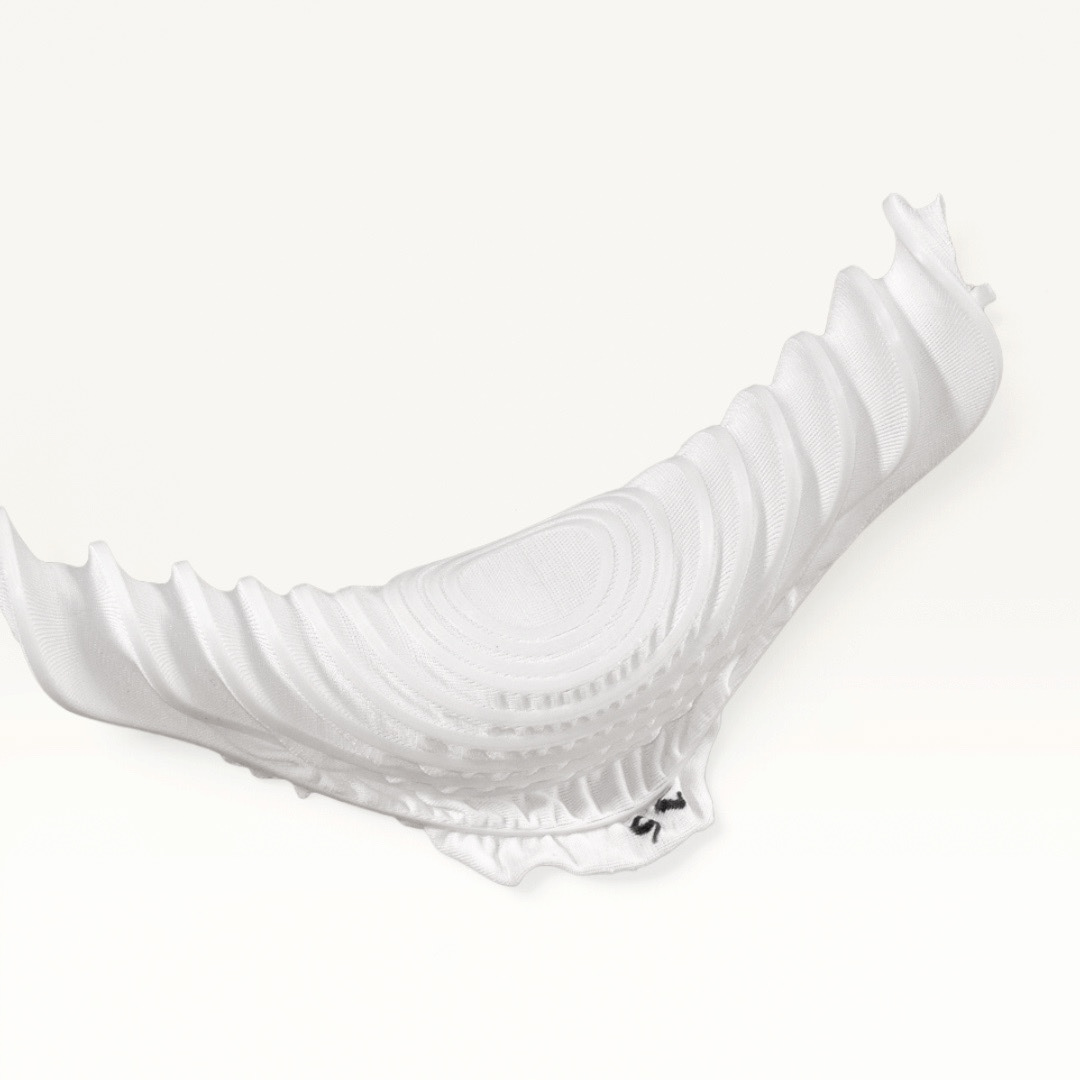
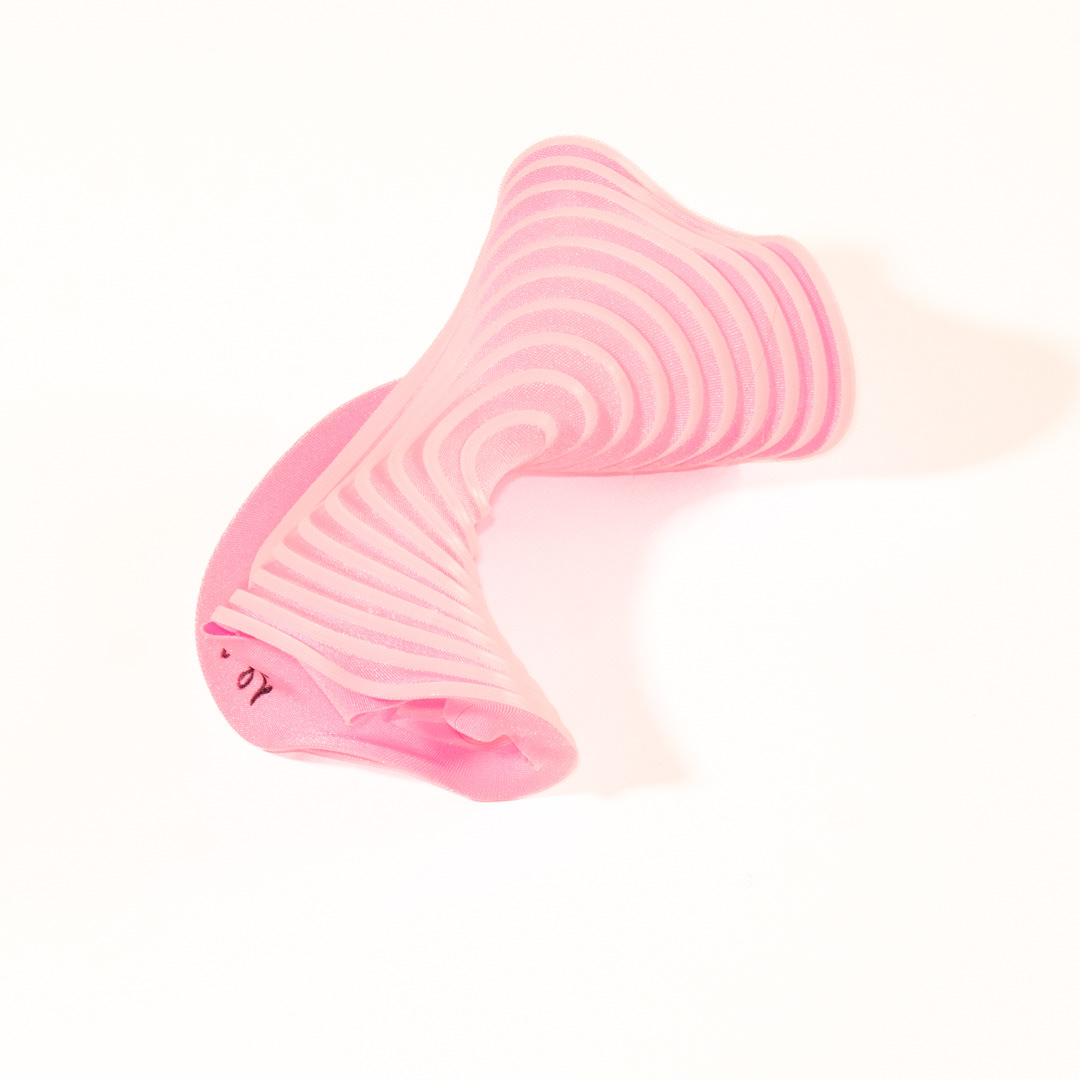
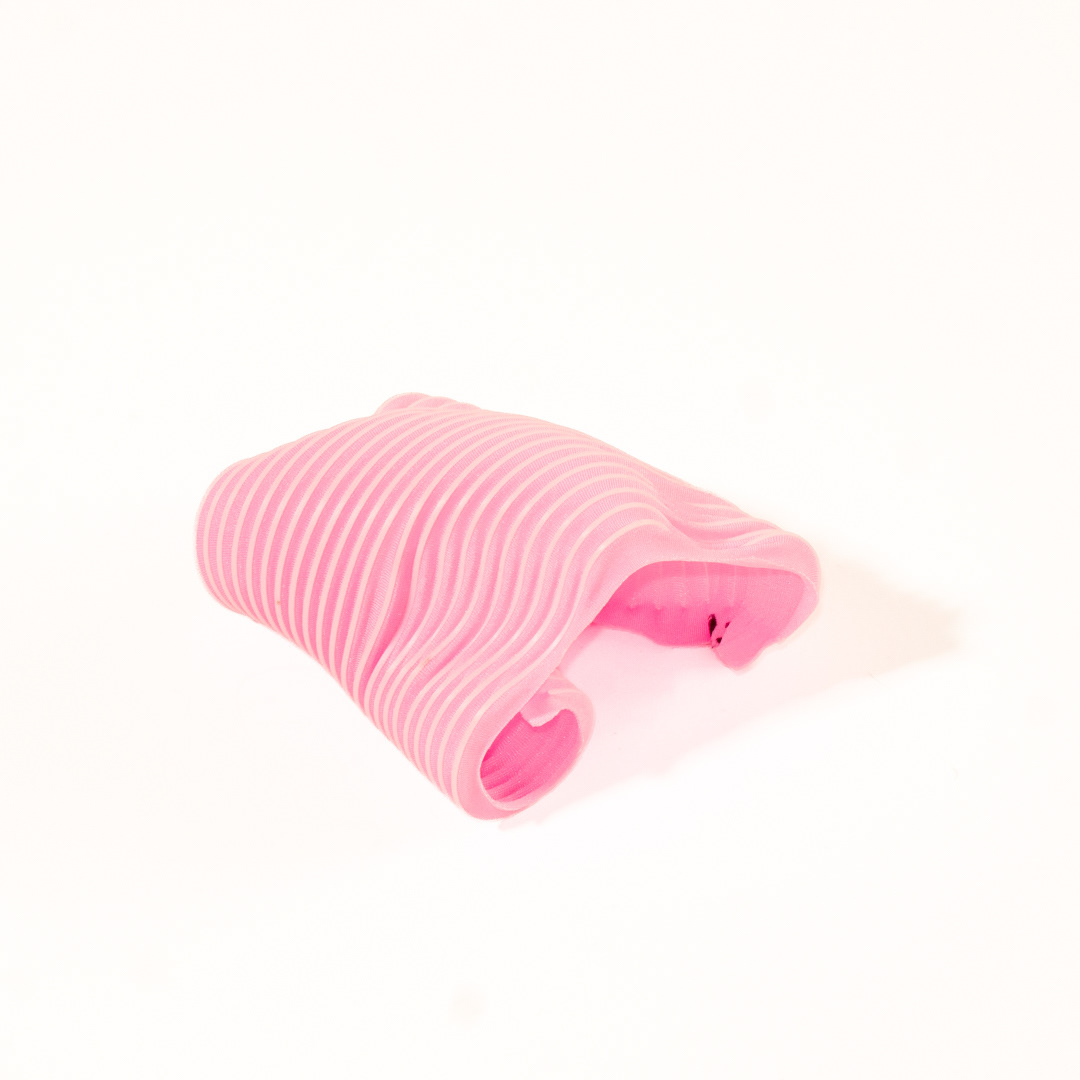
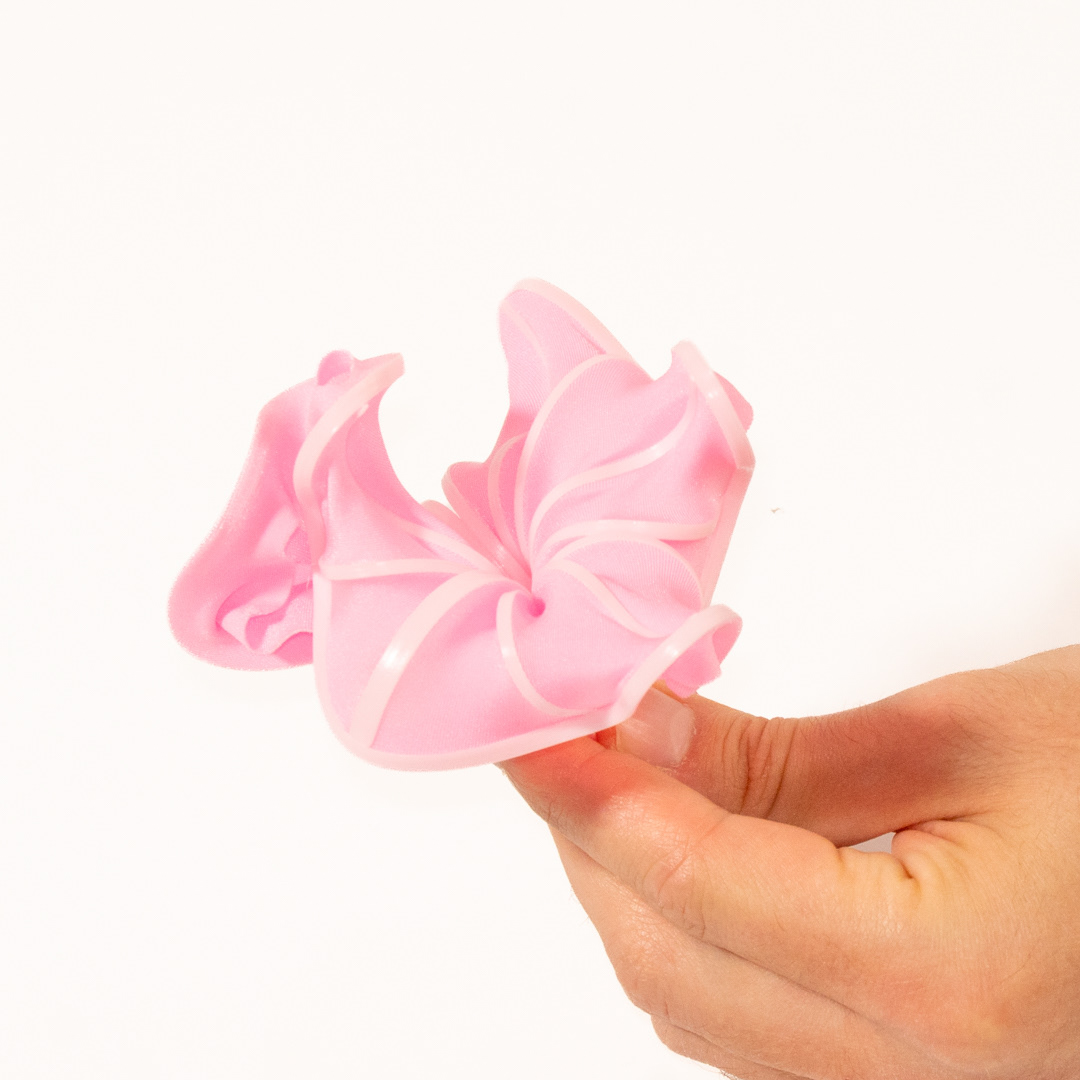
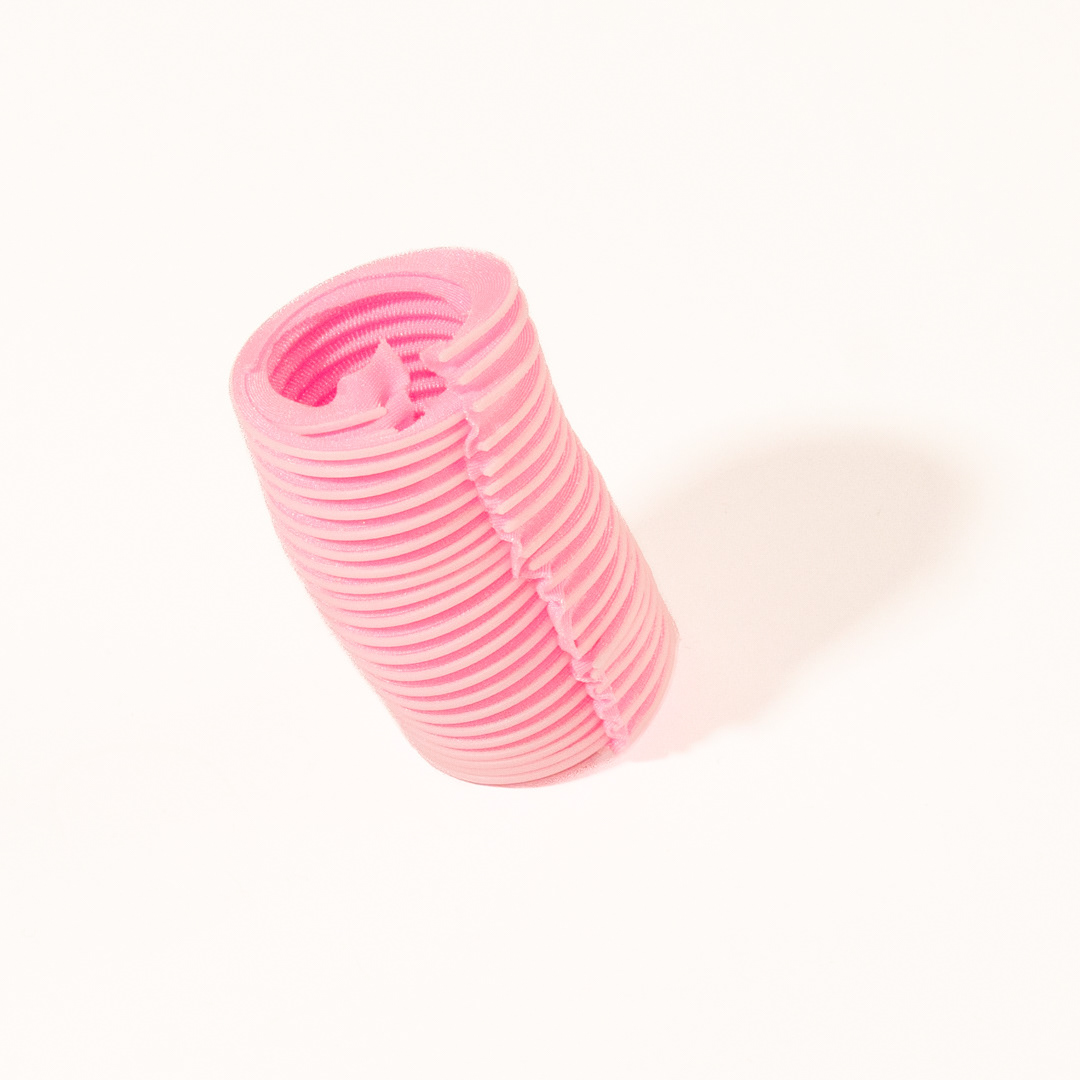
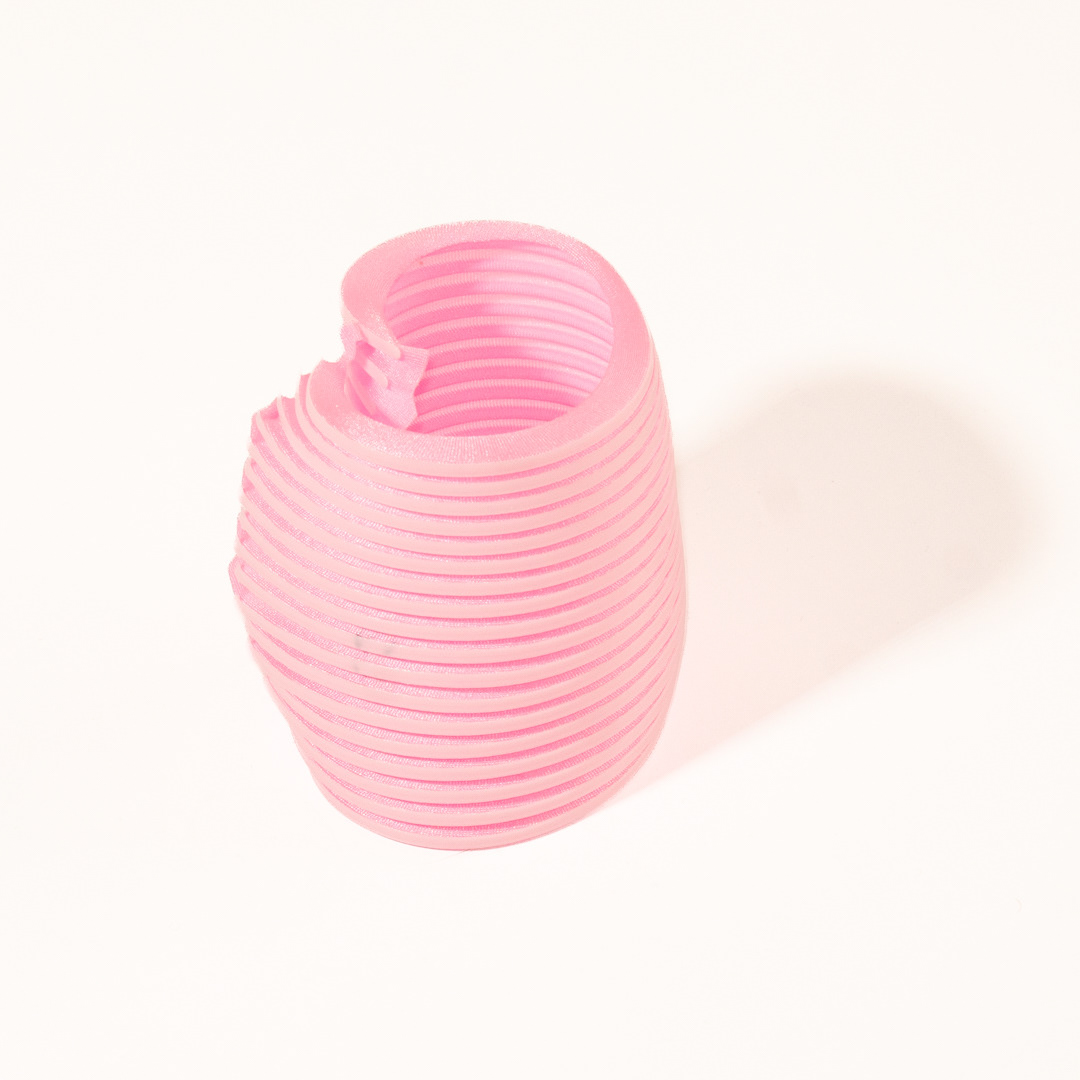
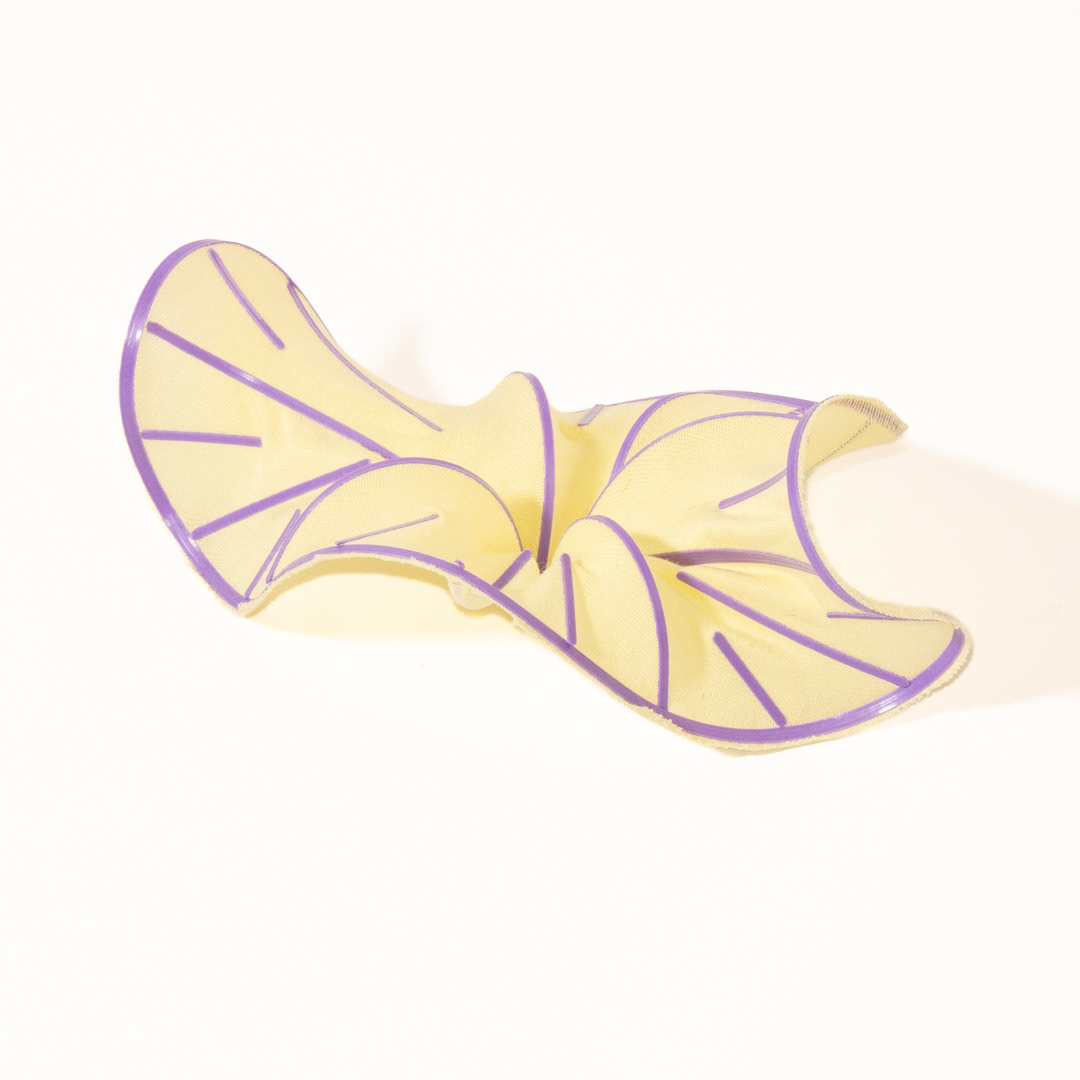
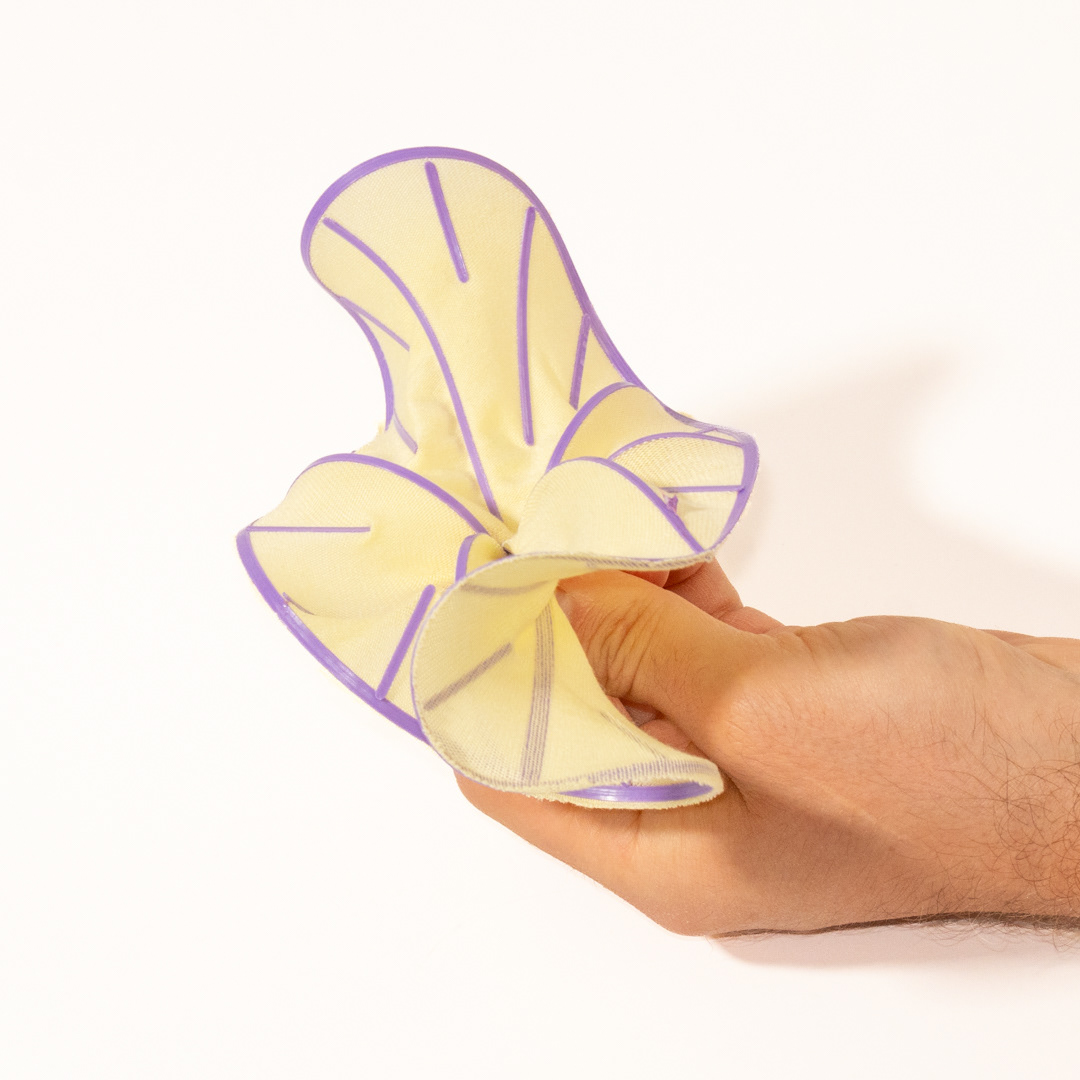
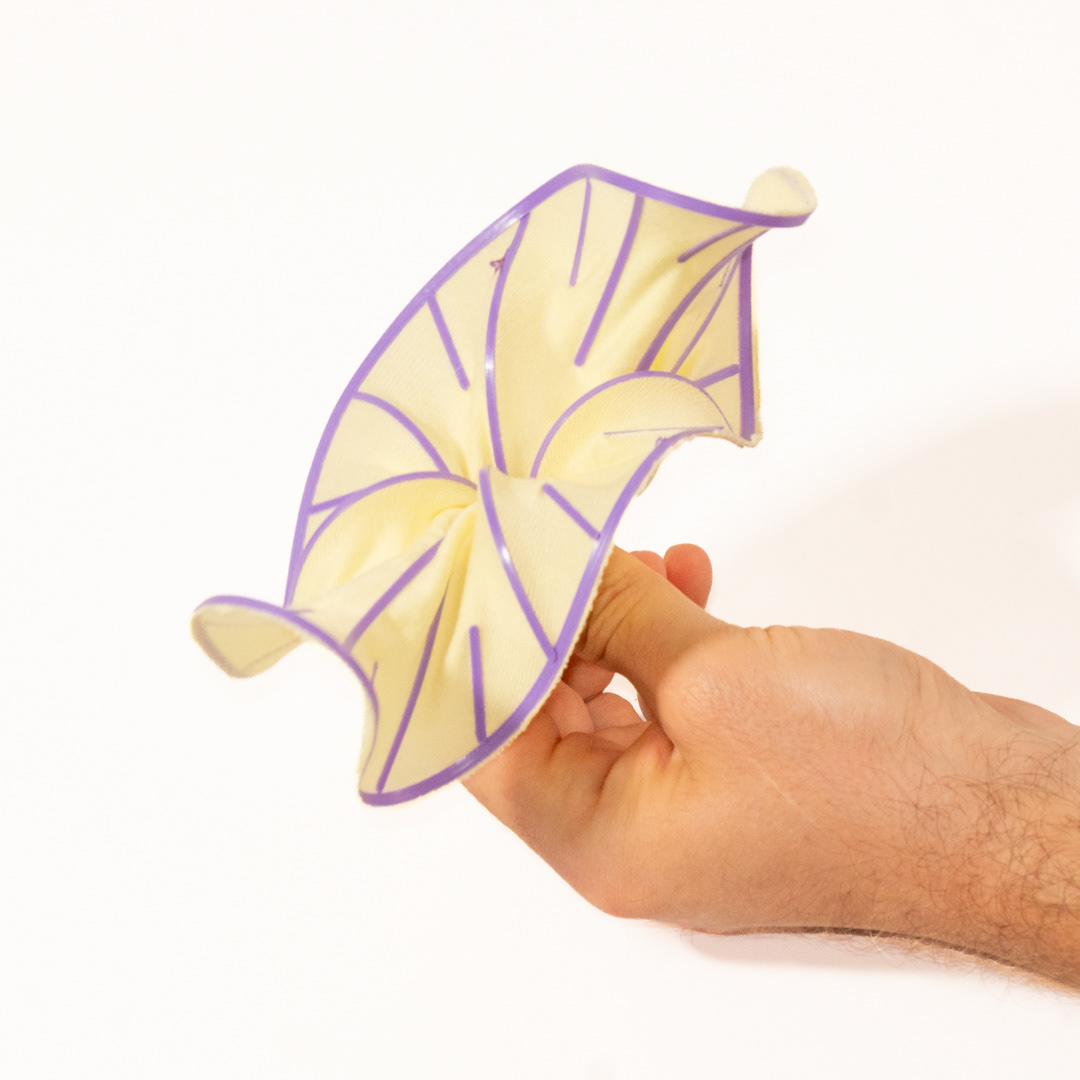
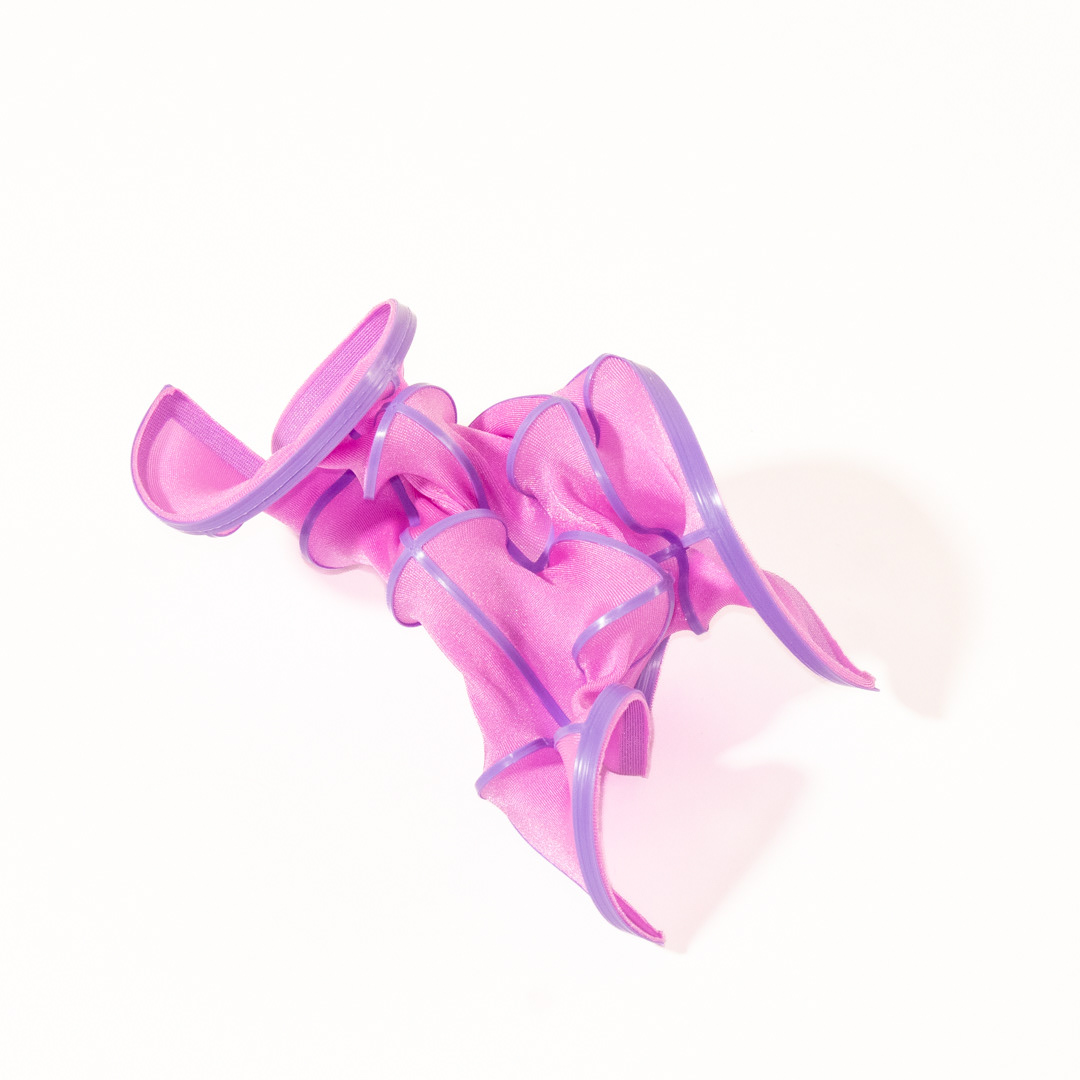
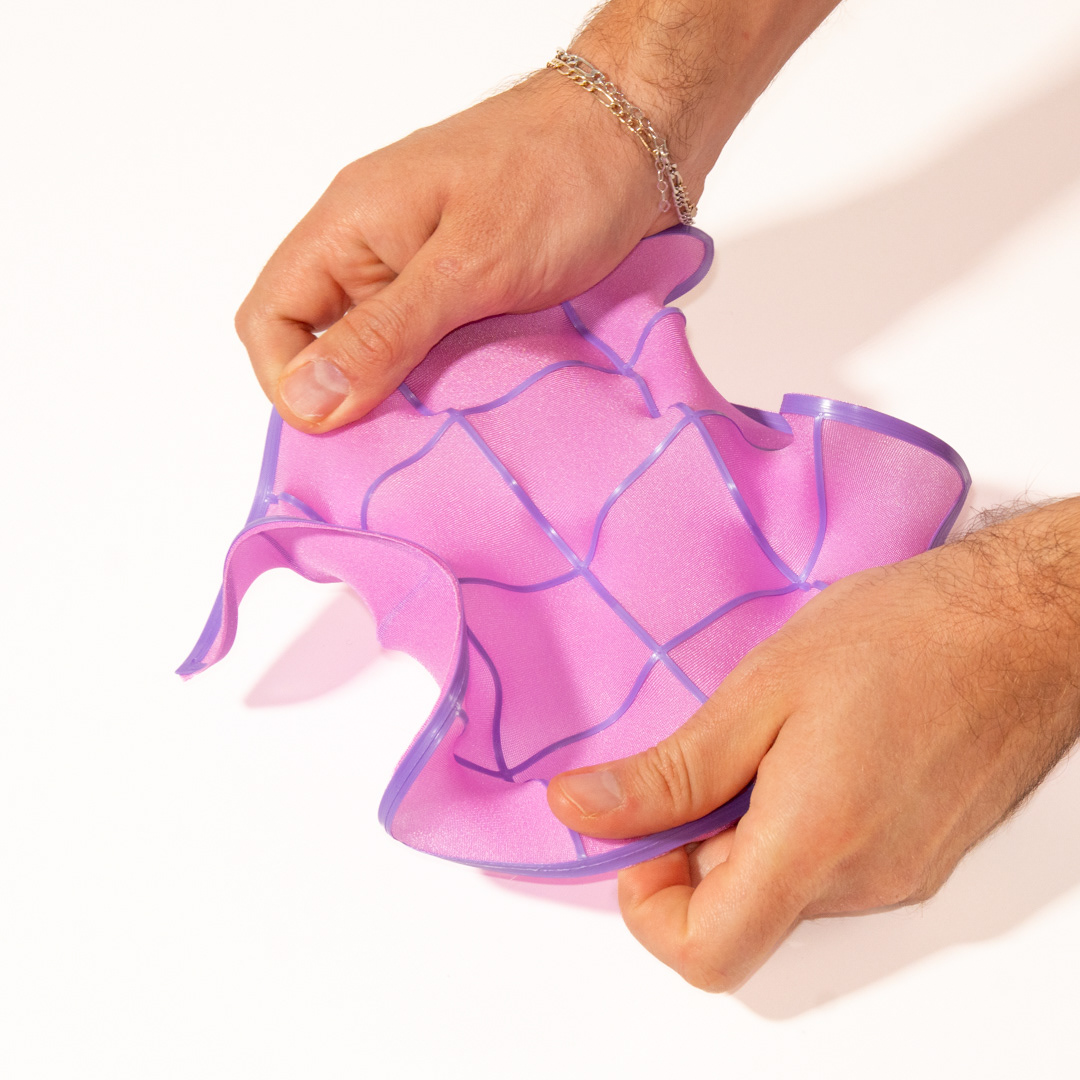
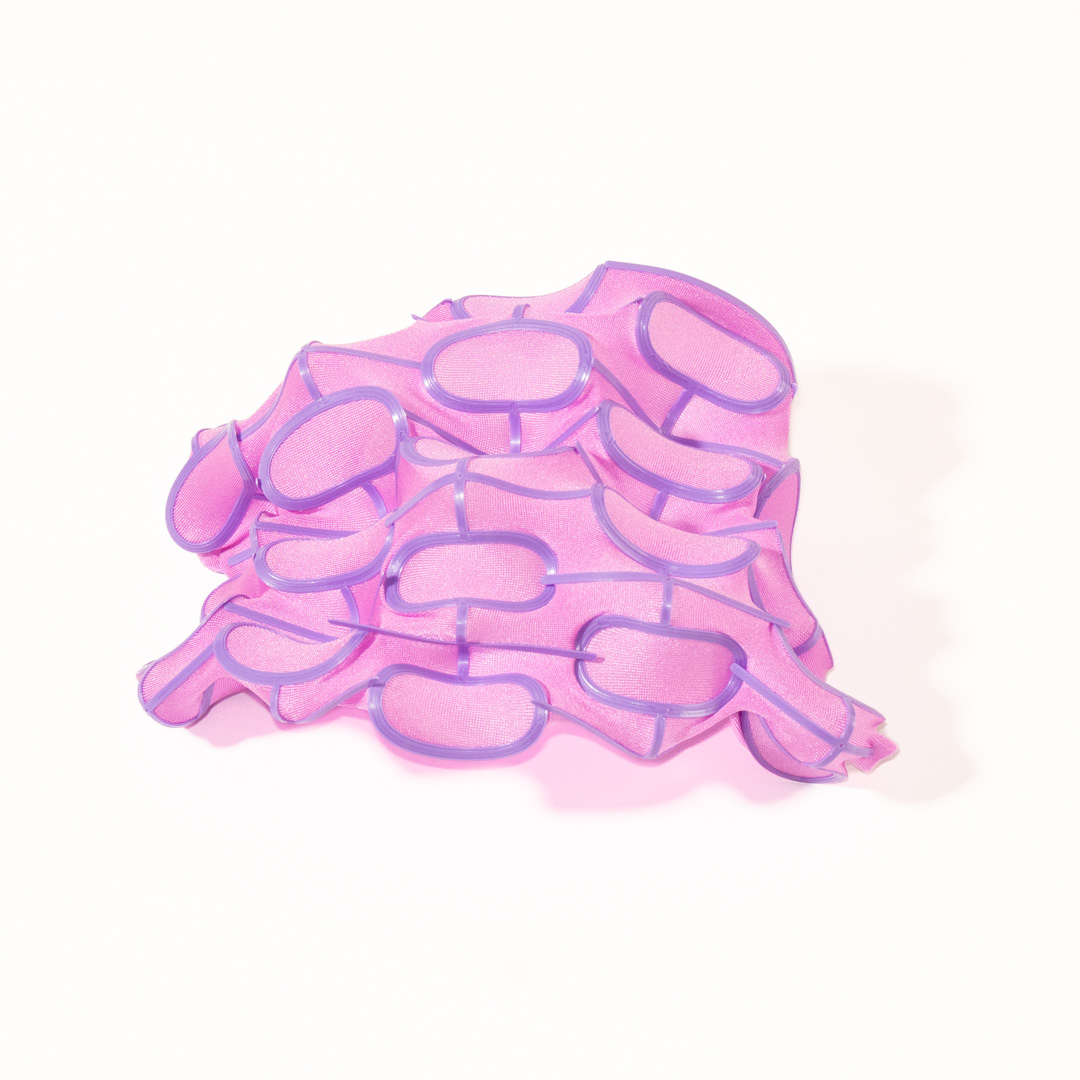
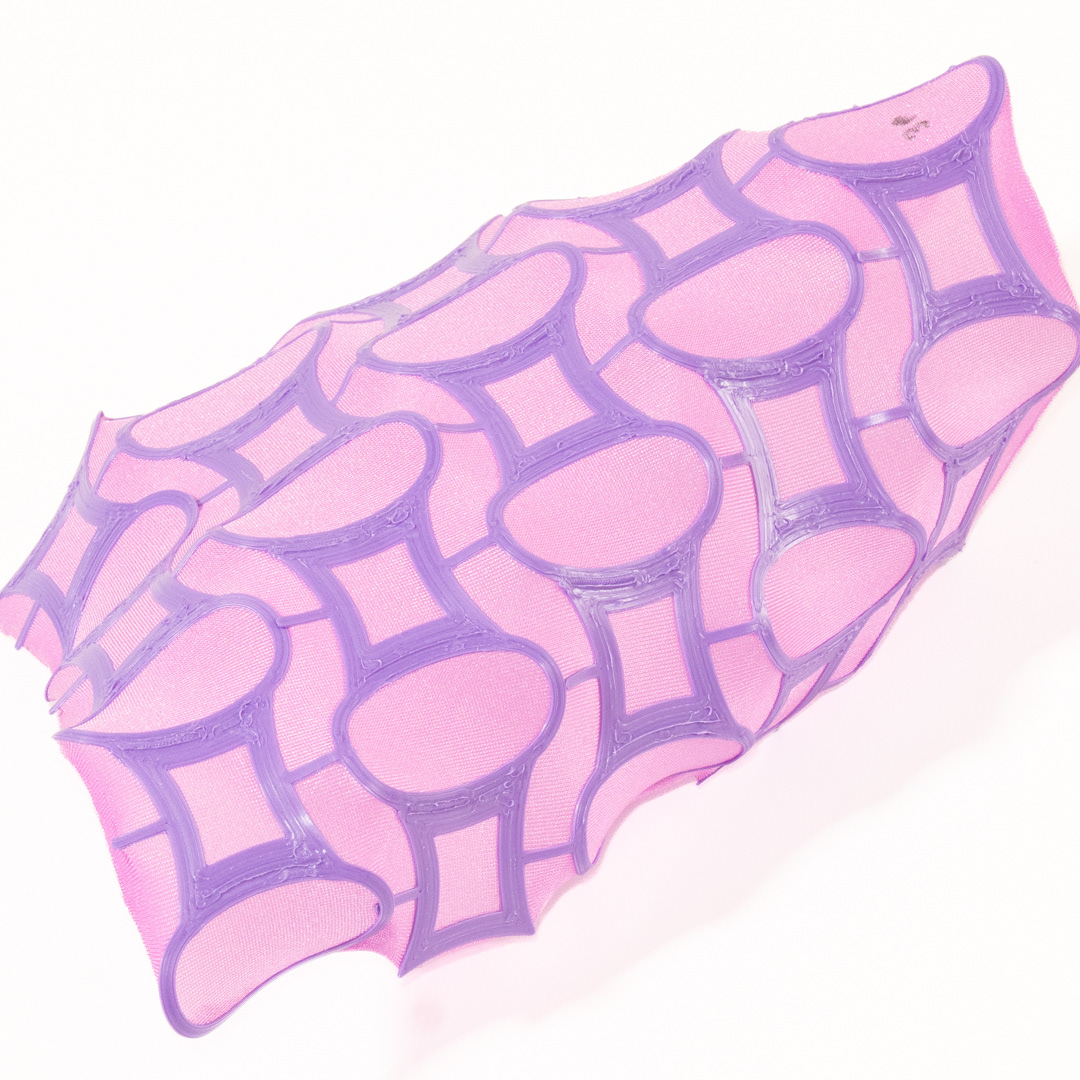
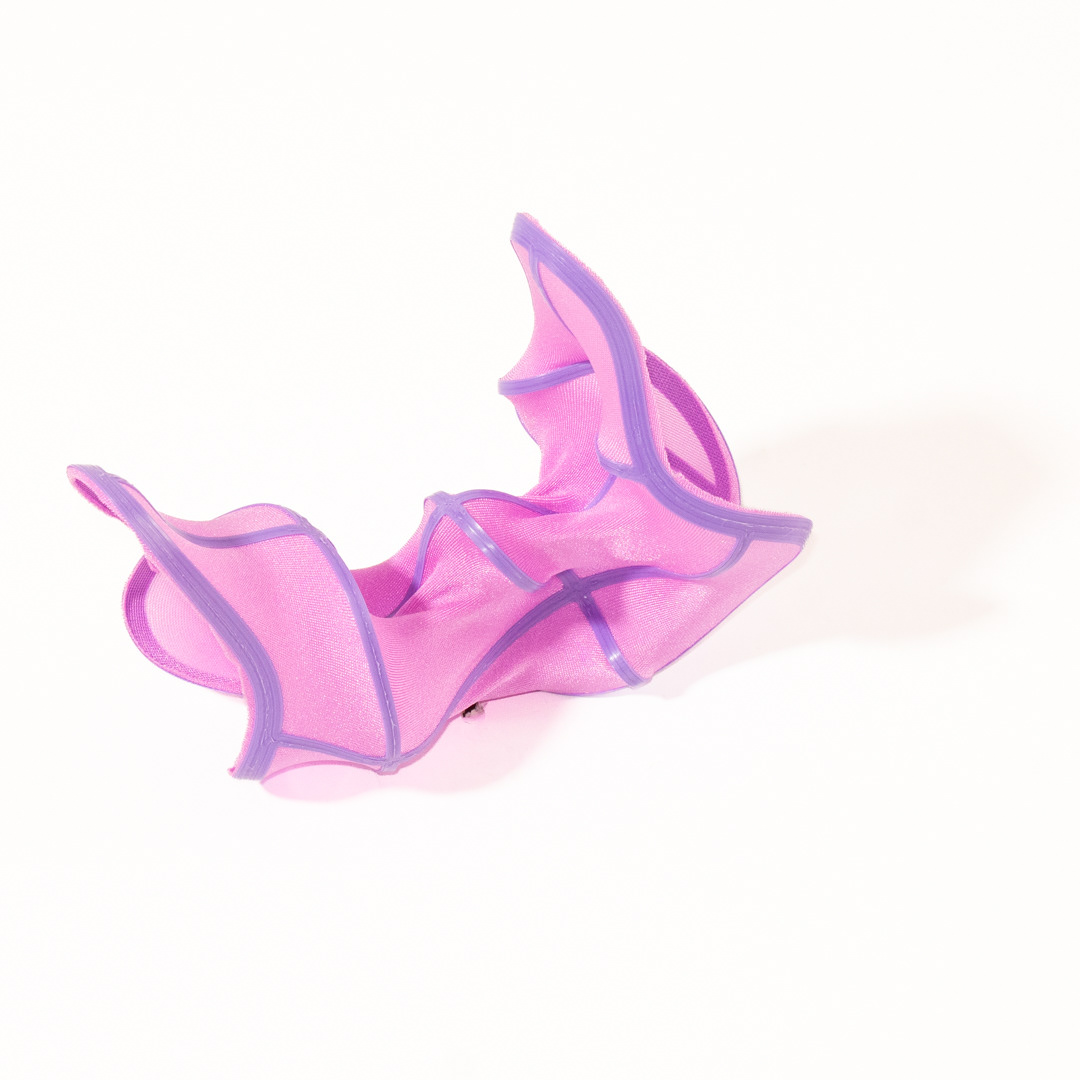
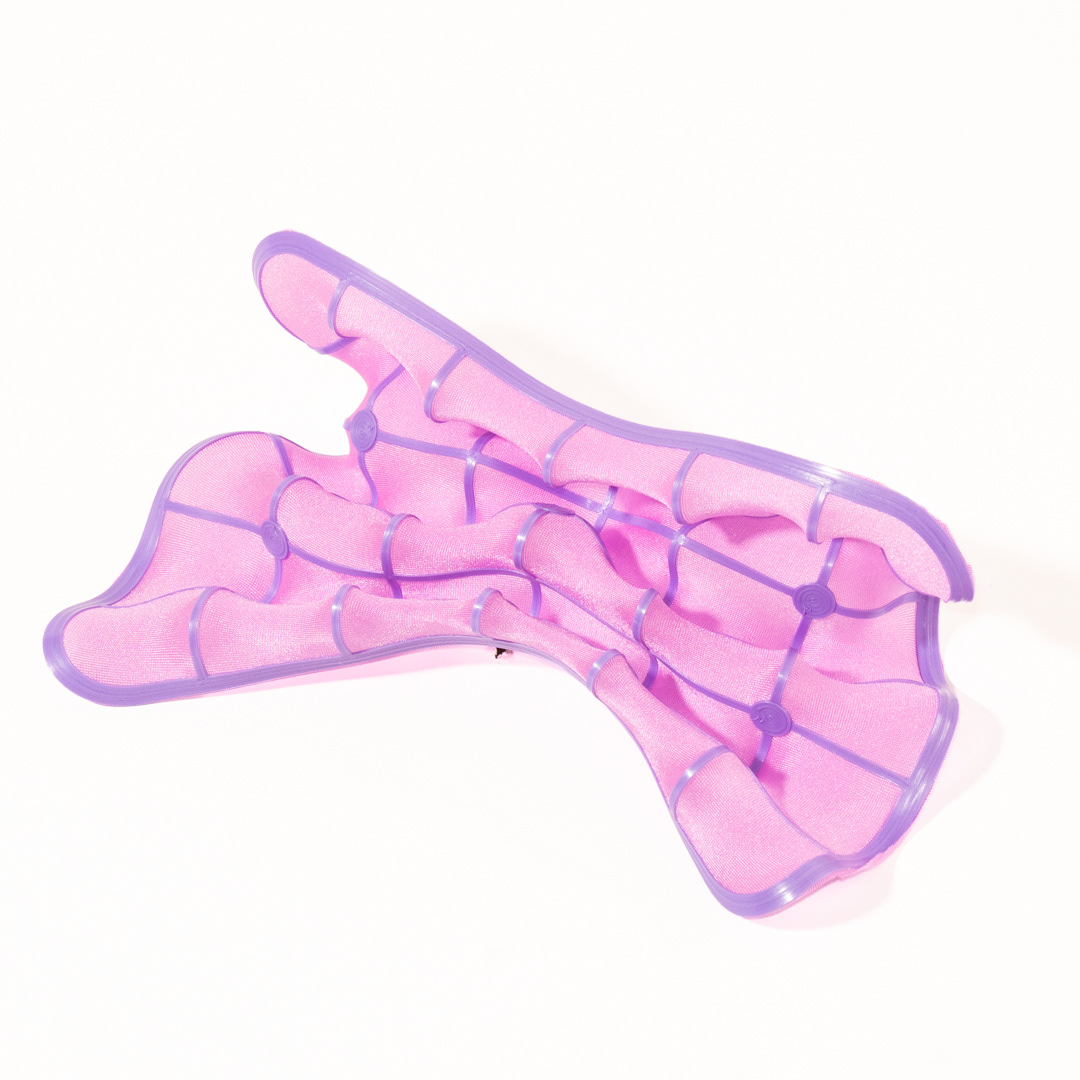
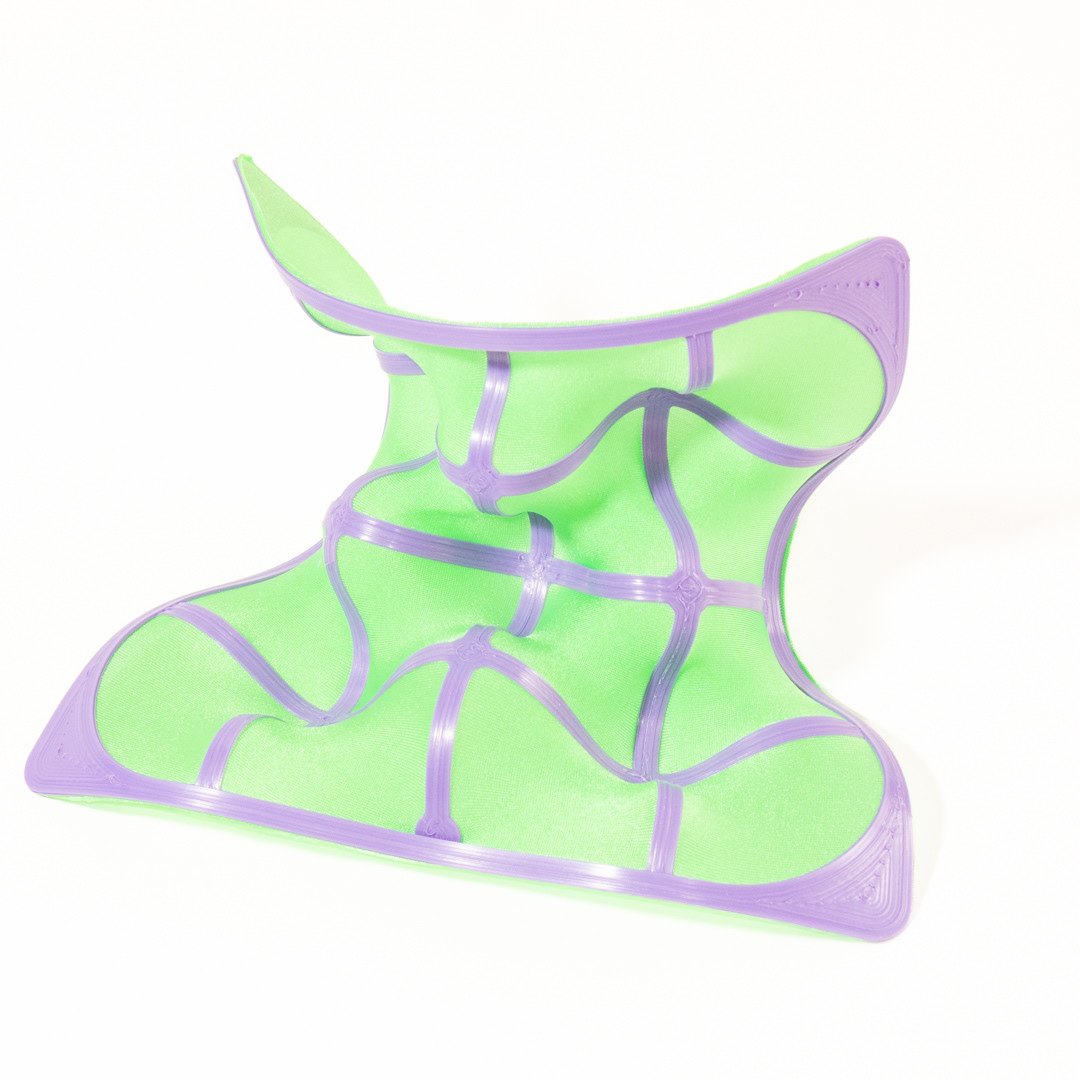
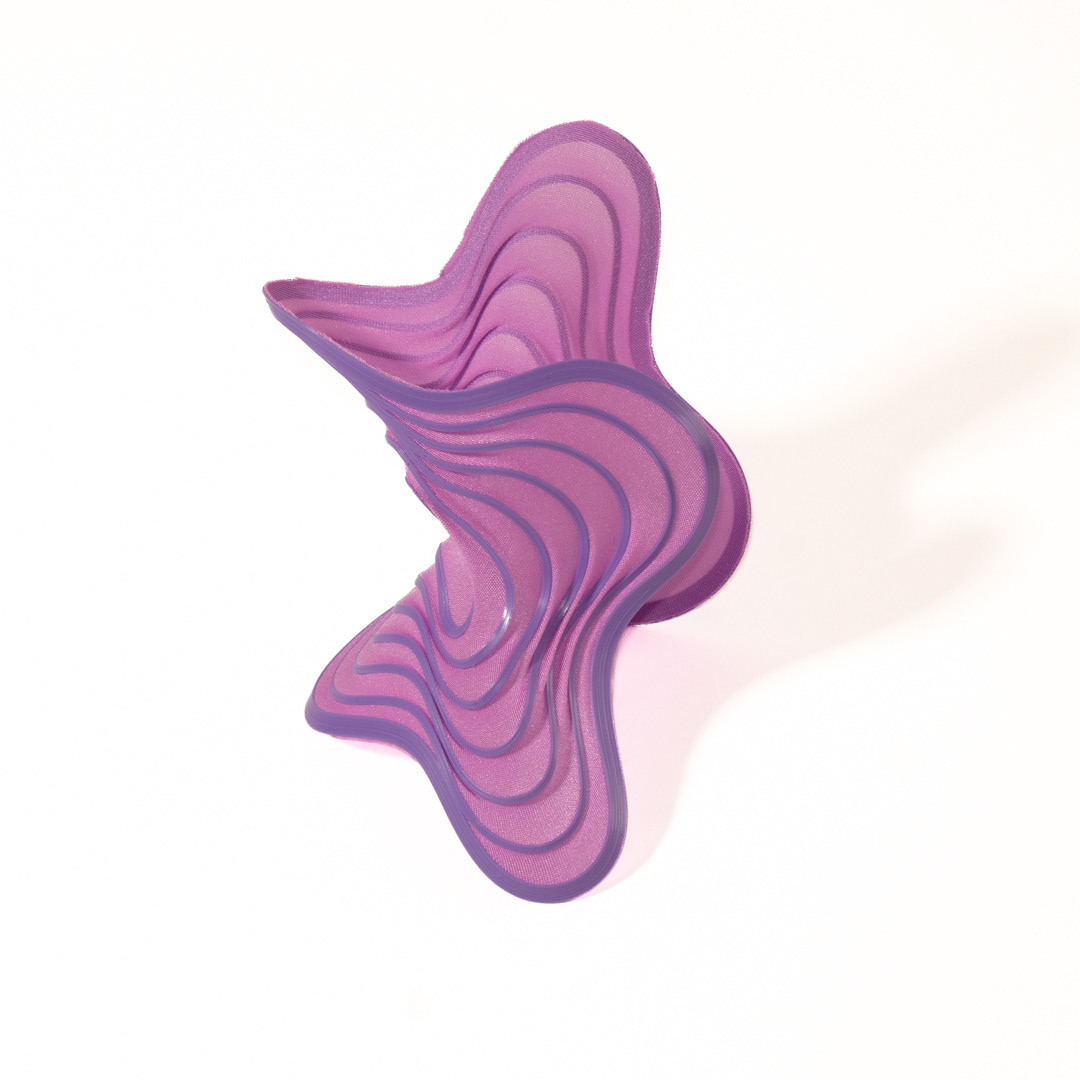
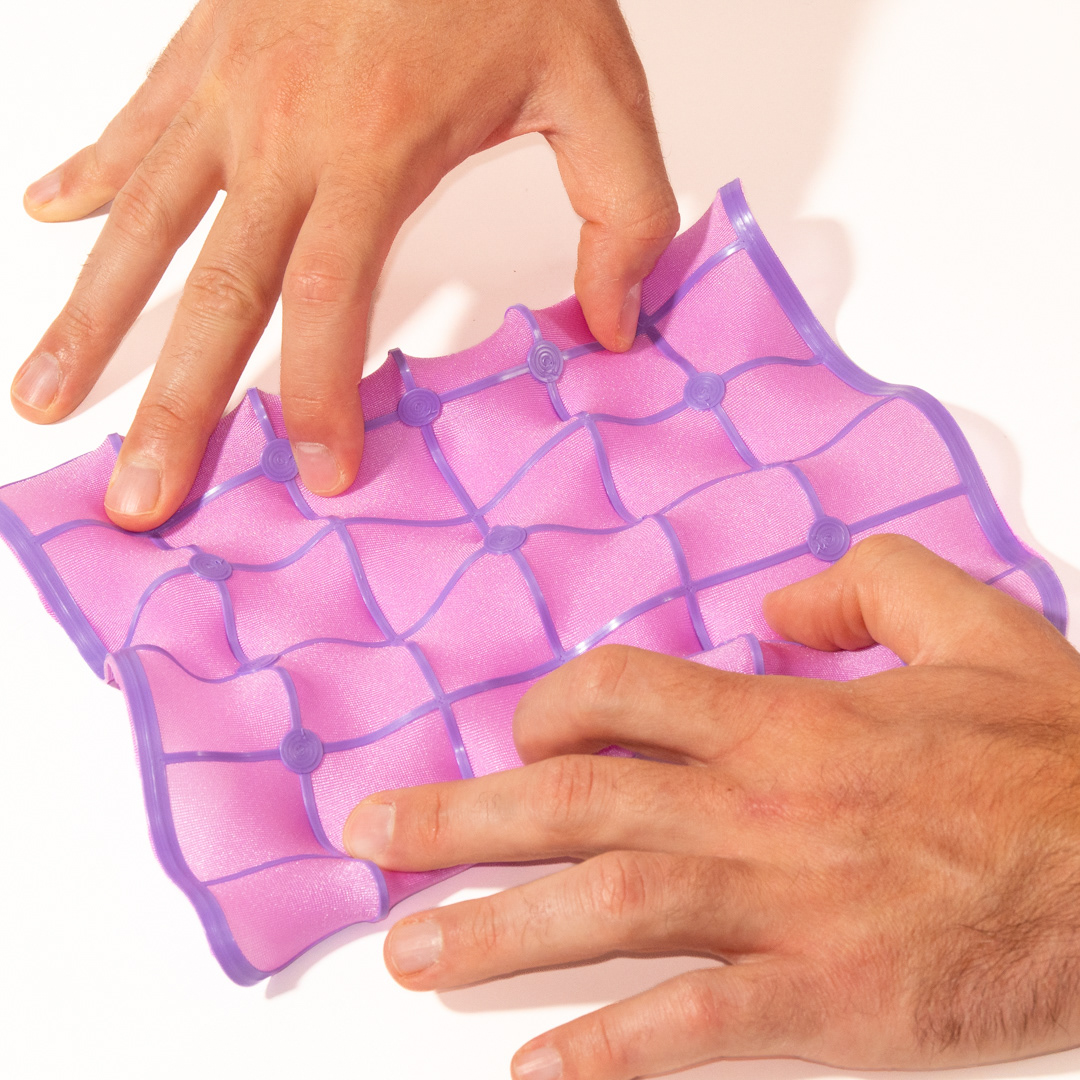
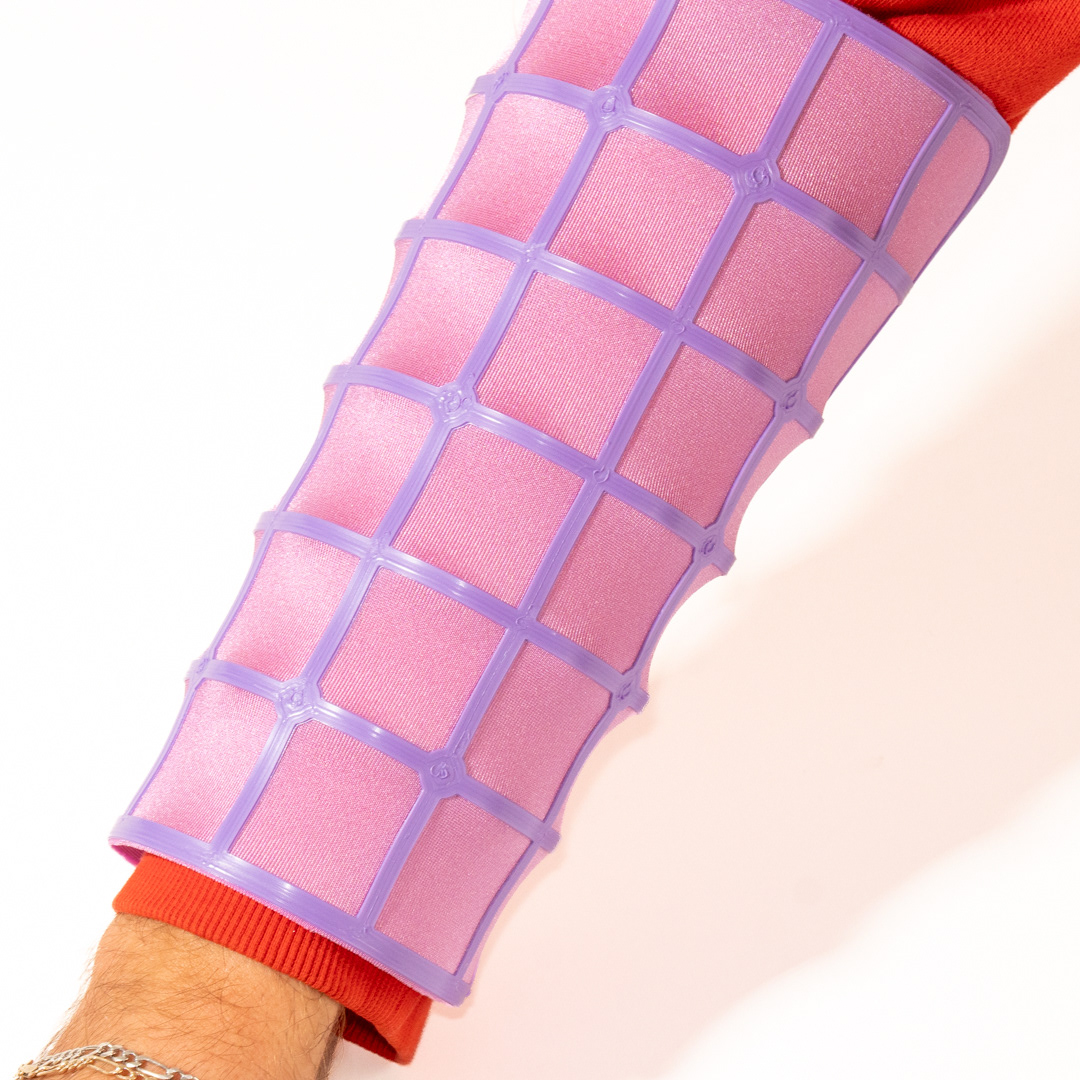
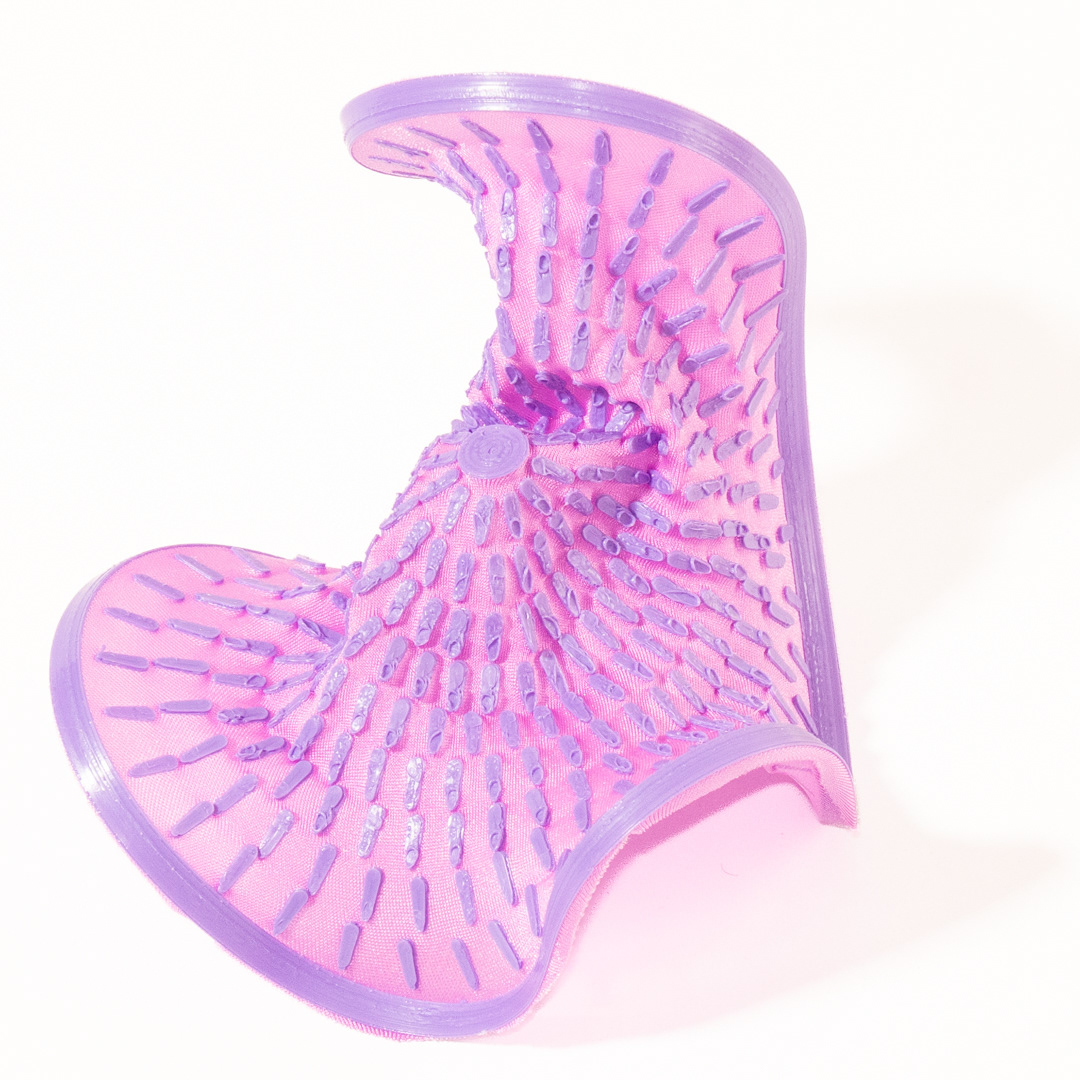
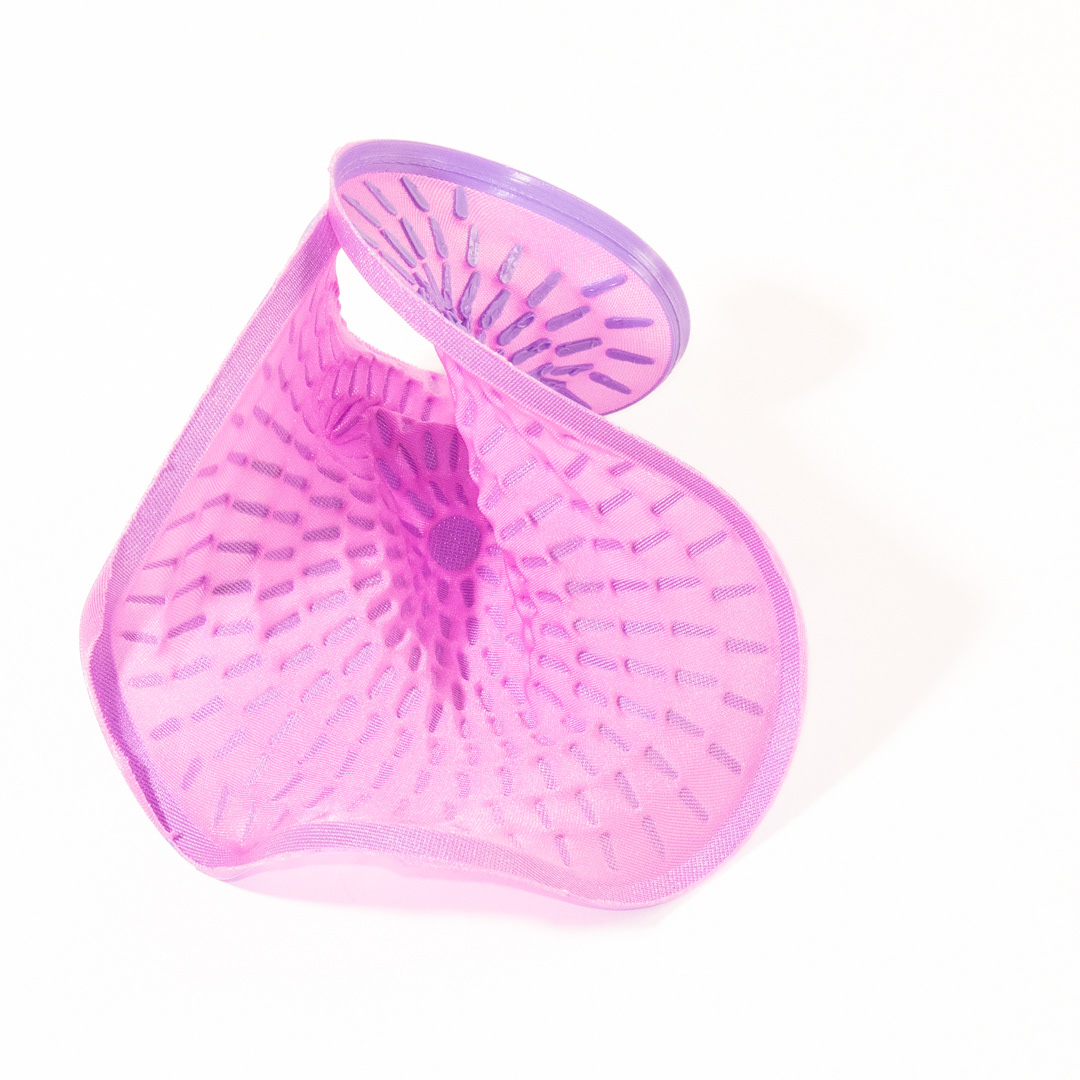
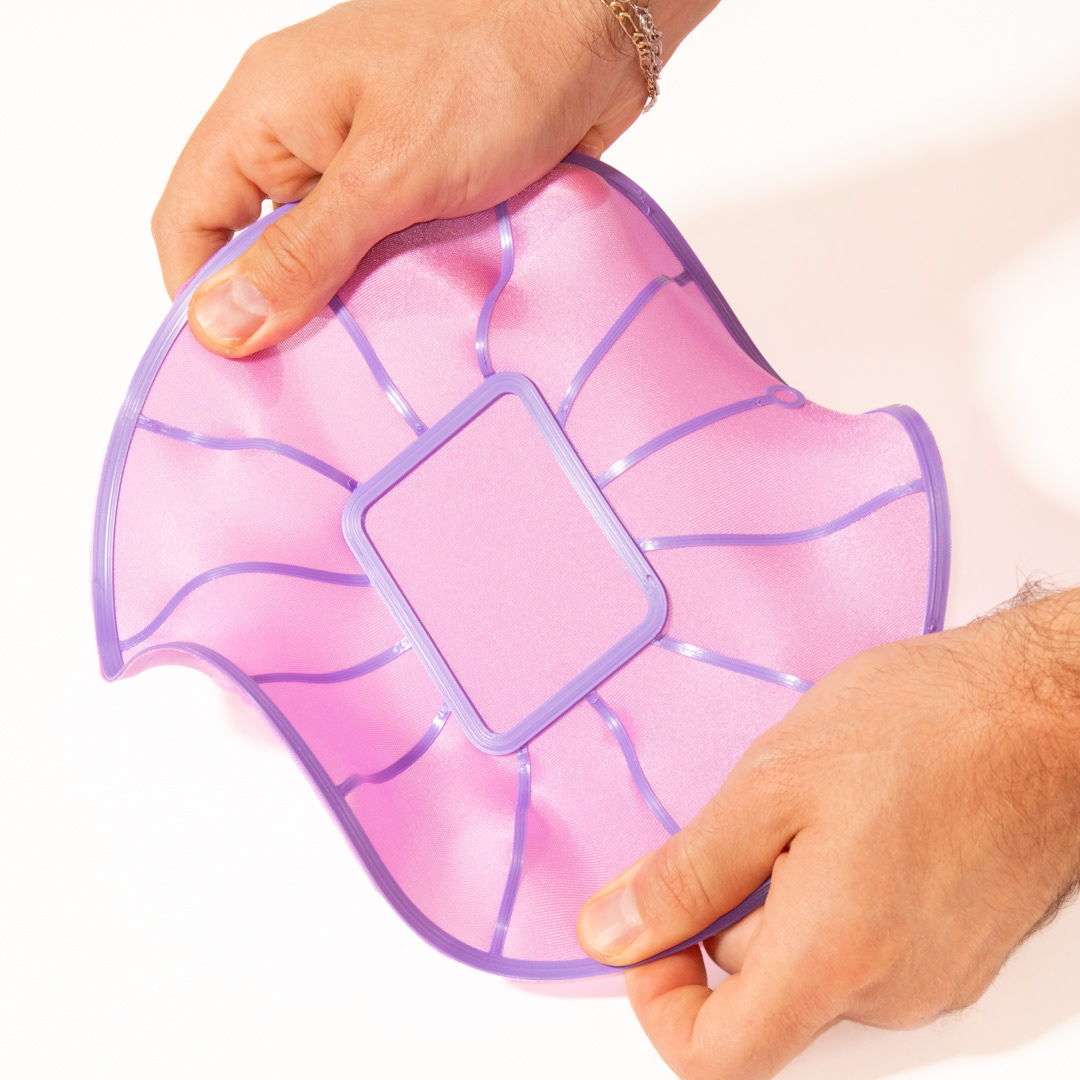
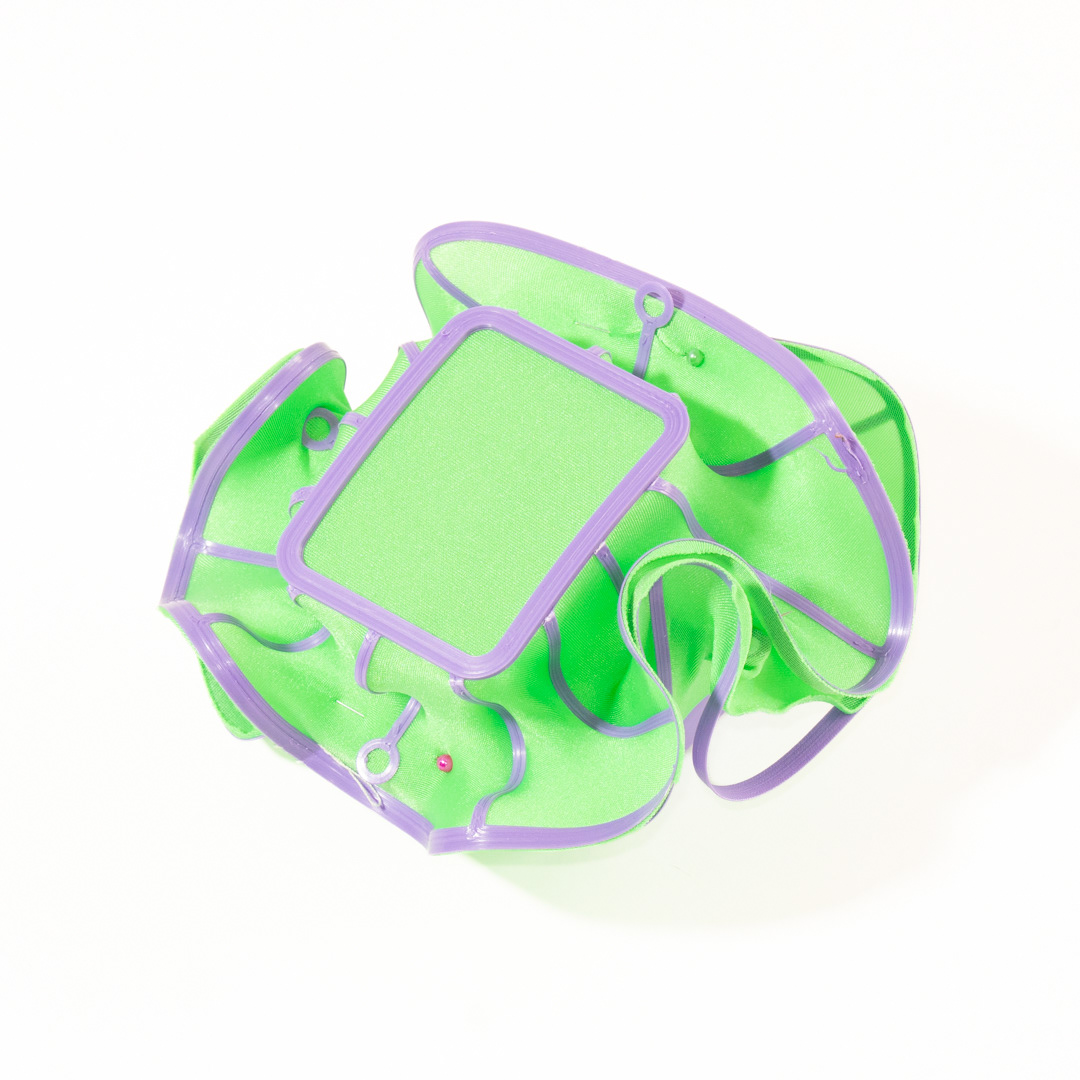
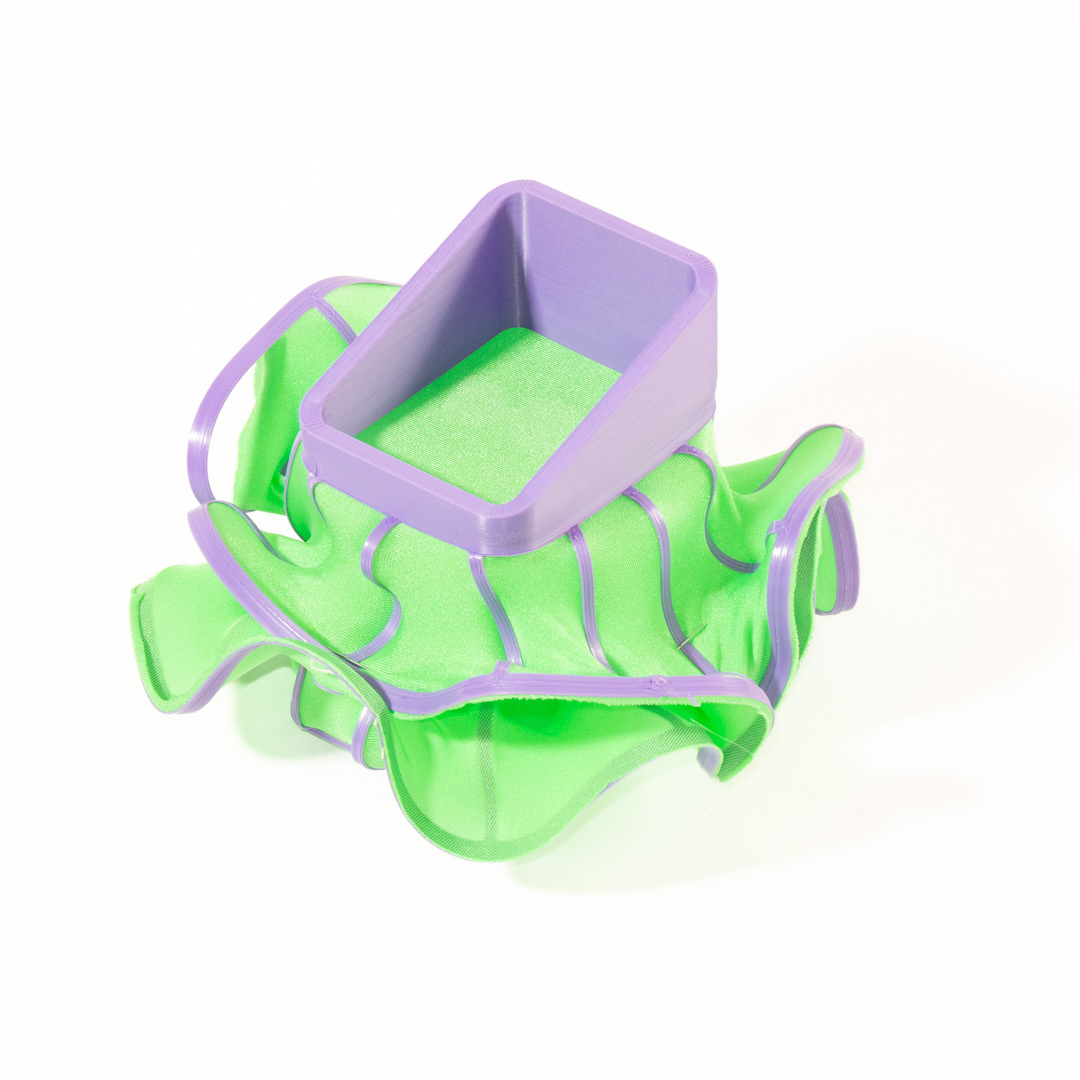
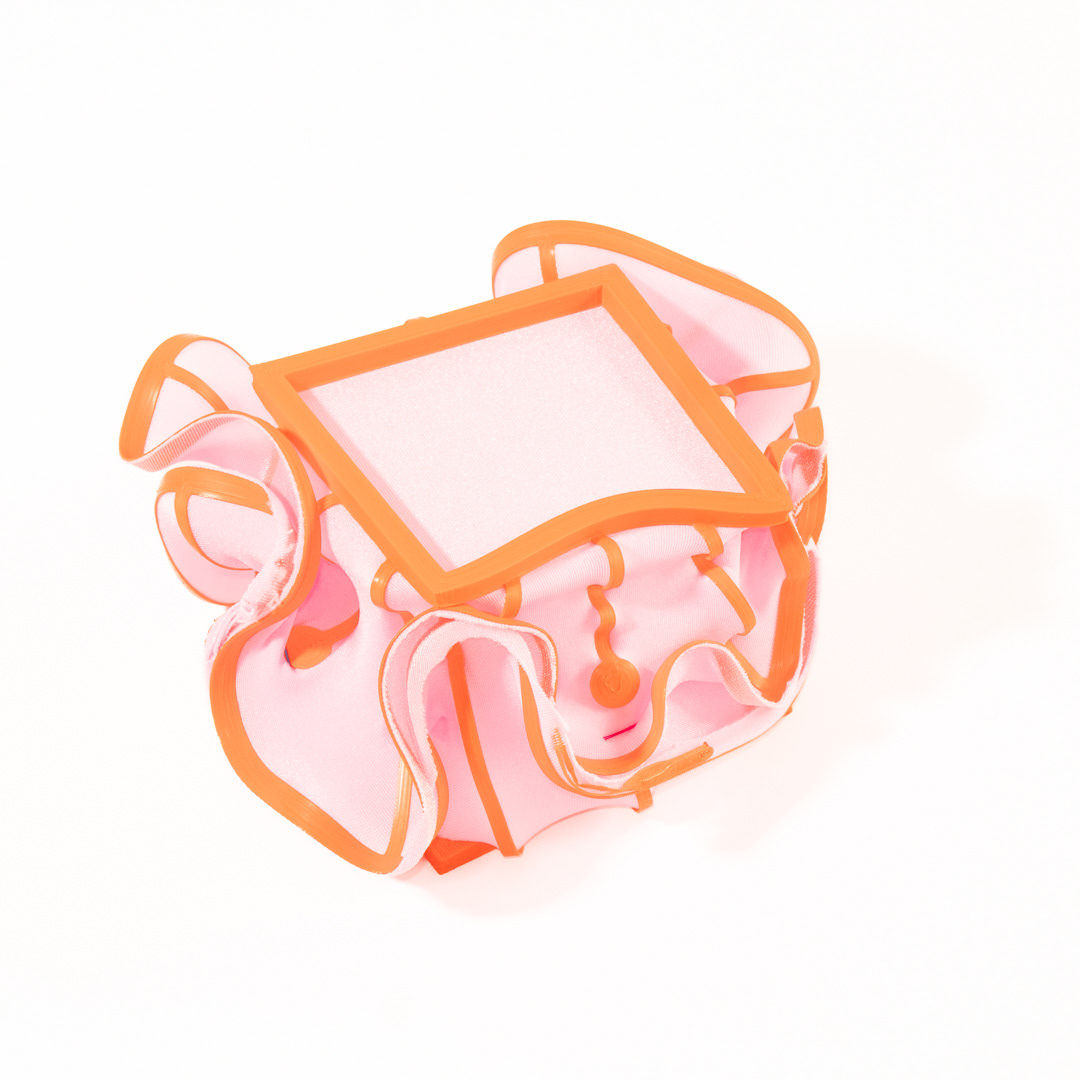
The Snailzz pieces are based on snails and sea slugs, which are soft and change shape as they move. Plastic, metal and wood are rigid, they hold the shape they are made in; fabric is soft and organic, combined with a printed structure, it gives a rigid object a soft, dynamic quality, using nothing but the tension already stored in the stretched cloth.
The aim is to use this in everyday objects.




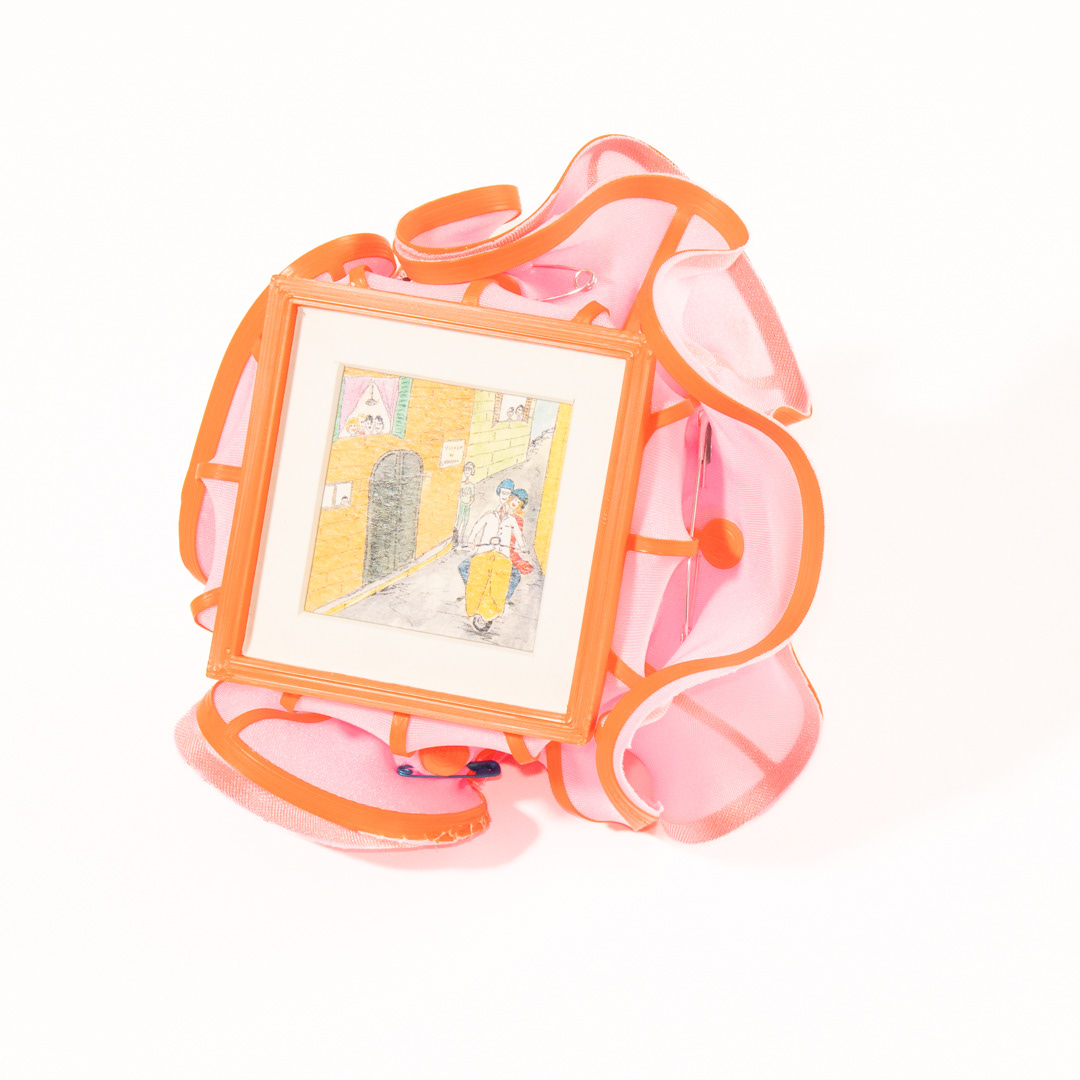
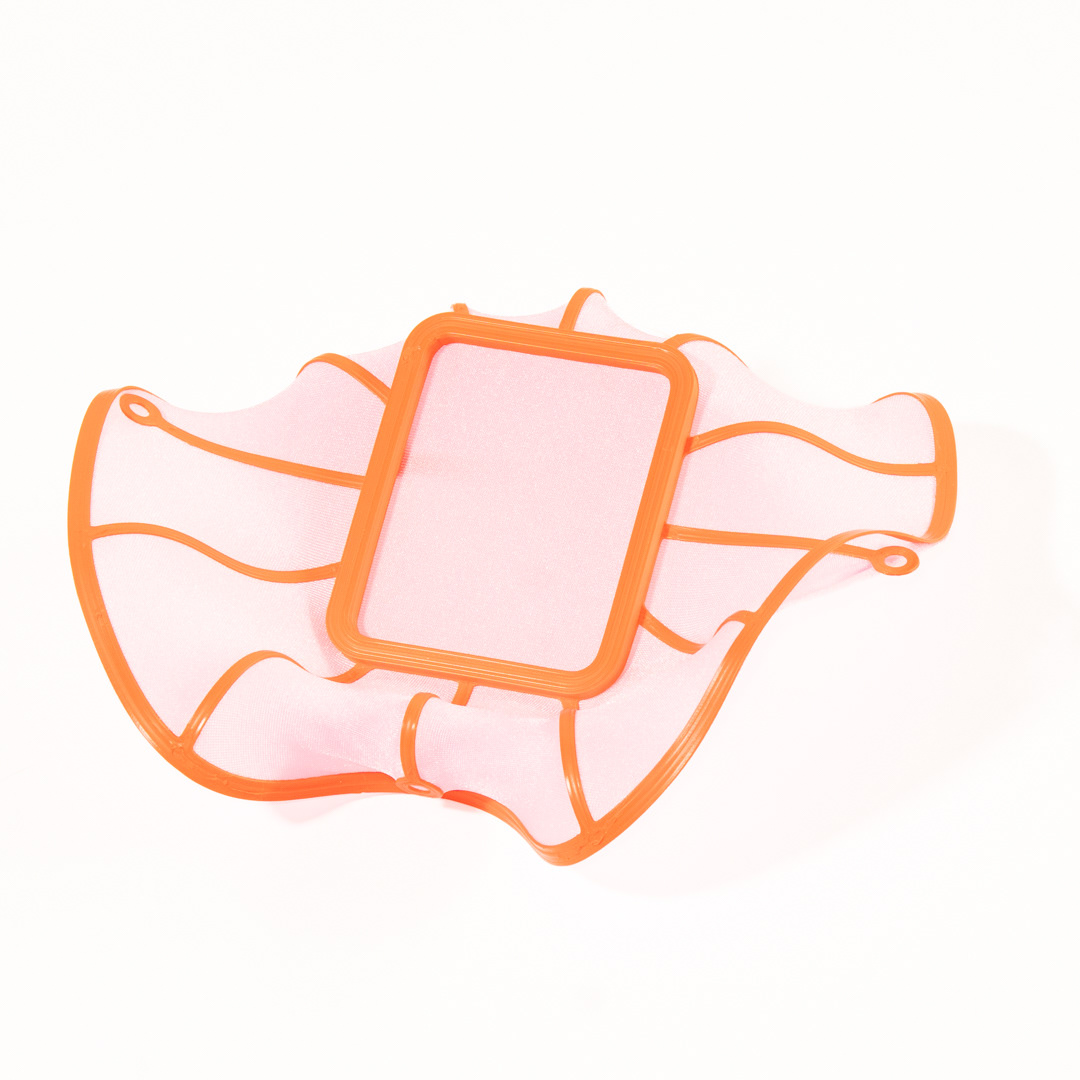
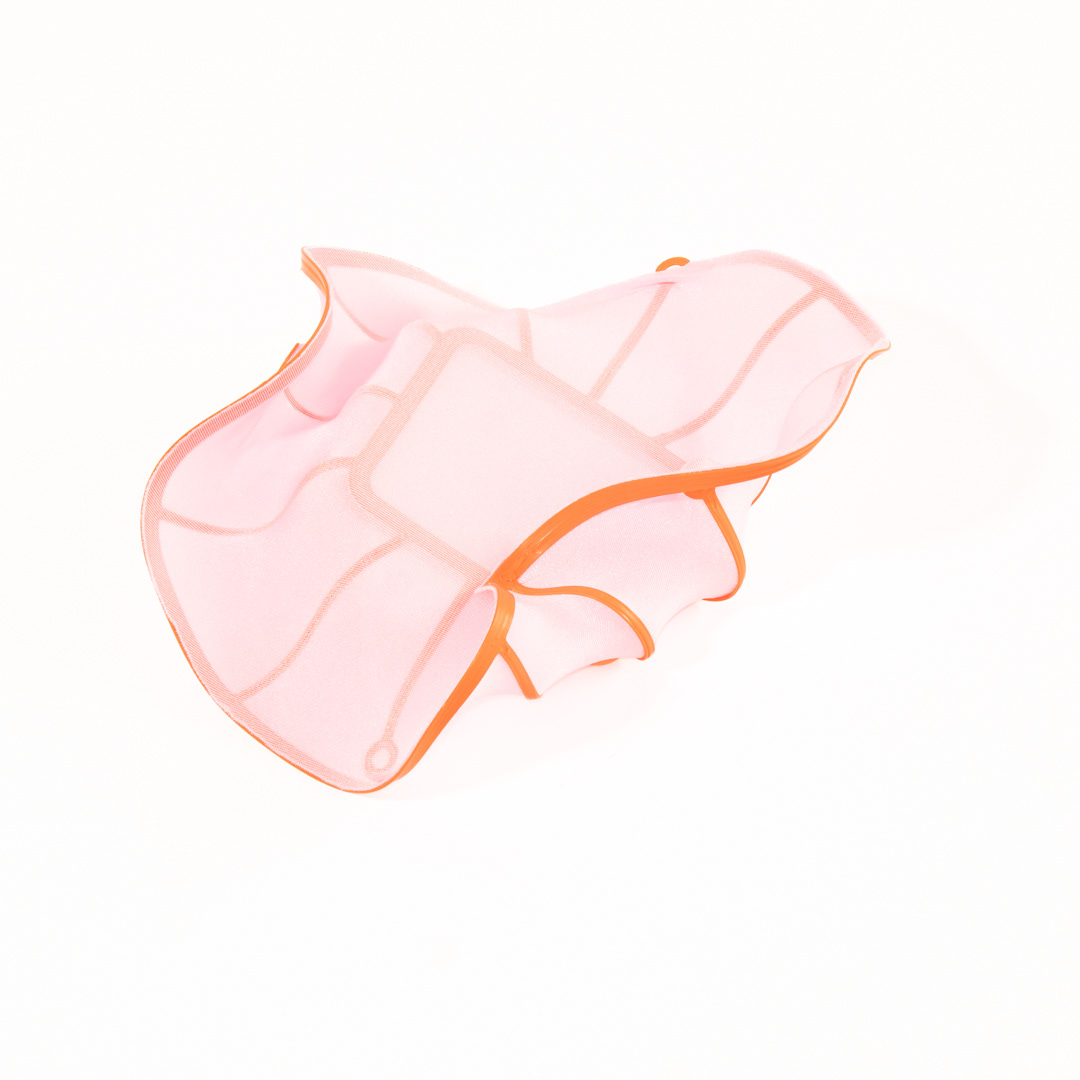
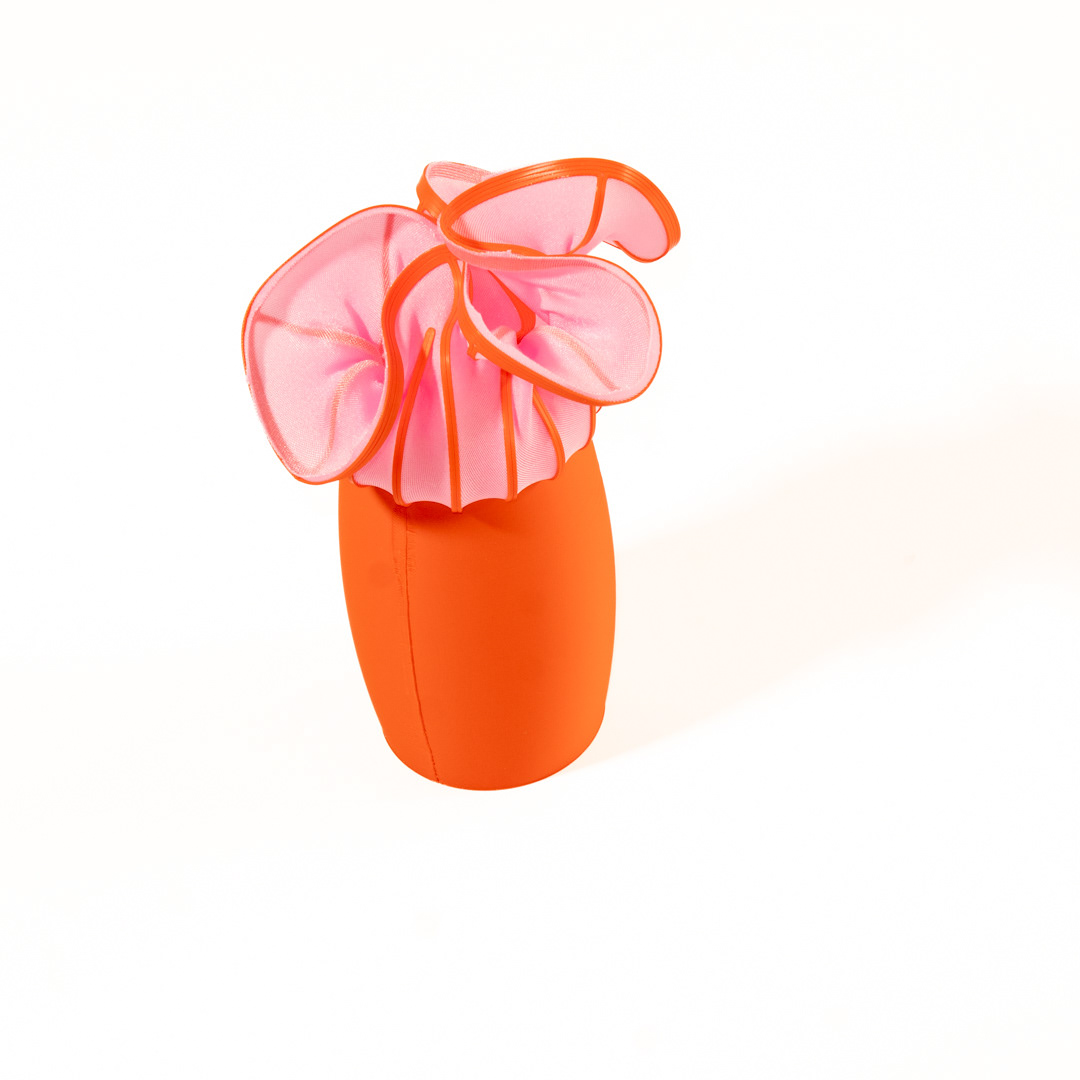
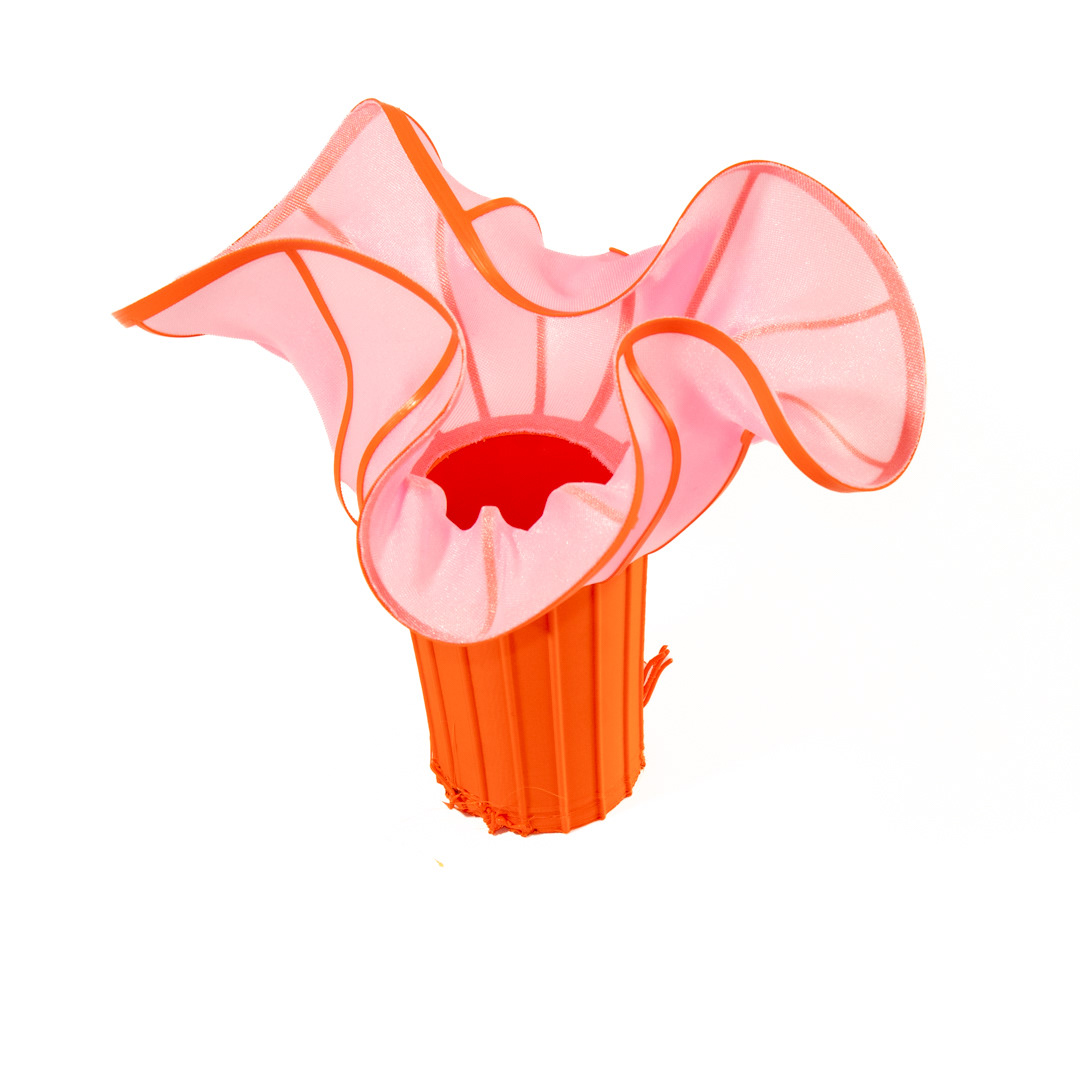
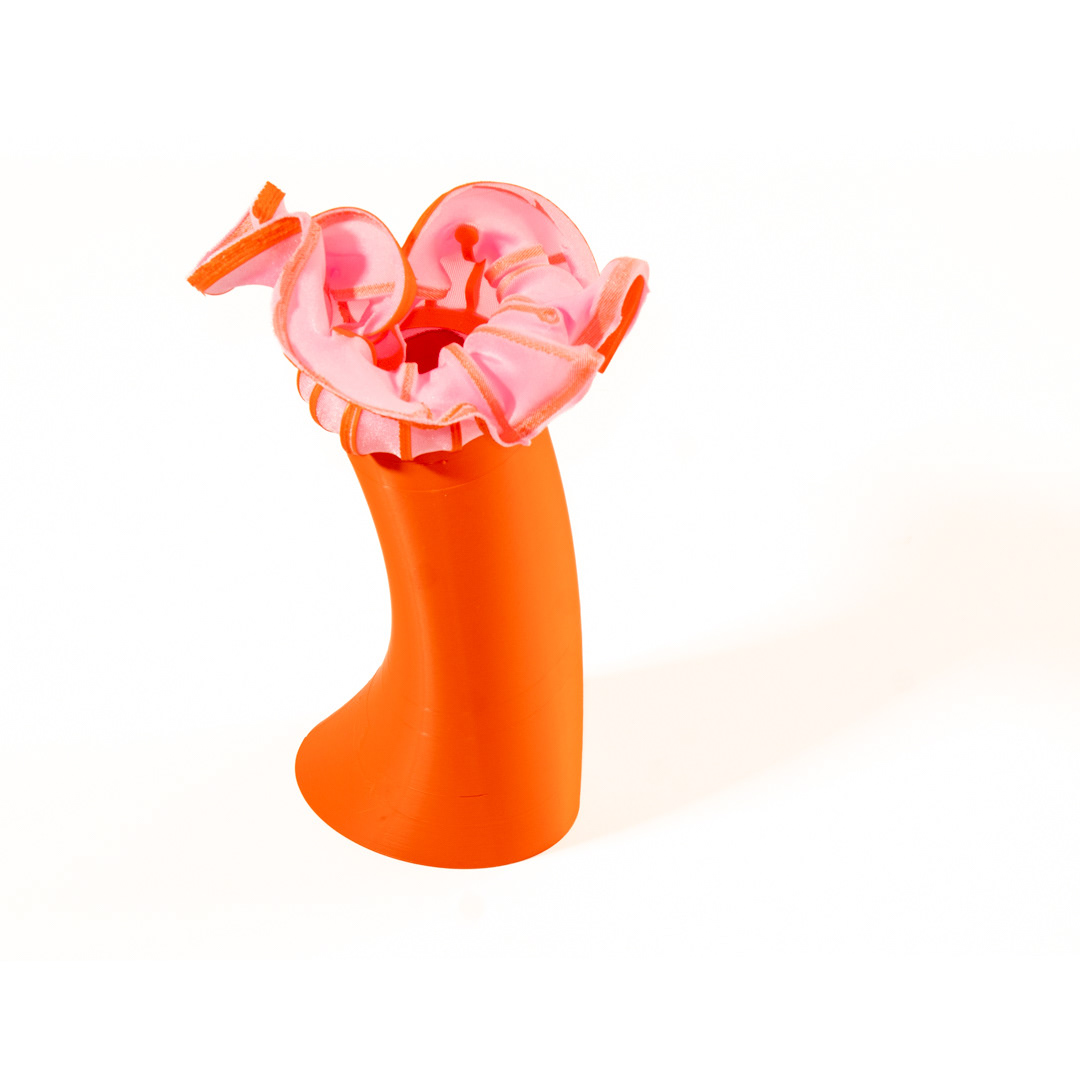
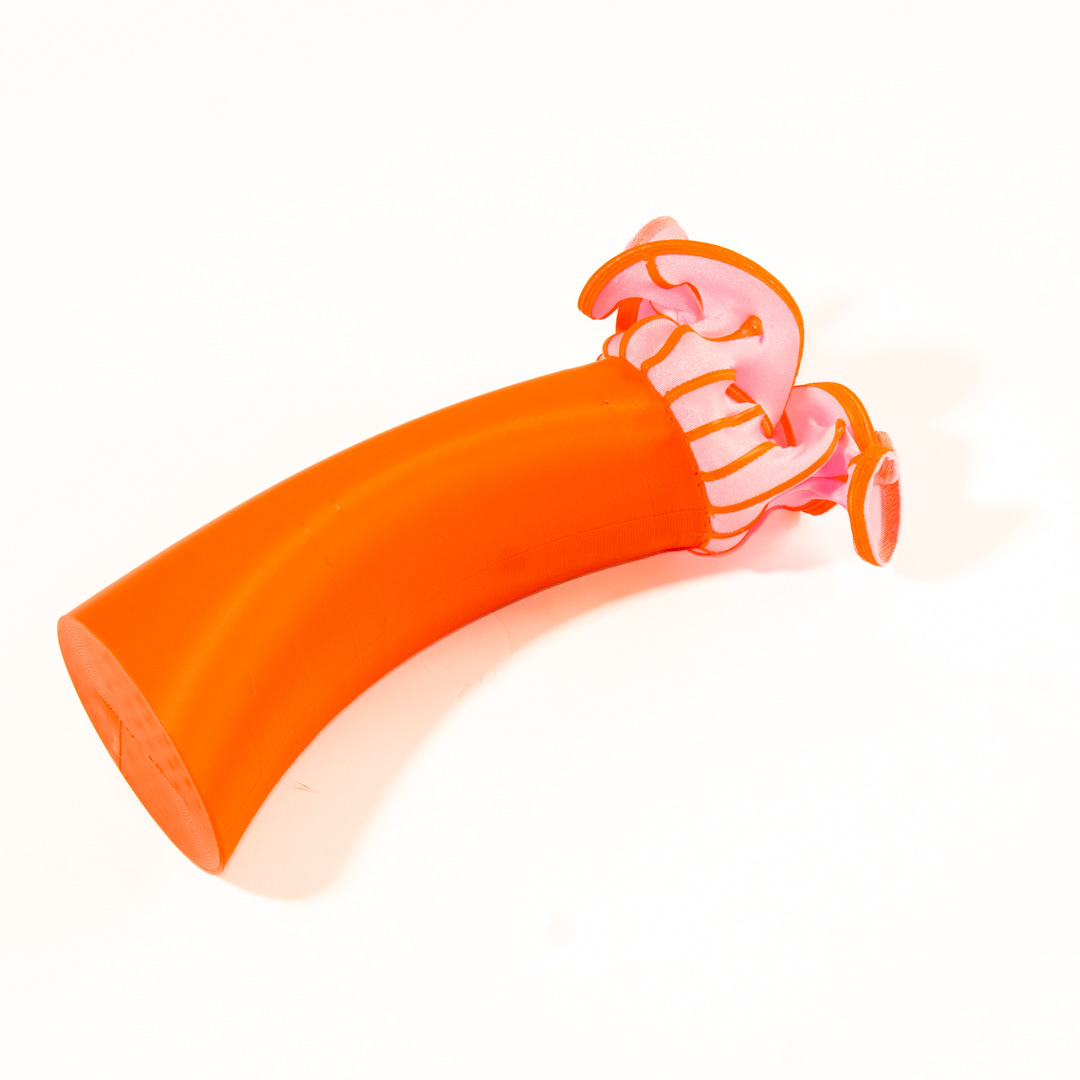

The Method:
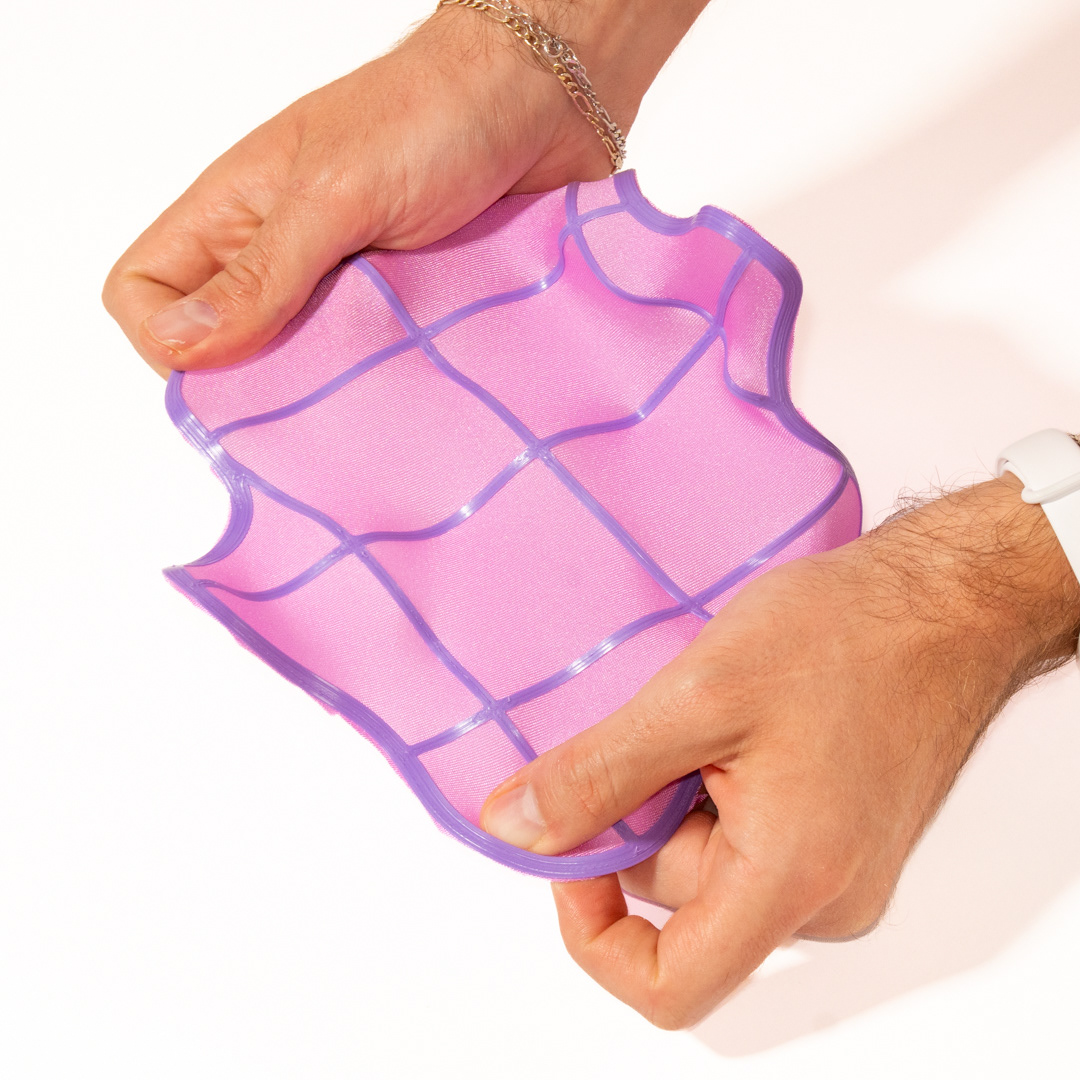
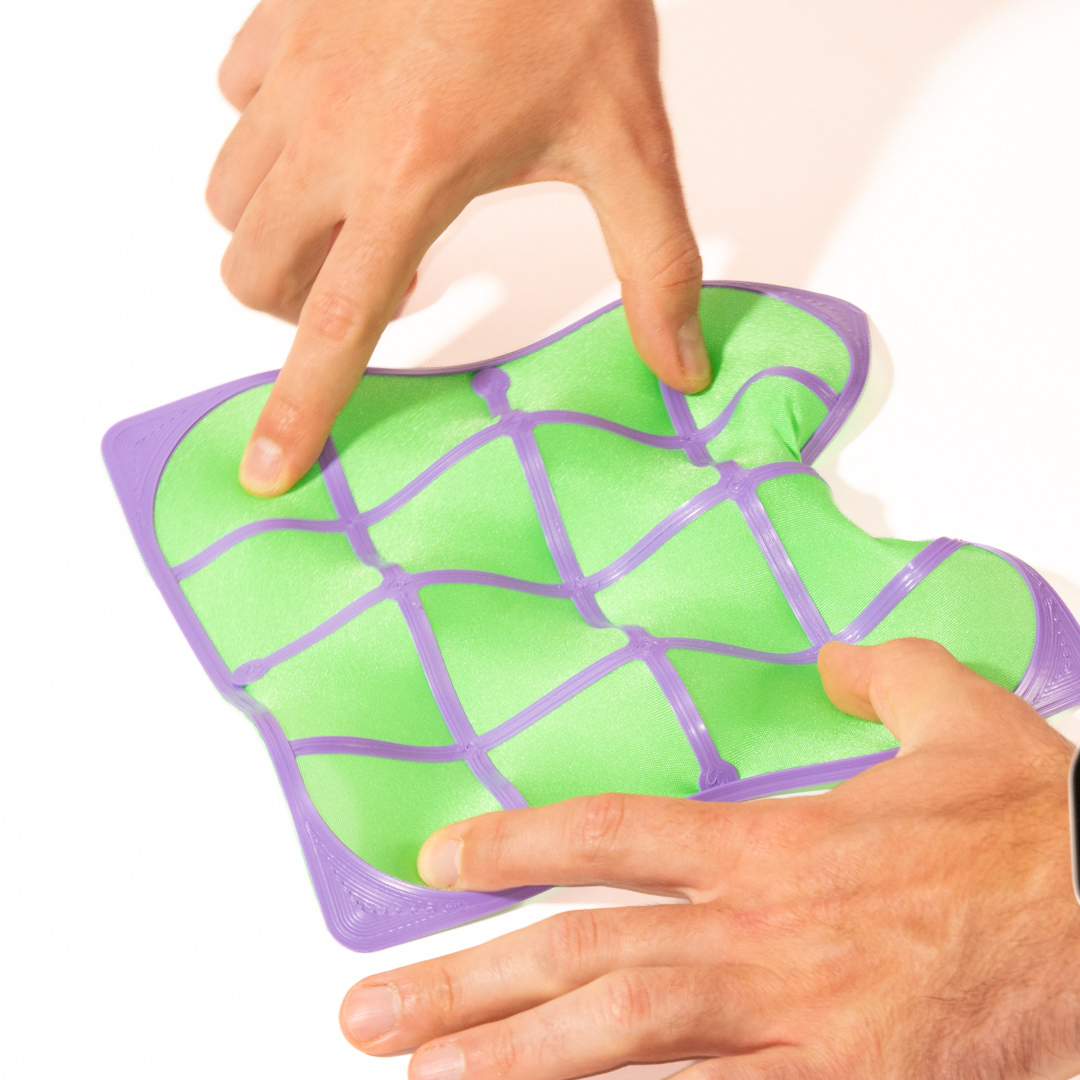
The fabric is folded in two and sewn along two sides, leaving one edge open. It is then stretched over the build plate and pinned from the open edge, so the printing surface is under even tension.
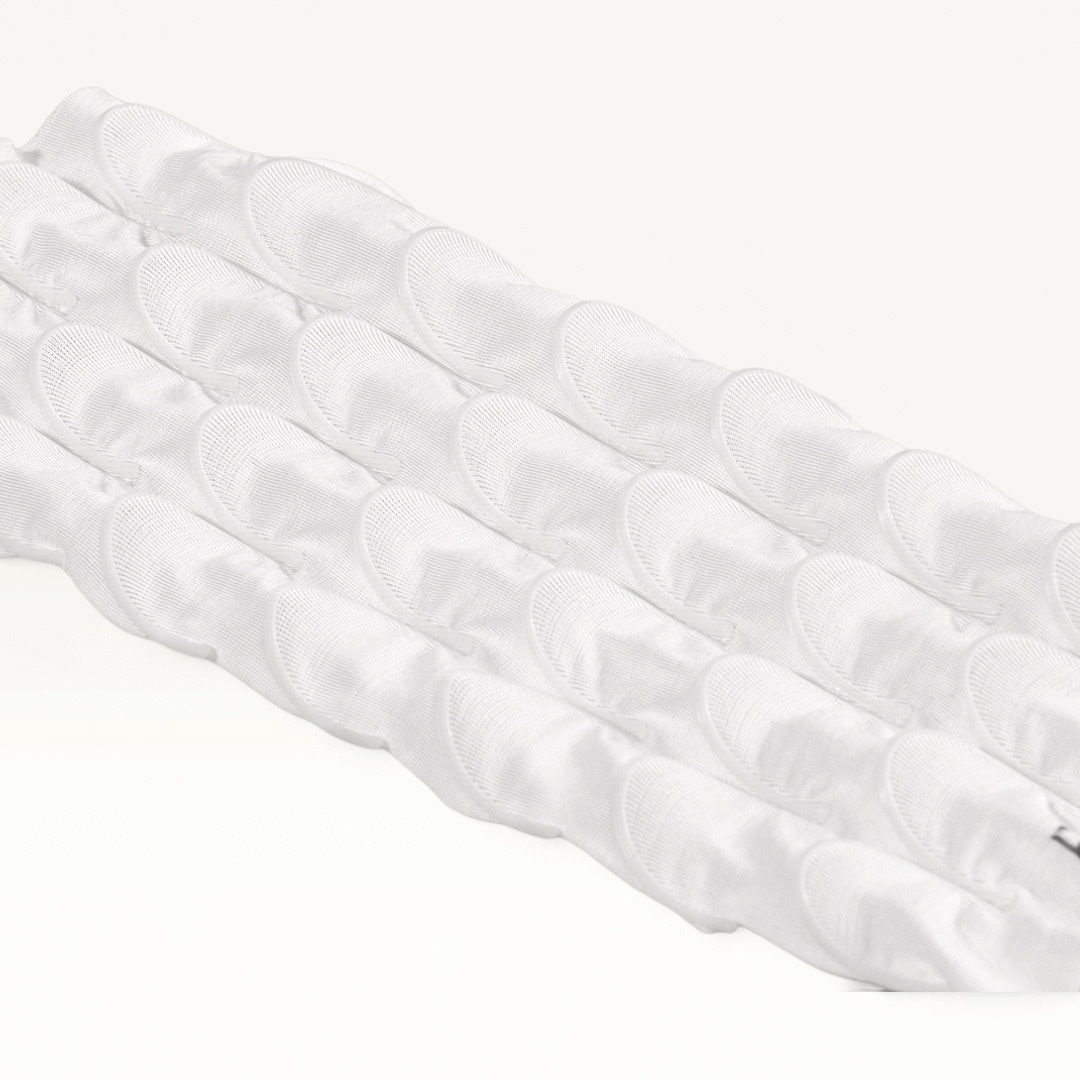
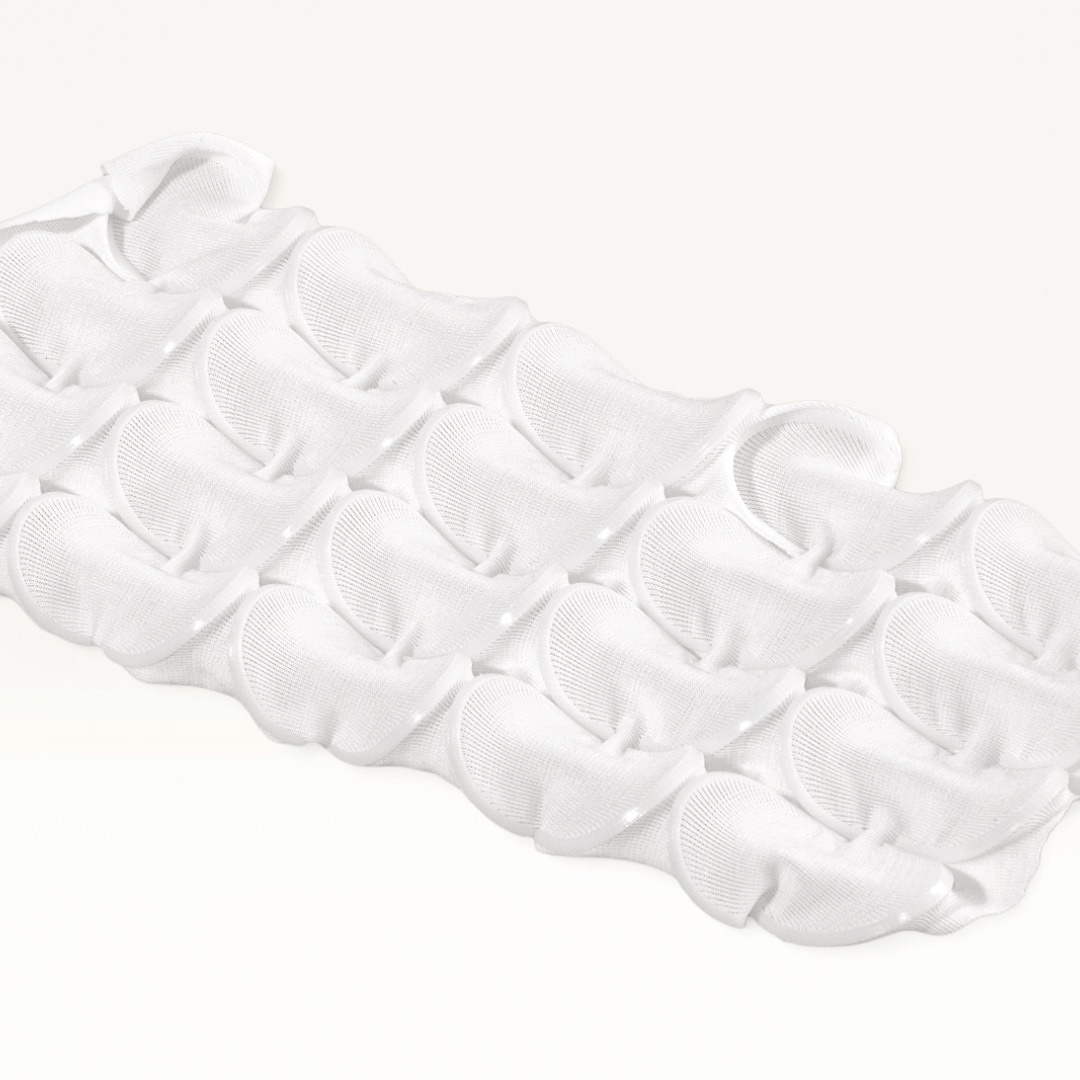
We print directly onto the stretched fabric with a 0.8 mm nozzle at 1 mm line width, much heavier than a normal print, and with a low first layer height. Thick lines and a low first layer are what make the bond work. We print in PLA. We tried PETG and couldn't get it to bond to the fabric reliably, so we stopped using it.
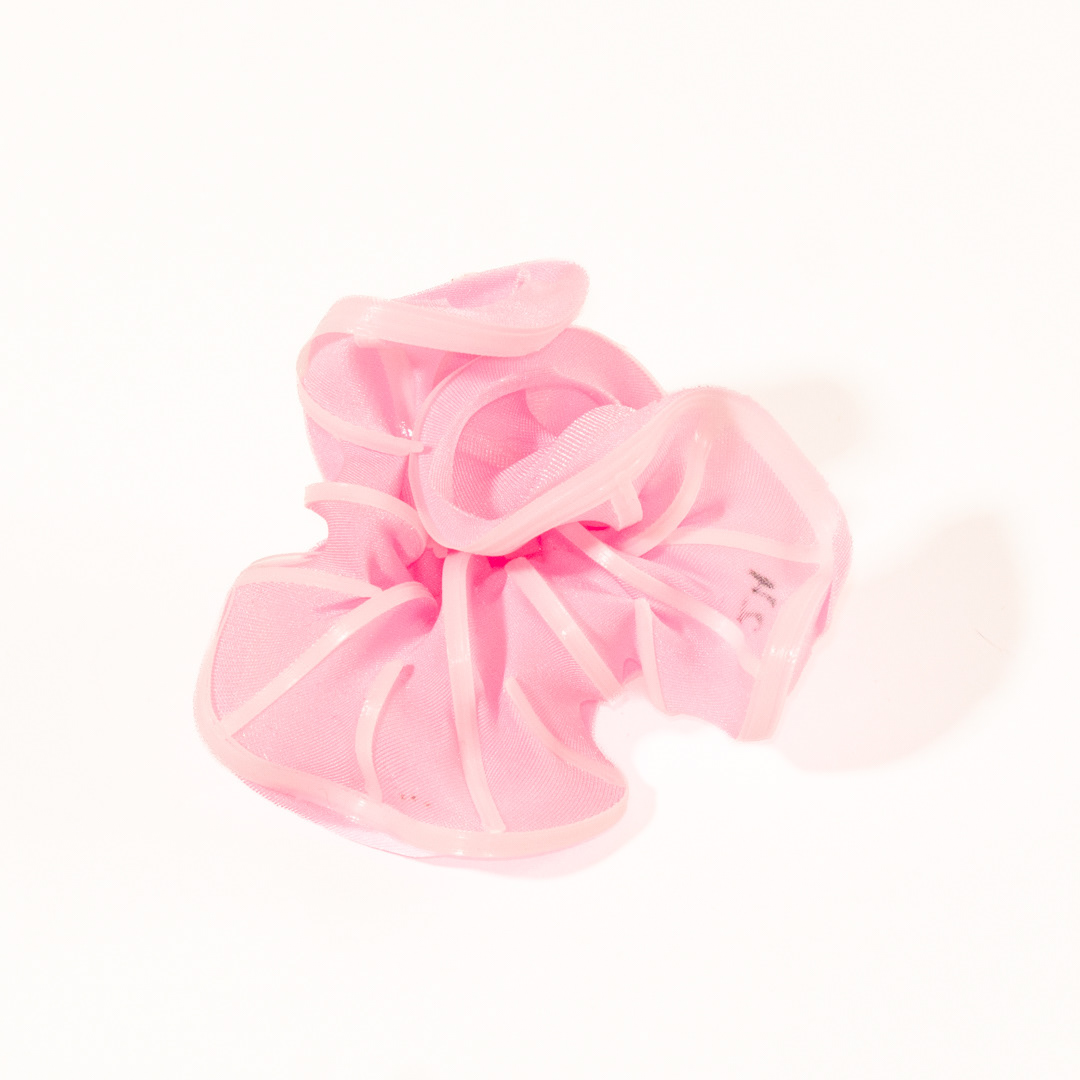
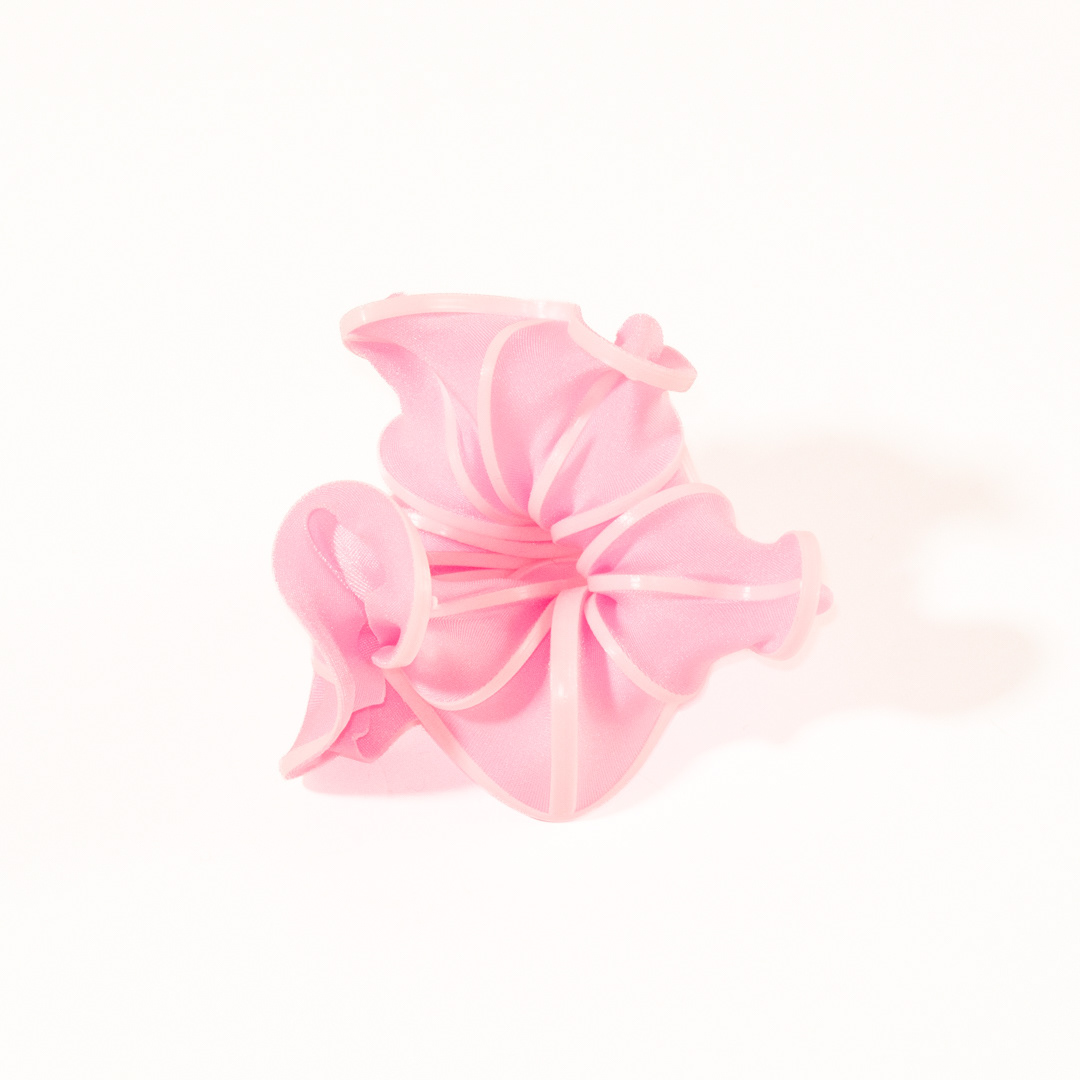
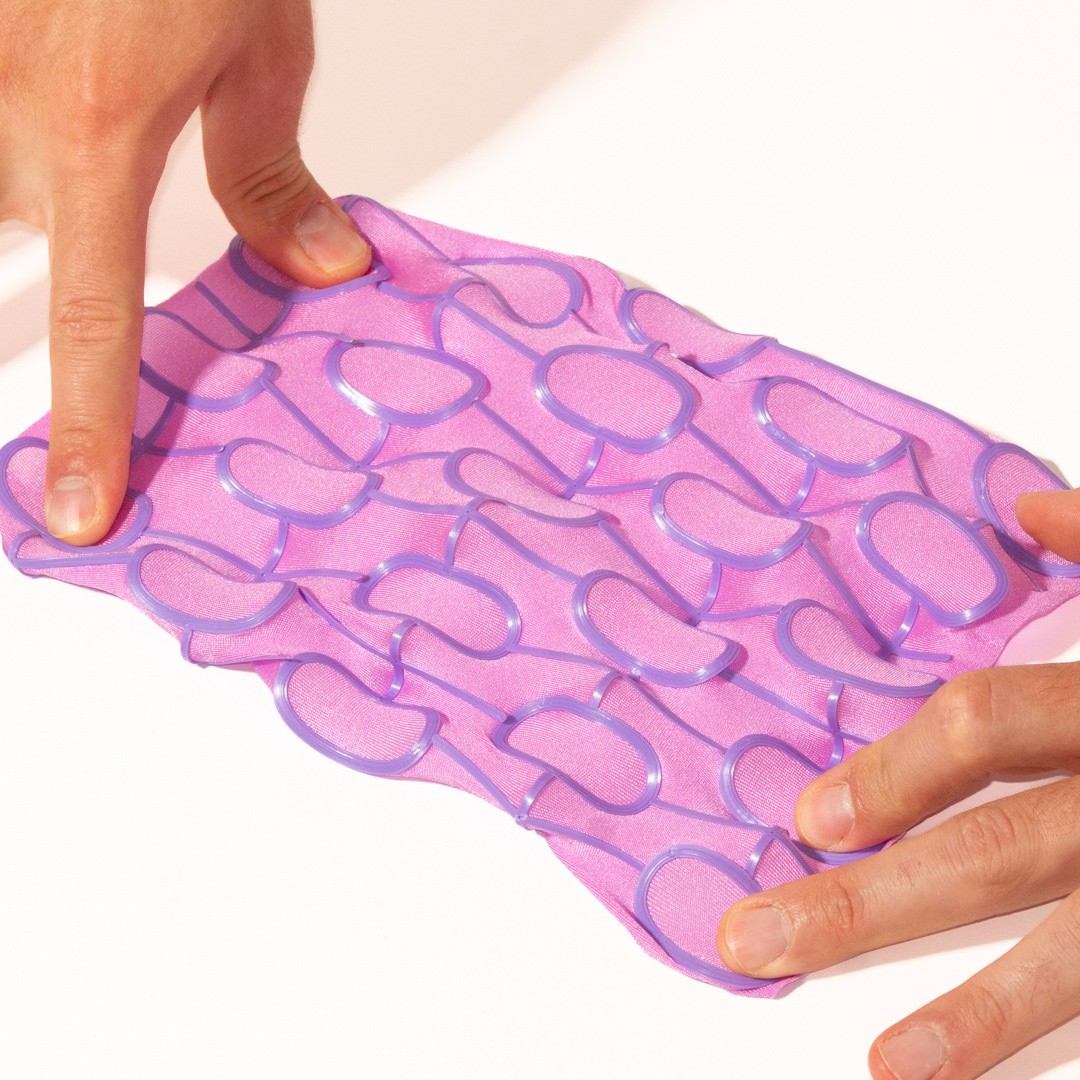
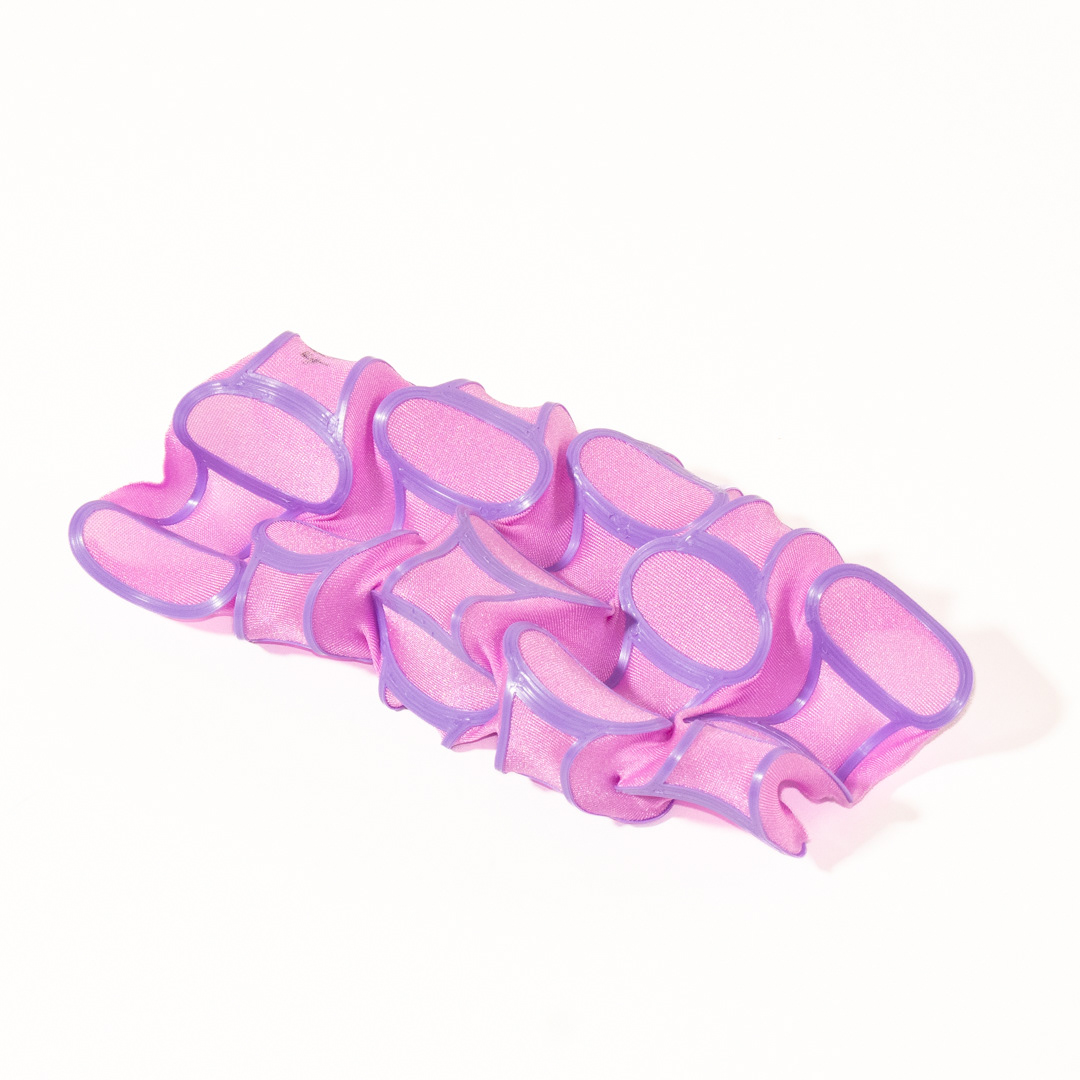
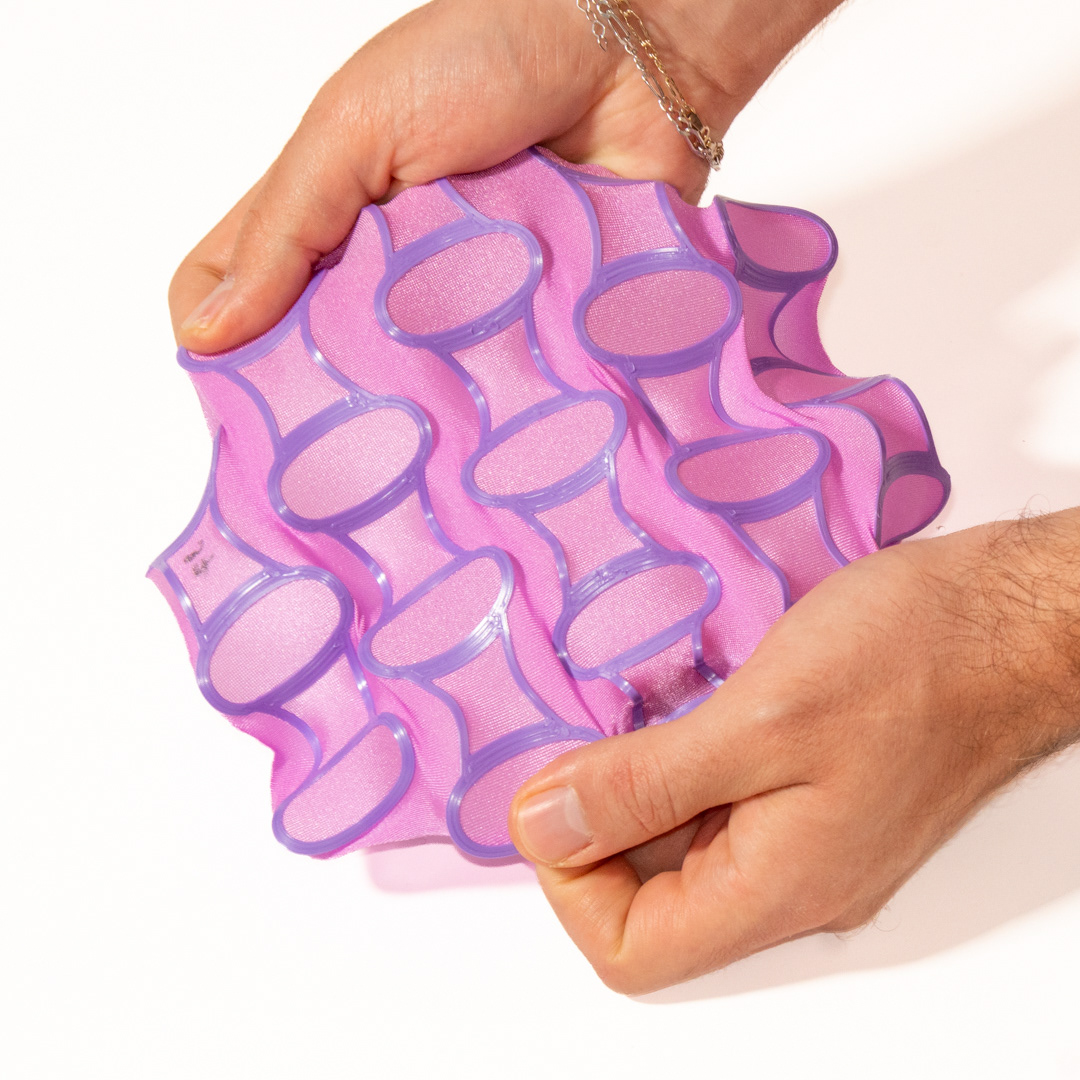
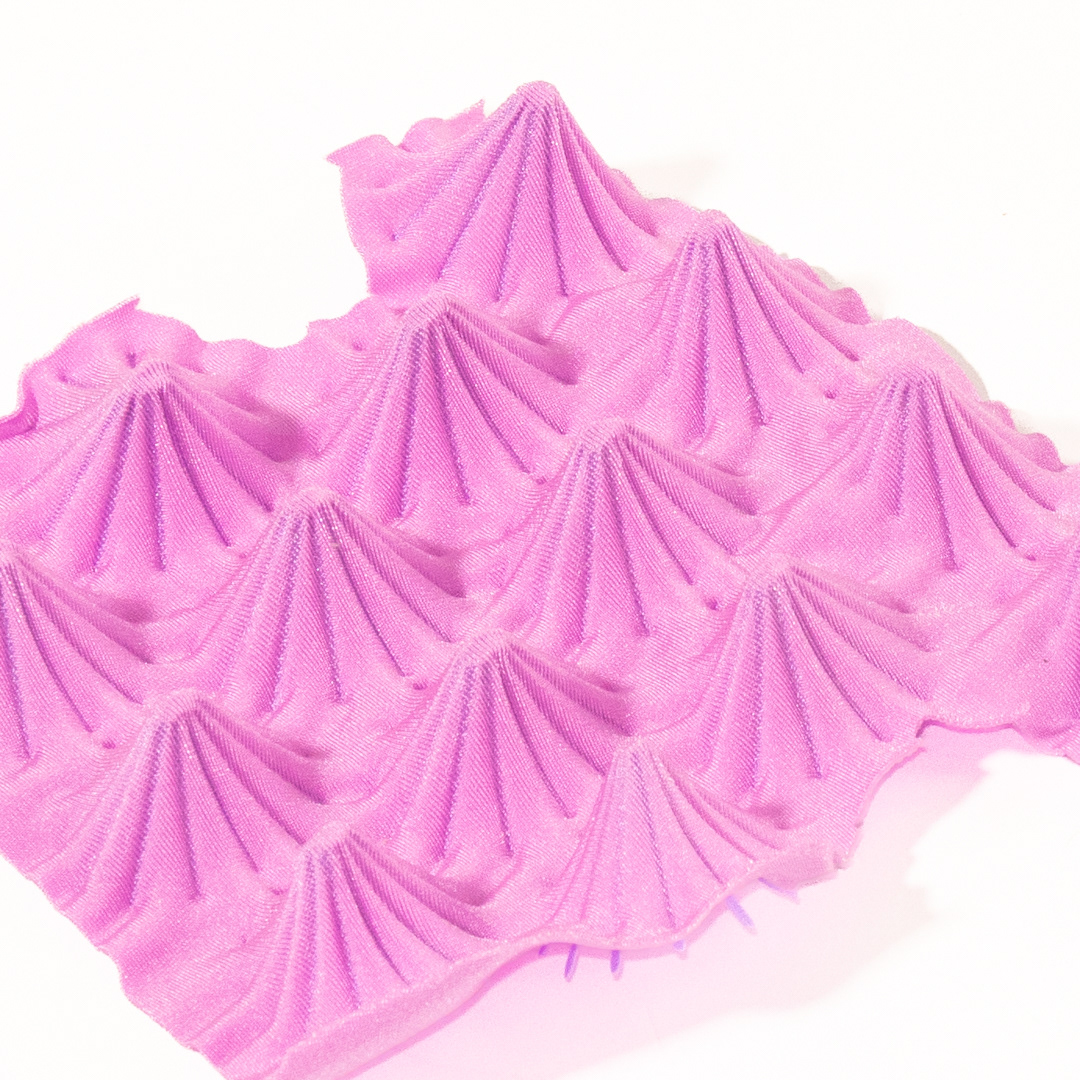
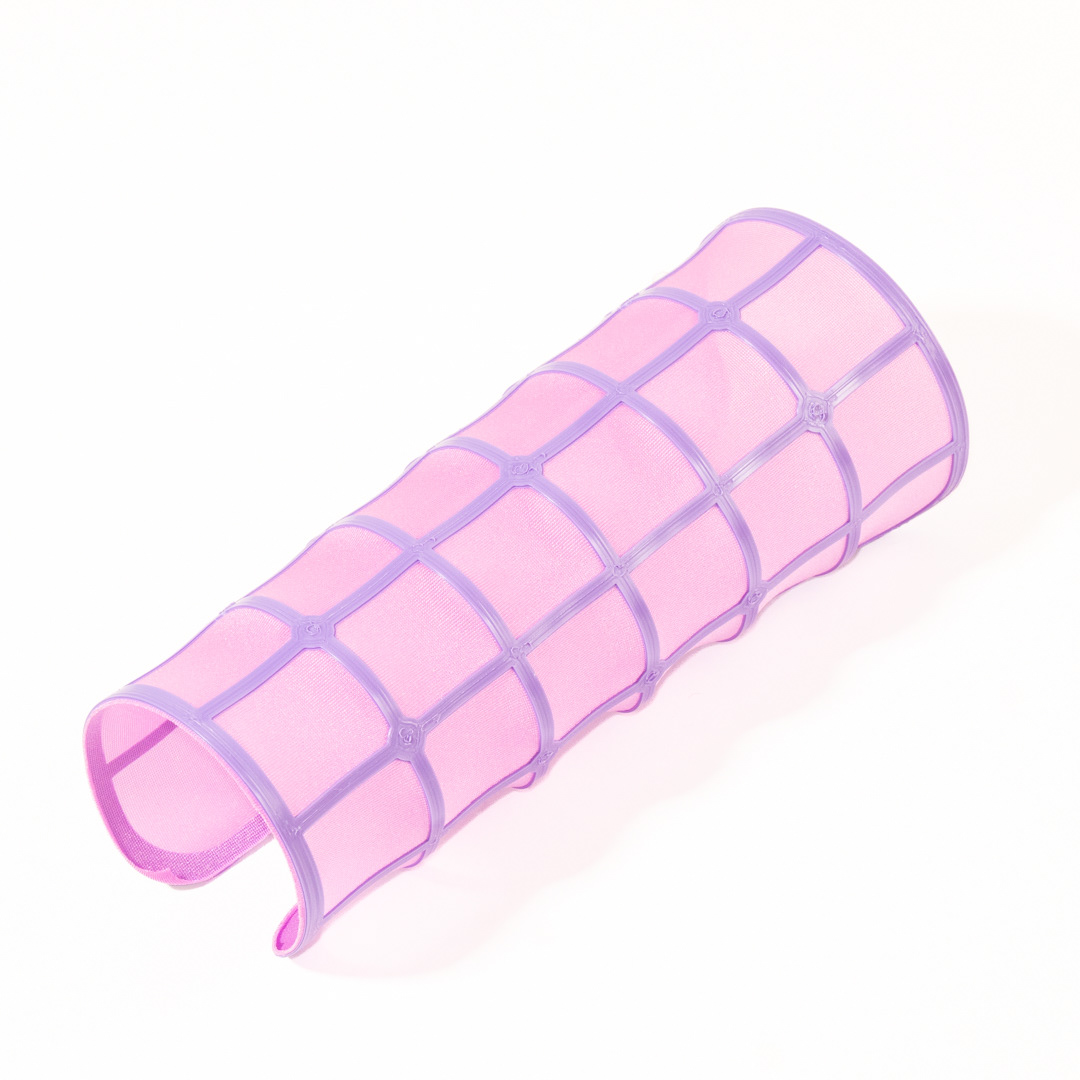
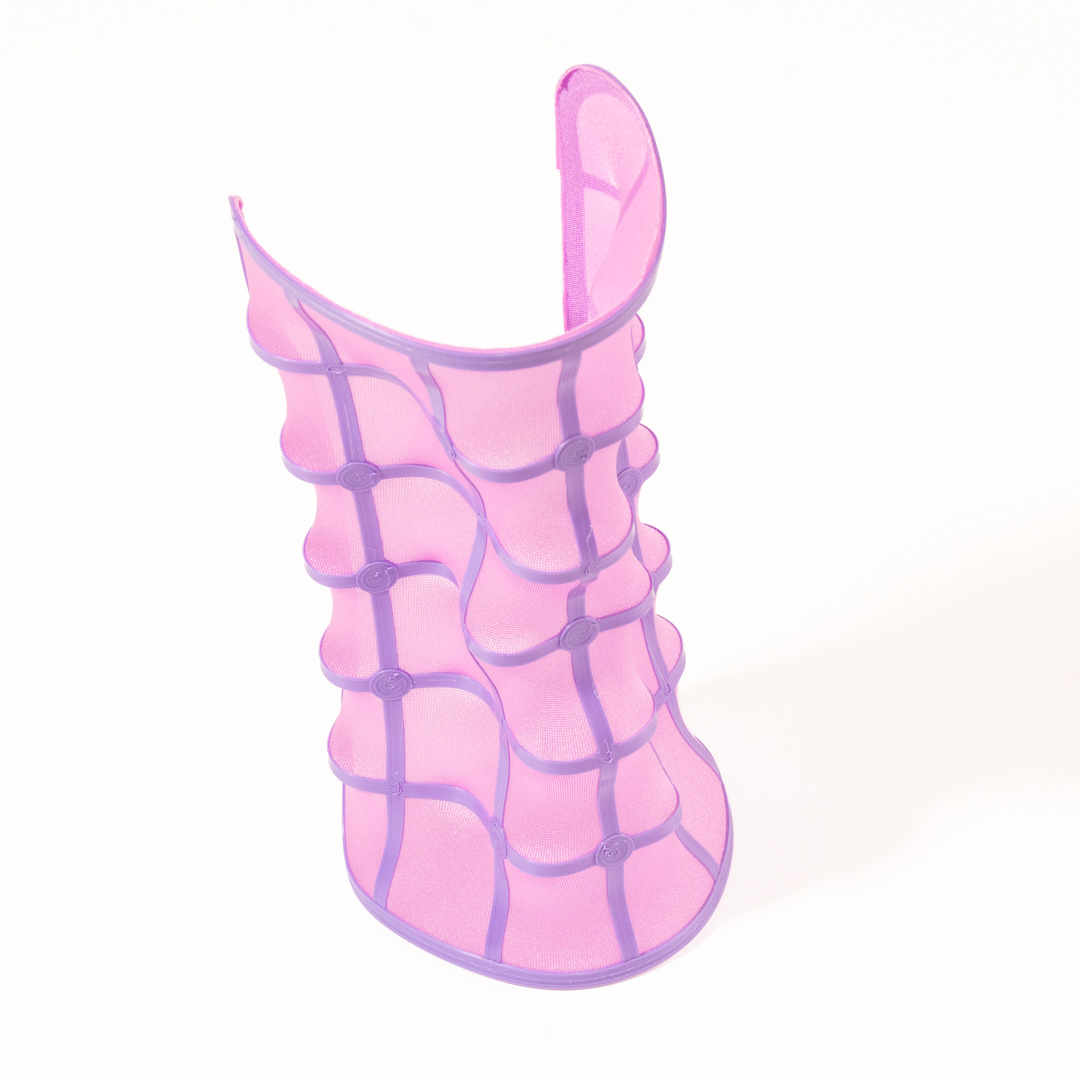
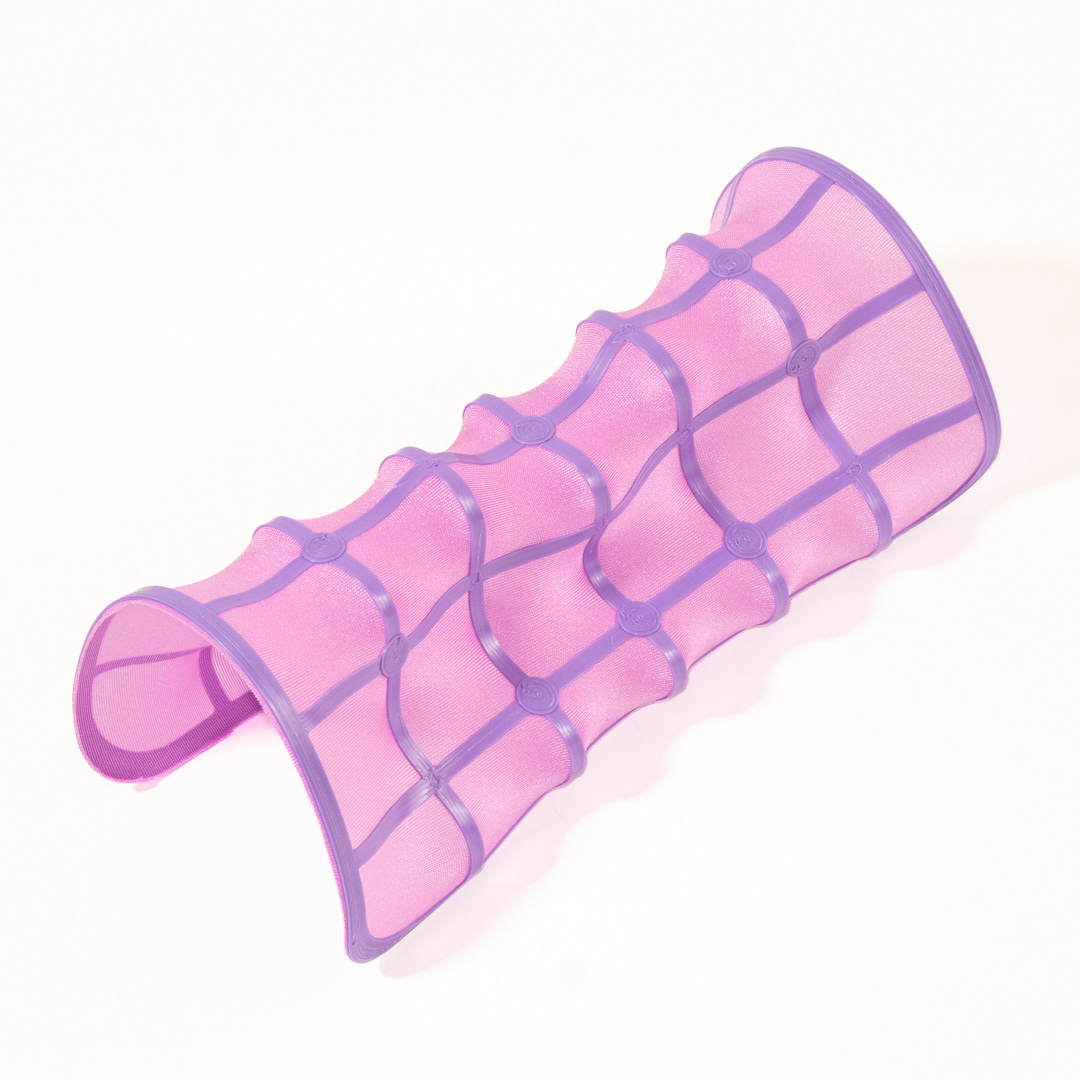
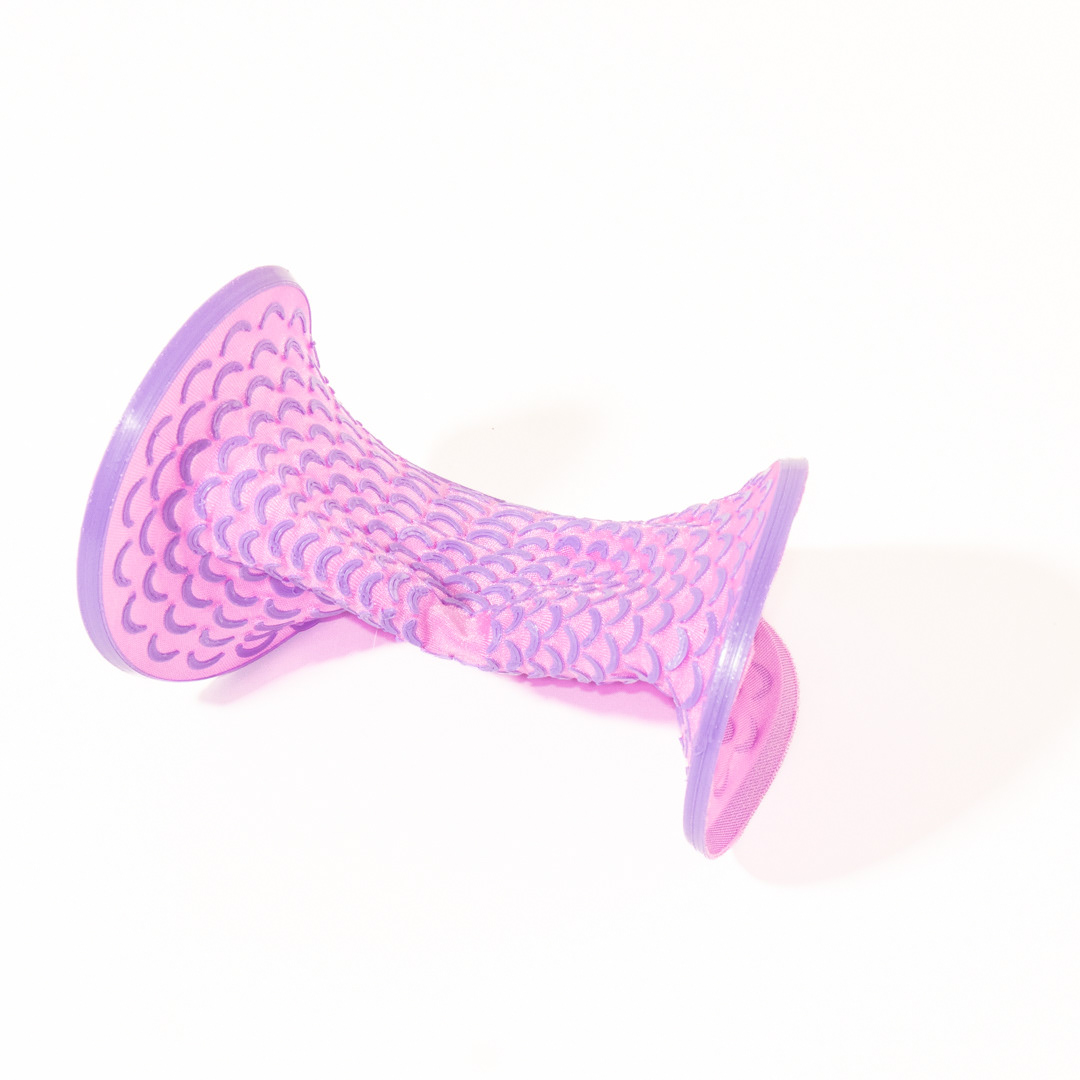
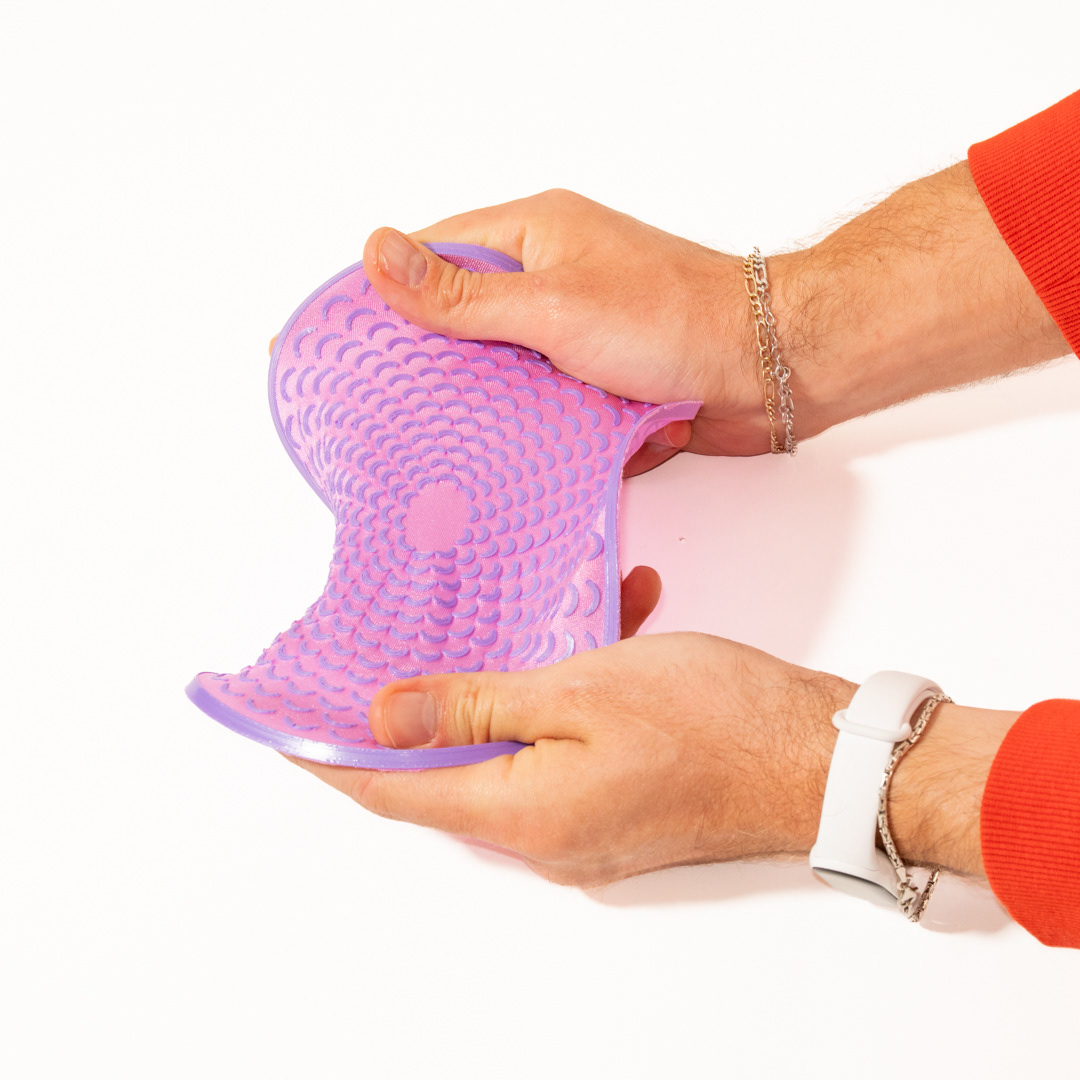
Once the print is finished, we unpin the fabric and cut the printed area out of the sewn piece. Released from the tension, the fabric pulls back toward its original size, the printed pattern holds, and the sheet folds into three dimensions. The pattern determines where it folds.
Fabrics tested so far: mesh, polyamide & elastane, cotton & elastane. Polyamide & elastane gives the best results, it holds tension without going loose, so it produced more structure and more volume for us than the others.
Parameters:
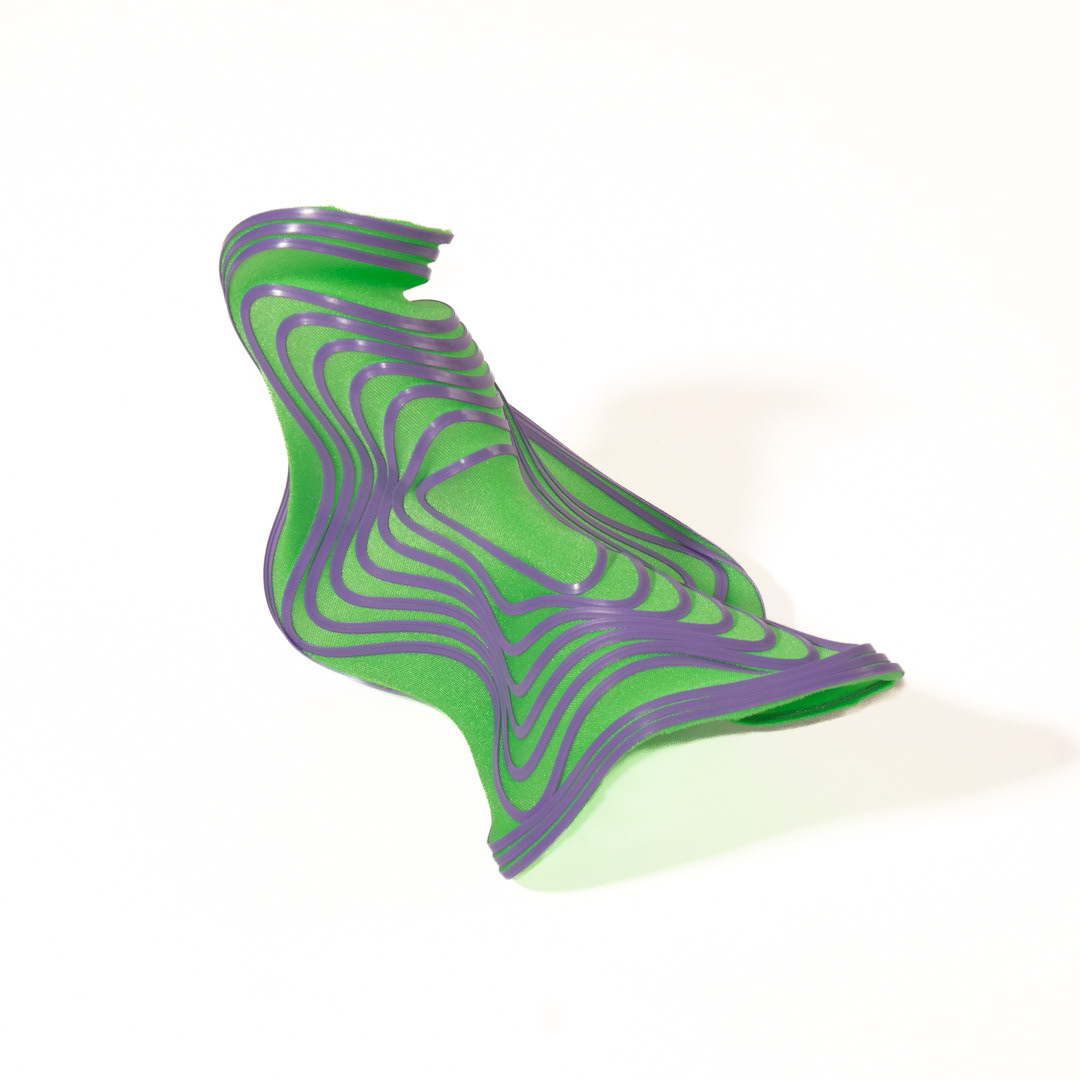
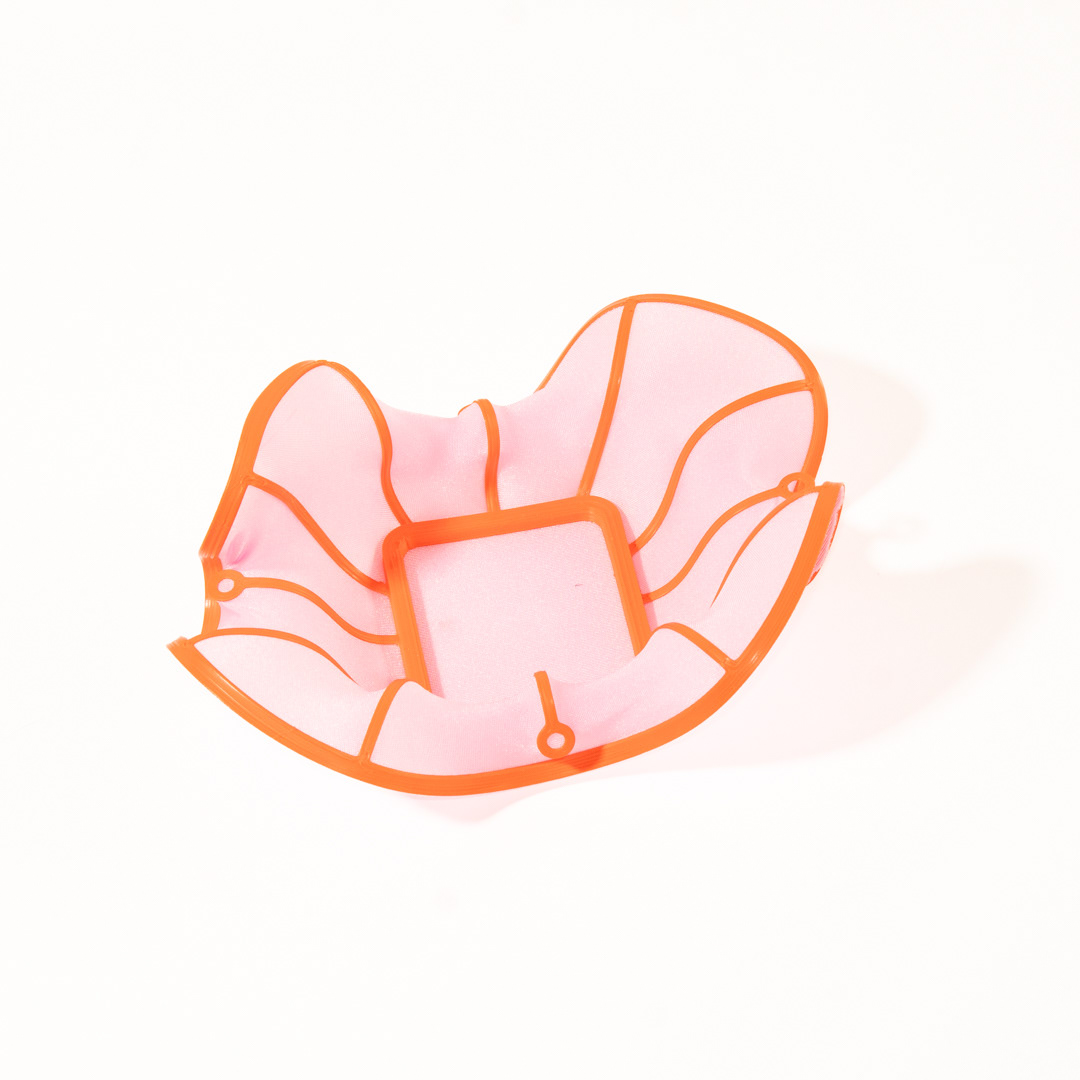
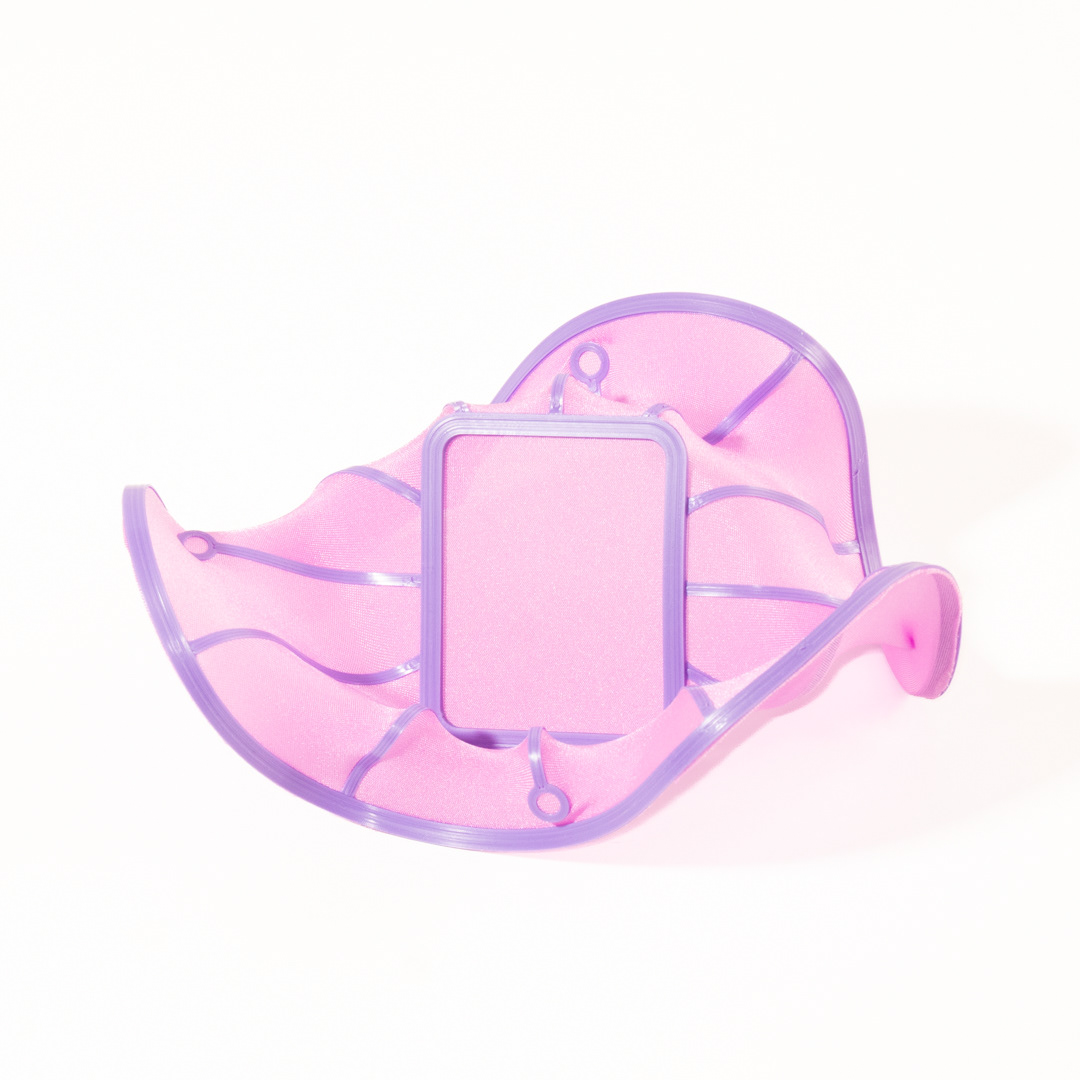
Print Thickness: We changed thickness within a single texture. Thicker areas resist the fabric's pull and tend to stay flat, thinner areas tend to gather. Changing thickness across a piece can define where it folds.
Spacing between elements: How far apart the printed elements sit determines how much fabric is left free between them, and so how much it gathers or curls.

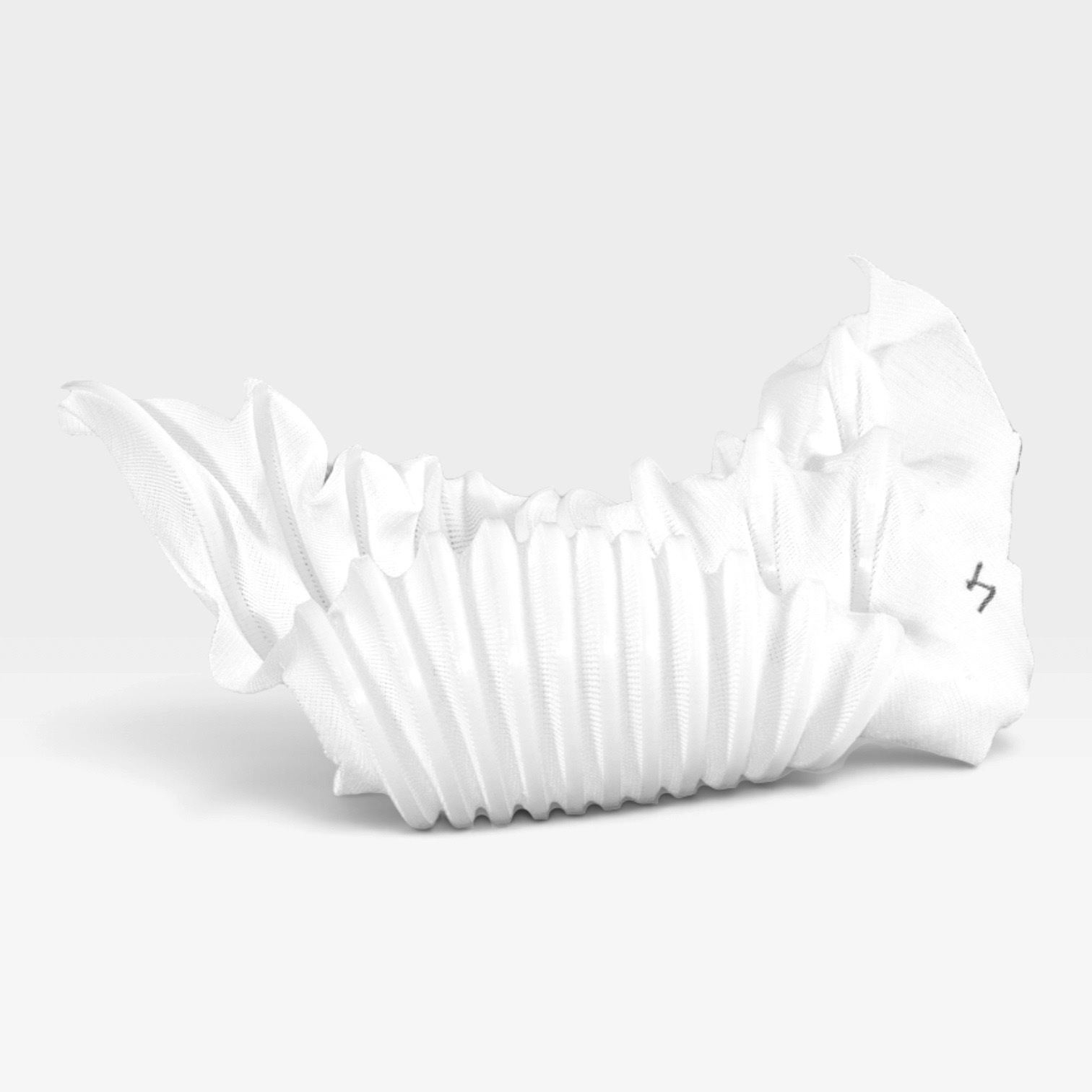

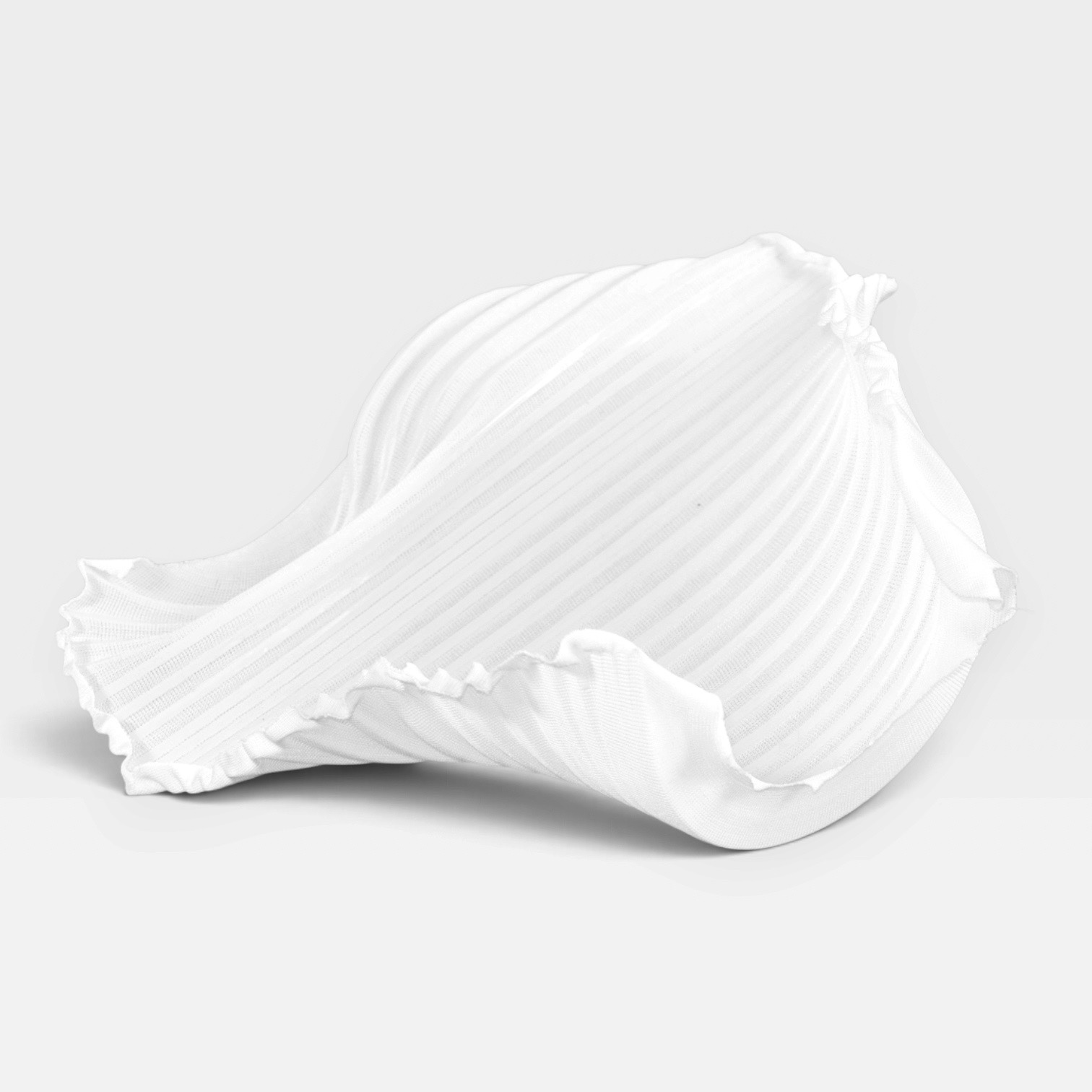
Stretch direction: Fabric stretched in one direction tends to form its volume along that axis when released. Two-way and four-way stretch produce different results from the same pattern, the geometry alone doesn't determine the shape.

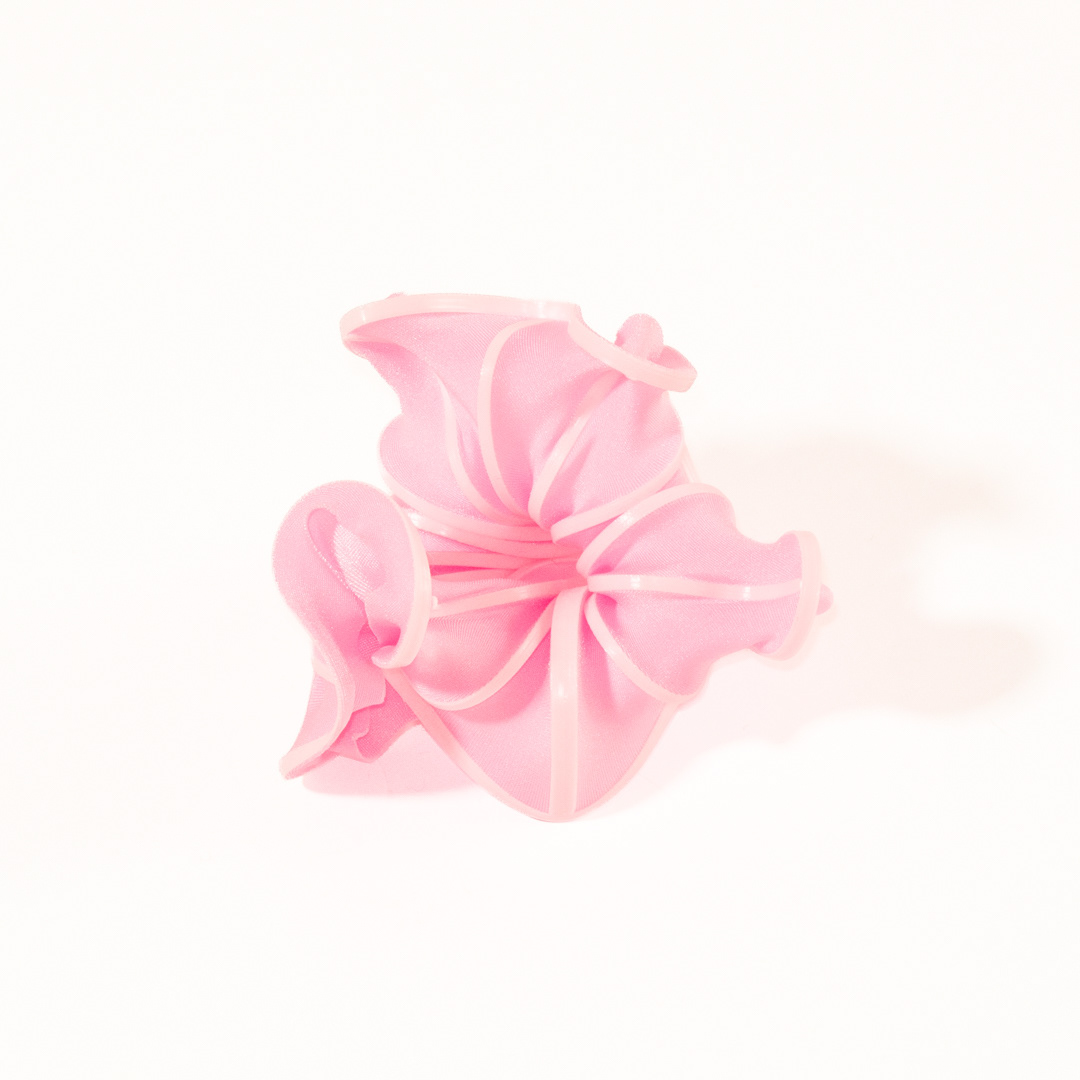

Rhino drawing of the geometry
4 way strecth fabric Bi stretch fabric
Line width: A wider line gives more contact area, so the PLA bonds into the weave better.
Print speed: Printing slowly gives the PLA time to work into the weave. Fast printing bonds poorly.
Failiures:
Adhesion: Prints that didn't bond to the fabric, or lifted during printing.
No volume: Pieces that stayed flat after release, or formed in some areas and stayed straight in others.
Warping: Pieces that formed correctly, then kept changing over the following days and lost their shape.
The fabric always wants to return to its original size and the printed pattern is the only thing stopping it, so where the plastic is too thin, the piece keeps contracting.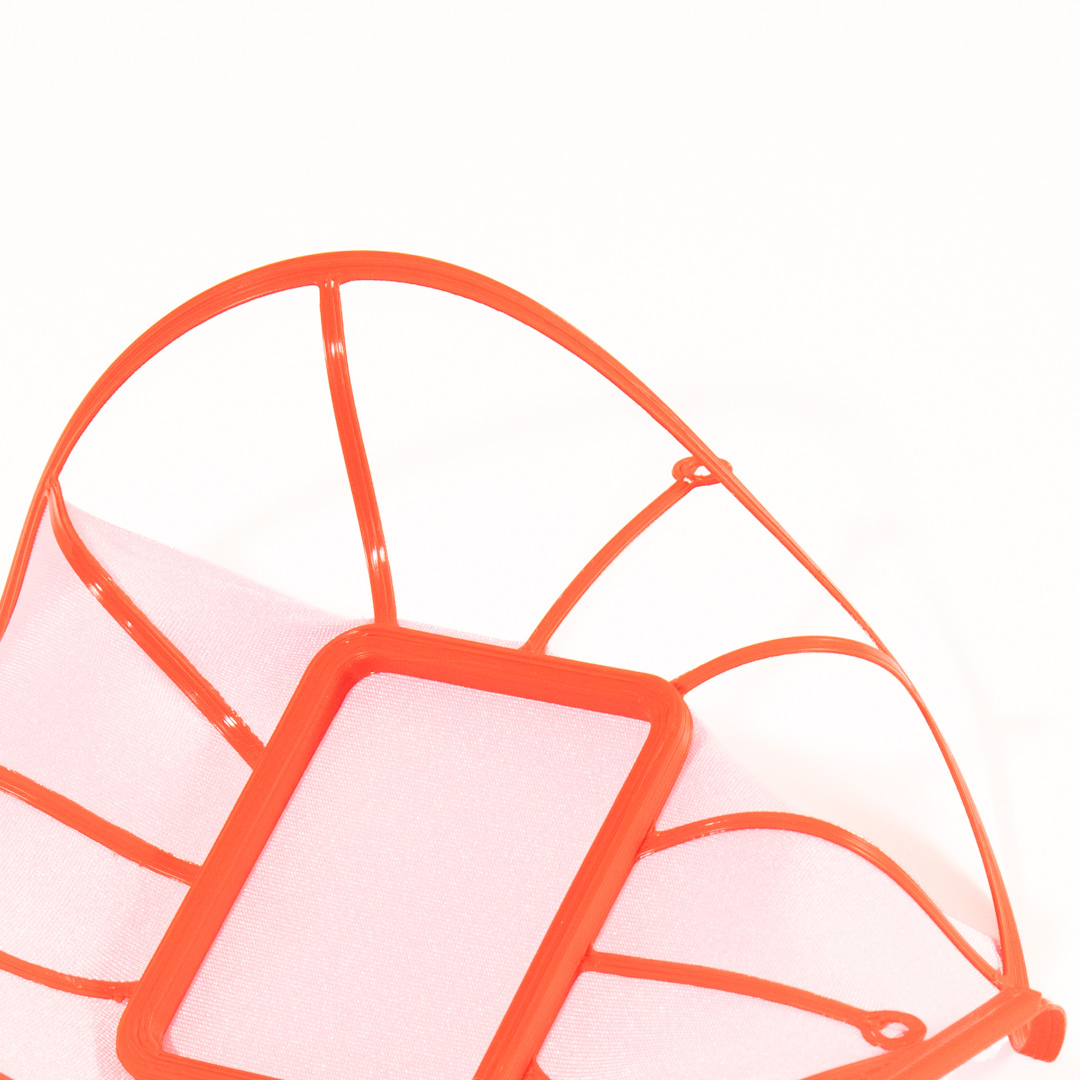
adhesion failure 1
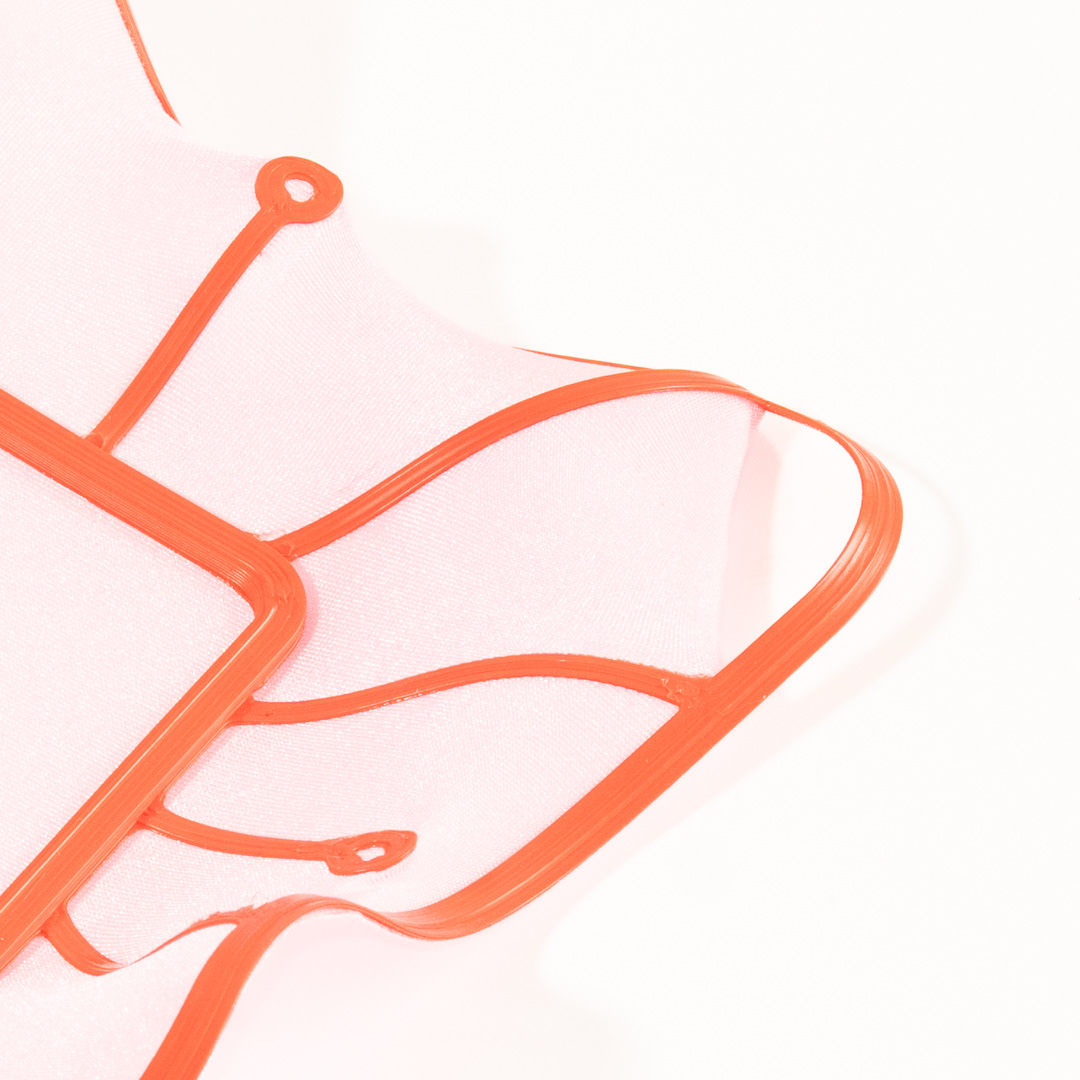
adhesion failure 2
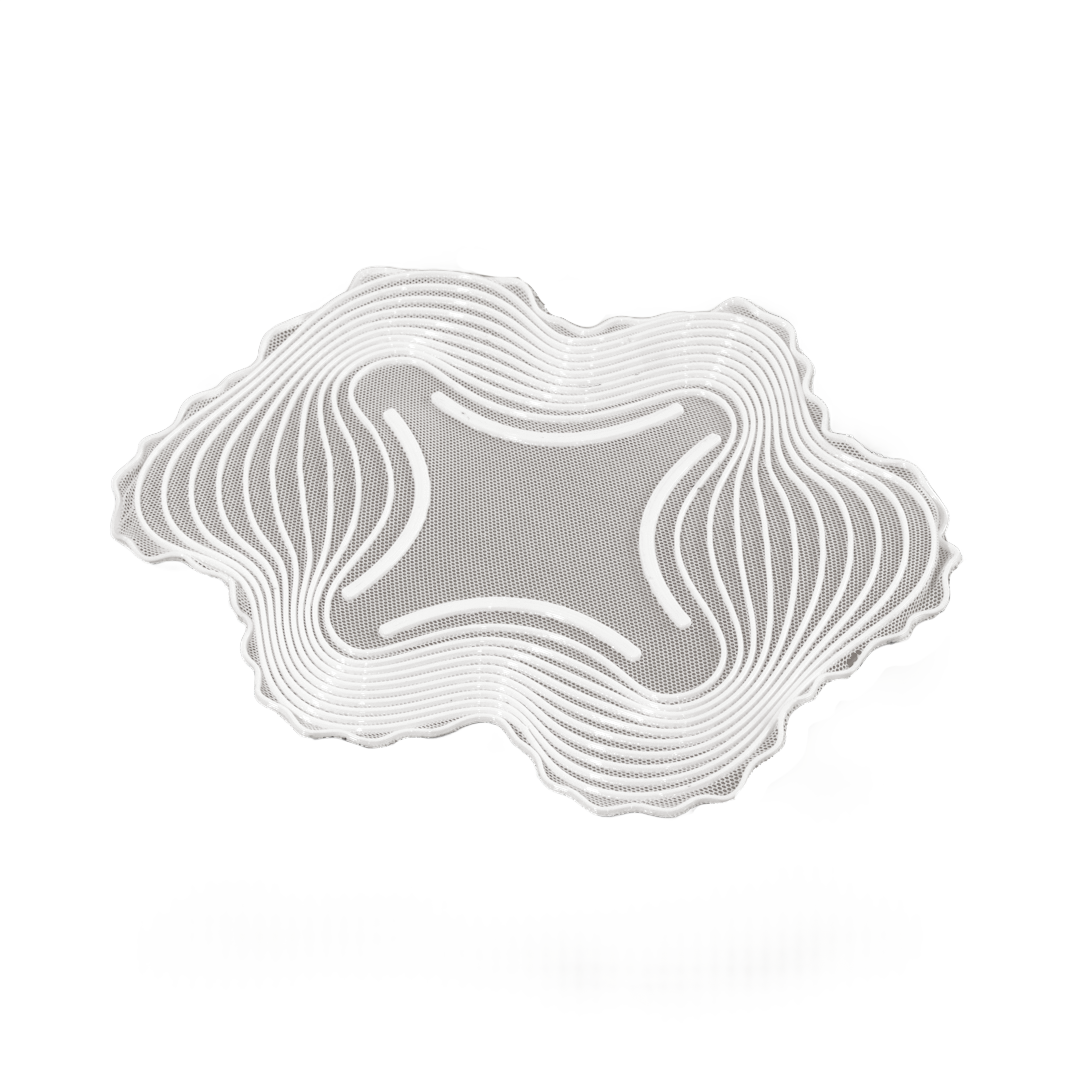
no volume failure 1
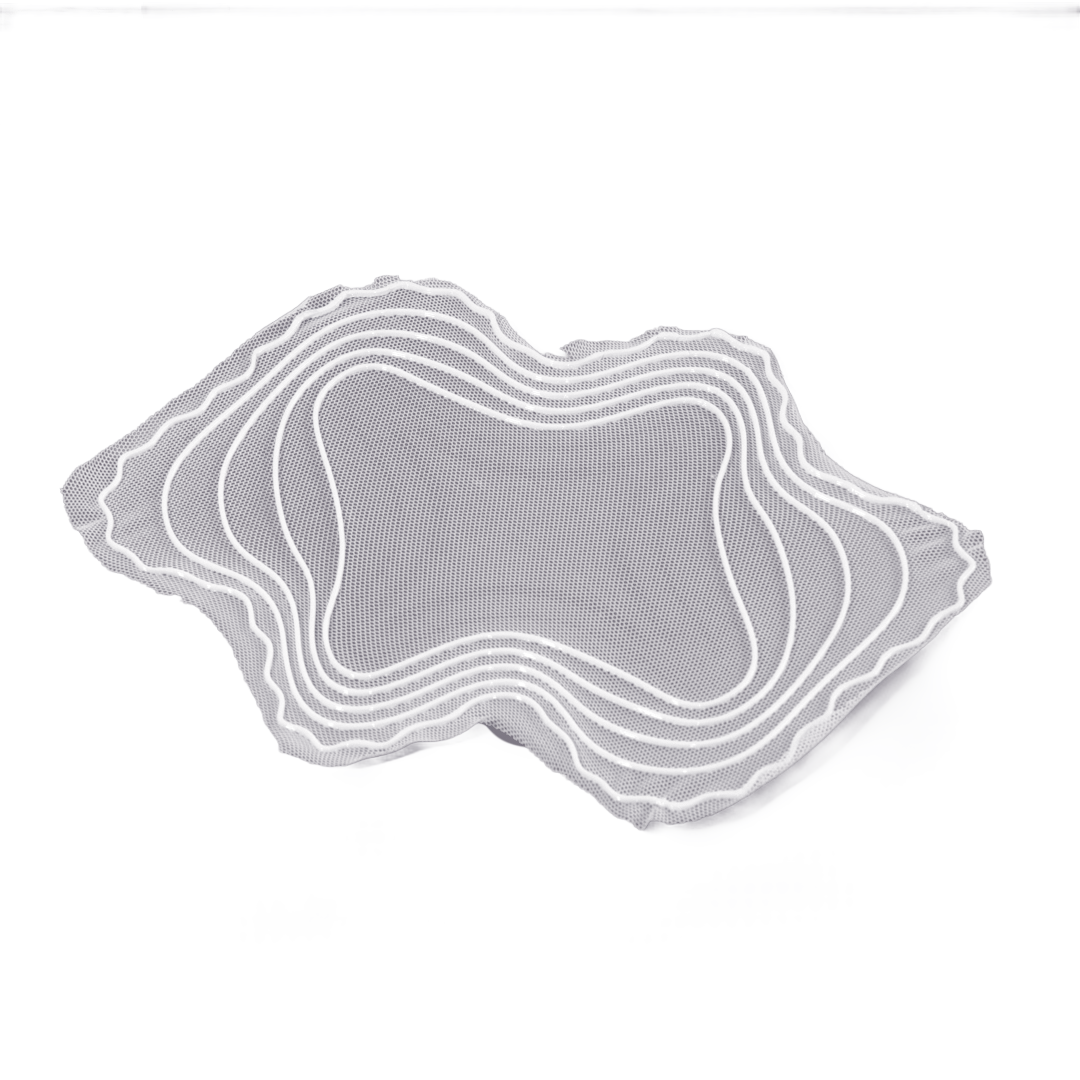
no volume failure 2
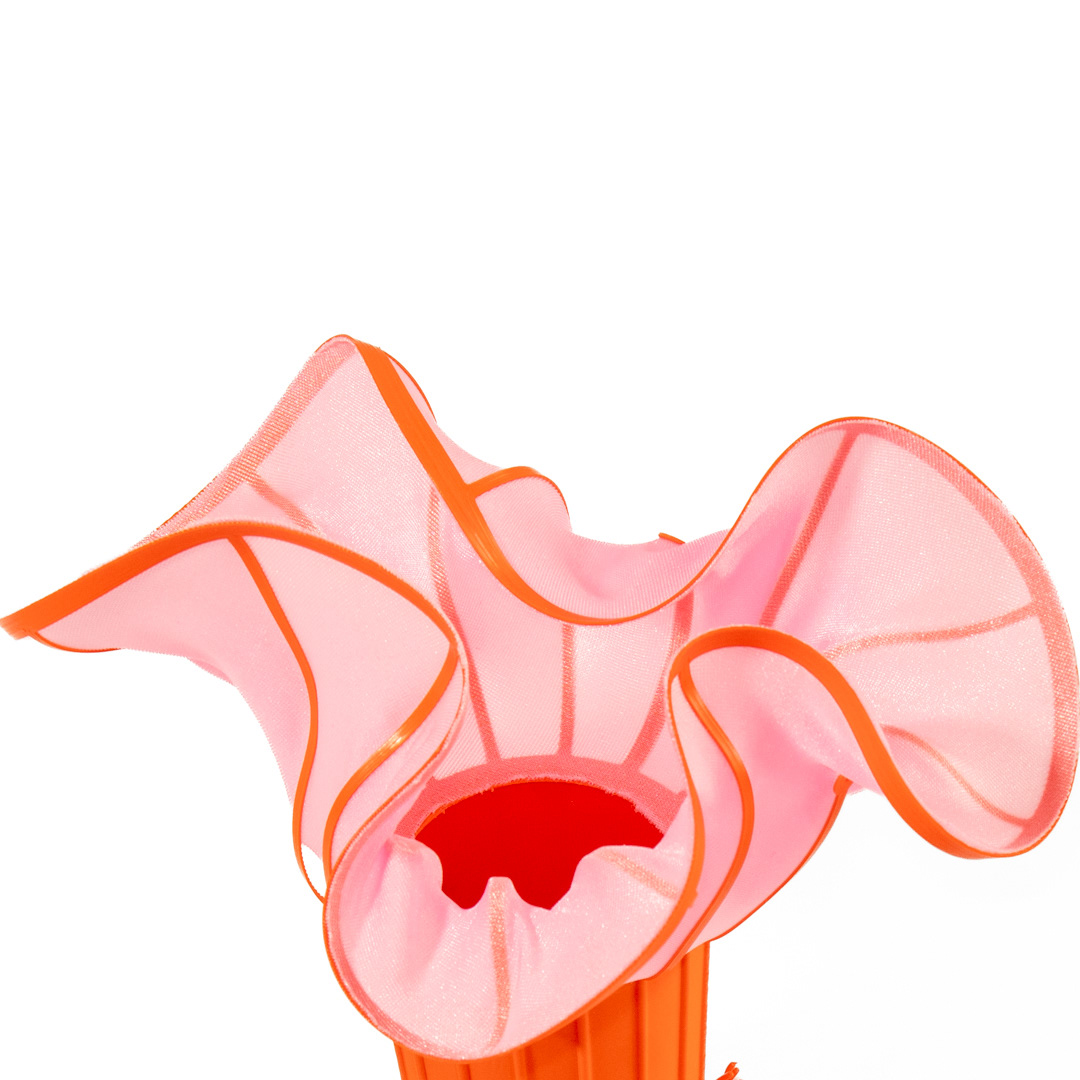
warping failure, before
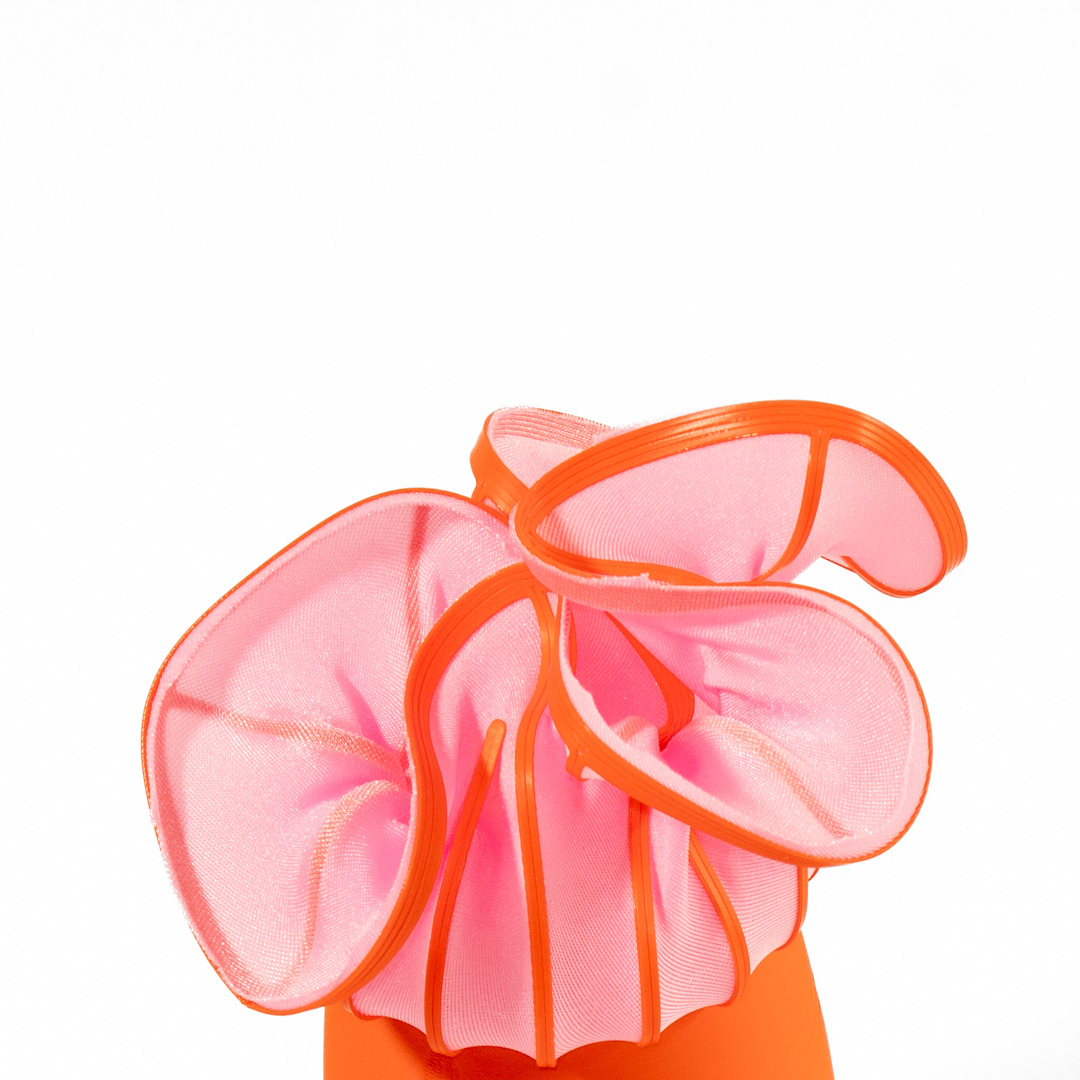
warping failure, after
adhesion failure
volume failure overwarping
This study started from published work rather than from scratch. Agata Kycia's and Amelia Henry's research on pre-stretched fabric, gave us both the method and our first patterns. Our earliest trials were reprints of theirs, run to understand how the patterns behaved before we began developing our own.
Thank you to both for publishing the work openly enough that others can build on it.